Asian Institute Of Advanced Surgeries

Plastic Surgery services In Nagpur
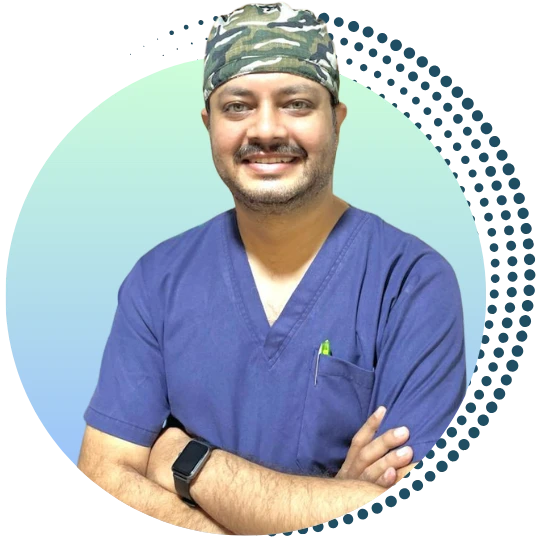
Welcome to the world of aesthetic transformation led by Dr. Siddharth Mendiratta. With a profound passion for the art and science of plastic surgery, Dr Siddharth Mendiratta is dedicated to helping individuals achieve their unique vision of beauty and confidence.

Understanding Plastic Surgery Services In Nagpur
At Asian Institute of Advanced Surgeries (AIAS), Dr. Siddharth Mendiratta first understands the patient’s concerns and treatment goals. He then examines the affected area and surrounding tissues before discussing suitable options. Depending on the condition, plastic surgery may help address:
• Facial appearance and structural concerns
• Breast size, shape, or position
• Excess skin and changes in body contours
• Scars and tight scar tissue
• Burn-related skin and tissue damage
• Injuries caused by accidents or trauma
• Significant tissue loss
• Selected hand and soft-tissue conditions
• Congenital or acquired physical differences
The recommended procedure depends on the patient’s anatomy, tissue condition, overall health, and desired outcome. Dr. Siddharth Mendiratta uses these factors to develop a treatment plan suited to the individual’s specific needs.
Facial Enhancement Treatment In Nagpur
Every face has its own shape, proportions, and defining features. However, ageing, injuries, previous surgery, or natural differences may sometimes affect facial appearance and personal confidence.
Facial plastic surgery can address selected concerns involving the nose, eyelids, cheeks, chin, jawline, and other facial areas. At Asian Institute of Advanced Surgeries (AIAS), Dr. Siddharth Mendiratta examines the specific area while also considering its relationship with the rest of the face. Based on your anatomy and treatment goals, he discusses suitable surgical options and explains what you can realistically expect. By assessing the face as a whole, Dr. Siddharth Mendiratta can plan treatment with facial proportions, symmetry, and overall balance in mind.
Breast Plastic Surgery Services In Nagpur
Breast appearance can change over time due to ageing, pregnancy, weight fluctuations, genetics, or natural development. As a result, some patients may feel concerned about breast size, shape, position, or differences between the two breasts.
Selected breast procedures can address these concerns and help create a more proportionate appearance. The suitable approach depends on your anatomy, existing breast tissue, skin quality, and personal goals.
As part of the initial evaluation , Dr. Siddharth Mendiratta evaluates your breast structure and discusses the available treatment options. He also explains the expected changes, recovery process, possible risks, and limitations. This helps you understand the procedure clearly and make an informed decision about your treatment.
Excess Skin Removal Surgery In Nagpur
Significant weight loss, pregnancy, ageing, and natural body changes can sometimes leave excess skin or affect the shape of certain body areas. These changes may make it difficult to achieve the body contour you want, even with regular exercise and a healthy lifestyle.
Body contouring surgery can address selected areas with loose skin or unwanted tissue. Depending on your needs, treatment may involve the abdomen, arms, thighs, chest, or other suitable areas. The procedure aims to create a more defined and balanced body contour while considering your existing proportions.
Before recommending surgery, Dr. Siddharth Mendiratta assesses your skin elasticity, tissue distribution, body shape, overall health, and treatment goals. He then explains the suitable options, expected results, recovery requirements, and possible risks so you can make an informed decision.
Chest Contouring For Men In Nagpur
Gynecomastia causes an increase in male breast tissue and can affect one or both sides of the chest. As a result, some men may feel uncomfortable with their chest appearance or avoid certain clothing and activities.
Gynecomastia surgery can reduce excess glandular tissue, fat, or loose skin when these changes affect the chest contour. The appropriate approach depends on the underlying cause, amount of tissue present, skin condition, and overall chest shape.
At your first appointment , Dr. Siddharth Mendiratta examines the chest and evaluates the tissue distribution before recommending treatment. He then explains the suitable surgical approach, expected changes, recovery period, and possible risks. This personalized planning helps create a treatment strategy that matches the patient’s anatomy and individual goals.
Scar Revision For Plastic Surgery Services In Nagpur
Scars can develop after accidents, burns, infections, or previous surgical procedures. While many scars gradually become less noticeable, some may remain raised, wide, uneven, or tight after healing. In certain cases, scar tissue can also restrict movement or affect the appearance of the surrounding area.
Scar revision treatment can improve the appearance of selected scars and, when appropriate, release tight scar tissue that affects movement. The treatment approach depends on the scar’s characteristics and the condition of the surrounding skin.
At the initial consultation , Dr. Siddharth Mendiratta examines the scar’s type, size, location, texture, and surrounding tissue. He then discusses suitable treatment options based on your specific concern. The plan may focus on improving scar appearance, restoring movement, or addressing both concerns when required.
Reconstructive Plastic Surgery Services In Nagpur
Reconstructive surgery helps repair or restore tissue affected by injuries, burns, previous surgeries, congenital conditions, or complex wounds. The treatment can focus on improving tissue coverage, supporting function, or addressing changes in appearance caused by tissue damage.
Depending on the condition, reconstructive treatment may include:
• Skin grafting
• Flap reconstruction
• Scar revision
• Tissue repair
• Wound reconstruction
• Soft-tissue restoration
Dr. Siddharth Mendiratta evaluates the affected area, tissue condition, extent of damage, and overall health before selecting a suitable reconstructive approach. He also considers the patient’s functional and aesthetic needs while planning treatment. This individualized approach helps determine the most appropriate technique for each case.
Personalized Plastic Surgery Planning For Plastic Surgery Services In Nagpur
No two patients have the same anatomy, concerns, or expectations. For this reason, plastic surgery requires an individualized approach rather than a fixed treatment plan. A detailed evaluation allows the surgeon to understand your needs and decide whether a particular procedure may suit you. Dr. Siddharth Mendiratta considers several factors while planning your treatment:
• Your main concern and treatment goals
• Medical and treatment history
• Previous surgeries or procedures
• Skin and tissue quality
• Overall health
• Desired aesthetic or functional result
• Expected recovery time
• Possible risks and limitations
After reviewing these factors, Dr. Siddharth Mendiratta discusses suitable treatment options with you. The recommended approach can vary according to the treatment area, tissue condition, and type of procedure. He also explains the expected outcome and recovery requirements, helping you make a clear and informed decision about your surgery.
Recovery After Plastic Surgery For Plastic Surgery Services In Nagpur
Your recovery time can vary depending on the procedure, treatment area, extent of surgery, and how your body heals. Smaller procedures may involve less downtime, whereas complex reconstructive surgery can require longer healing and closer wound care.
After surgery, Dr. Siddharth Mendiratta provides care instructions based on your procedure and recovery needs. These may include:
• Caring for the surgical wound and changing dressings
• Taking prescribed medicines as directed
• Limiting strenuous activities during early recovery
• Protecting the treated area from pressure or injury
• Attending scheduled follow-up appointments
• Reporting unusual or worsening symptoms promptly
At follow-up visits, Dr. Siddharth Mendiratta checks the surgical area and tracks your healing progress. He can also adjust your care plan when required. Following the recommended instructions and allowing enough time for recovery can help support proper healing and a comfortable return to your routine.
Helping Support Recovery After Plastic Surgery In Nagpur
Good aftercare plays an important role in protecting the treated area and supporting proper healing. Your recovery plan may include:
• Keeping the surgical site clean and protected
• Changing dressings according to medical advice
• Taking prescribed medicines as directed
• Protecting the area from pressure or accidental injury
• Avoiding strenuous activities during early recovery
• Returning to normal activities gradually
• Attending planned follow-up appointments
Following your surgeon’s instructions can help you recover safely and reduce avoidable complications. If you experience increasing pain, swelling, redness, unusual discharge, fever, wound opening, or other unexpected changes, inform your medical team without delay.
Individualized Surgical Planning For Plastic Surgery Services In Nagpur
Every plastic surgery procedure should begin with a clear understanding of your needs. Before suggesting treatment, Dr. Siddharth Mendiratta reviews your condition, medical background, and desired outcome. His assessment includes:
• Your primary concern
• Skin and tissue quality
• Location and extent of the condition
• Previous surgeries or treatments
• Overall health and medical history
• Desired aesthetic or functional result
• Expected recovery and downtime
• Possible risks and treatment limitations
After reviewing these factors, Dr. Siddharth Mendiratta determines whether surgery is appropriate for you. He then explains the available options and creates a treatment plan based on your individual requirements, anatomy, and goals.
Why Choose Plastic Surgery Services In Nagpur?
Choosing plastic surgery requires thoughtful planning and realistic expectations. Your treatment plan should reflect your anatomy, tissue condition, medical history, desired outcome, and ability to recover. Therefore, a detailed assessment can help determine the most suitable approach for your individual needs. At Asian Institute of Advanced Surgeries (AIAS), Dr. Siddharth Mendiratta takes a personalized approach to plastic, cosmetic, and reconstructive surgery. He first understands your concerns and then evaluates the area requiring treatment. Based on his assessment, he discusses appropriate procedures along with the expected results, recovery requirements, possible risks, and limitations.
Reconstructive surgery often requires additional consideration because damaged tissue may need both coverage and restoration. This applies to patients with burn injuries, traumatic wounds, complex scars, tissue loss, or other soft-tissue problems. By balancing functional needs with appearance, Dr. Siddharth Mendiratta develops a treatment strategy focused on suitable healing, tissue restoration, and your individual goals.
Frequently Asked Questions (FAQ) For Plastic Surgery Services In Nagpur
1. Which concerns can plastic surgery address?
Plastic surgery can address selected cosmetic and reconstructive concerns involving the face, breasts, body contours, scars, burns, wounds, tissue loss, and hands.
2. How does the surgeon decide which procedure I need?
Dr. Siddharth Mendiratta reviews your concern, anatomy, tissue condition, medical history, expectations, and overall health before suggesting suitable options.
3. Can plastic surgery improve both appearance and function?
Yes. Depending on the condition, reconstructive surgery may aim to restore tissue coverage, improve movement, address scarring, or enhance appearance.
4. Is plastic surgery suitable after an injury?
Selected injuries may benefit from reconstructive plastic surgery, particularly when they cause tissue loss, significant scarring, or changes in function.