Asian Institute Of Advanced Surgeries

Welcome to the world of aesthetic transformation led by Dr. Siddharth Mendiratta. With a profound passion for the art and science of plastic surgery, Dr Siddharth Mendiratta is dedicated to helping individuals achieve their unique vision of beauty and confidence.
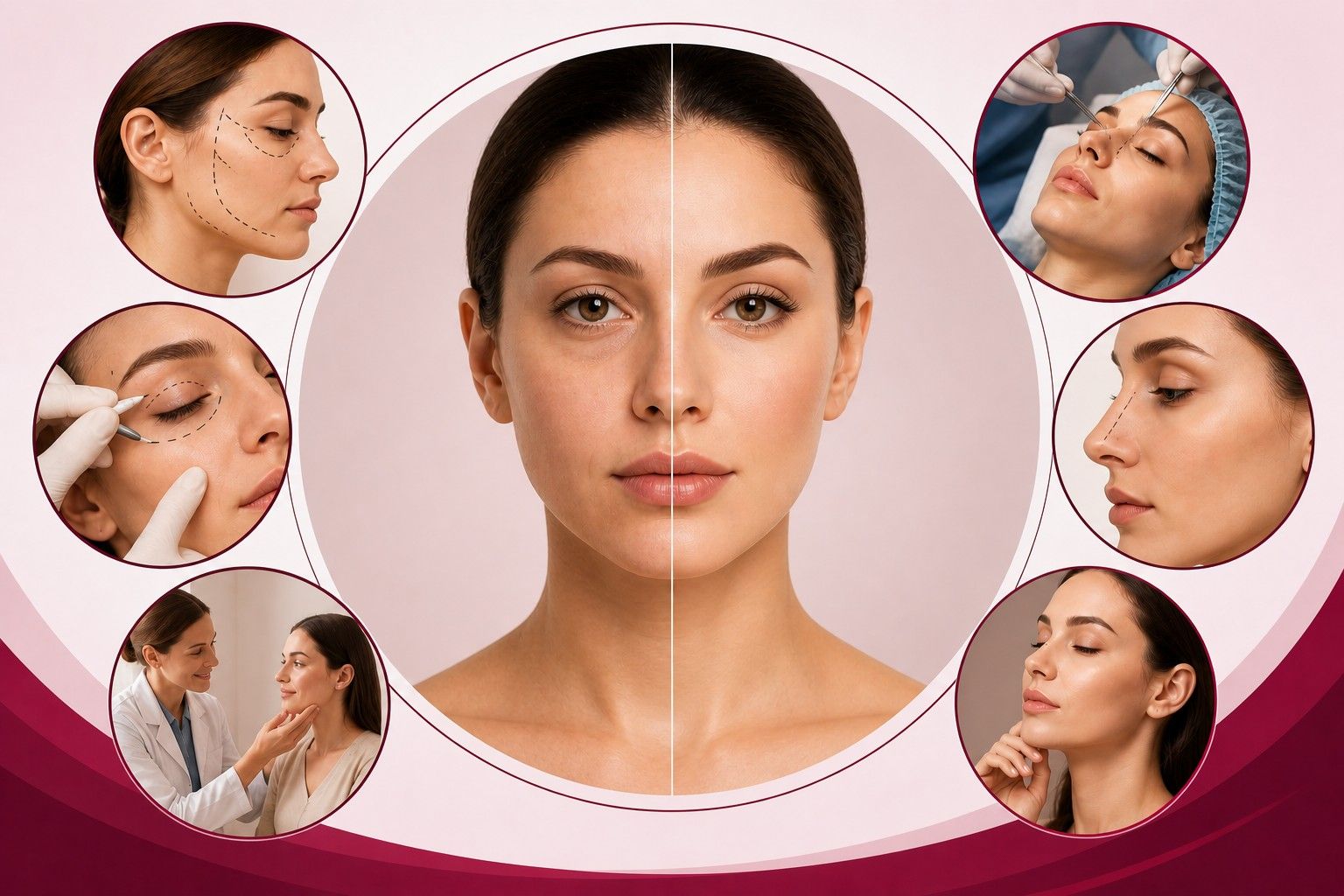
What Can Plastic Surgery Address?
Plastic surgery can address both cosmetic and reconstructive concerns. Depending on your needs, Dr. Siddharth Mendiratta may discuss options such as:
• Facial Features: Refine selected concerns involving the nose, eyelids, chin, cheeks, or facial contours.
• Ageing Changes: Address wrinkles, sagging, skin laxity, or volume loss.
• Scars: Improve the appearance or texture of suitable scars.
• Injuries & Burns: Restore selected damaged skin and soft tissues.
• Post-Surgical Changes: Address certain changes after previous surgery.
• Body Contours: Improve selected concerns involving excess skin or body shape.
Therefore, treatment is planned according to your anatomy, concerns, expectations, and realistic outcomes.
Facial Cosmetic Procedures For Plastic Surgery In Nagpur
A facial cosmetic procedure does not always mean making a major change. Sometimes, a small adjustment to one feature can improve the overall balance of your face.
During consultation, Dr. Siddharth Mendiratta considers:
• Facial proportions and symmetry
• Skin and soft-tissue quality
• Overall facial contours
• The feature you want to improve
• Your preferred level of change
As a result, your treatment plan is tailored to your natural features and goals. The focus is on creating a balanced improvement rather than an artificial or unfamiliar appearance.
Cosmetic and Reconstructive Plastic Surgery
Plastic surgery can address both appearance and function. While some people want to refine a particular feature, others may need reconstruction after an injury, burn, medical condition, or previous surgery.
1. Cosmetic Plastic Surgery
Cosmetic procedures can address concerns such as nose shape, facial balance, ageing-related changes, or other specific features. Dr. Siddharth Mendiratta considers your natural anatomy, concerns, and goals before recommending a suitable approach.
2. Reconstructive Plastic Surgery
Reconstructive procedures can help restore areas affected by injuries, burns, disease, congenital conditions, or previous surgery. Depending on the condition, treatment may focus on improving appearance, restoring function, or addressing both. The approach depends on the affected tissue, surrounding structures, and your individual needs.
Facial Plastic Surgery In Nagpur
At Asian Institute of Advanced Surgeries (AIAS), Dr. Siddharth Mendiratta considers your facial proportions, contours, skin quality, and overall appearance before suggesting treatment.
Depending on your concern, options may include:
• Rhinoplasty: Refines selected concerns with nose shape or proportion.
• Eyelid Surgery: Addresses selected excess skin or tissue around the eyes.
• Facial Fat Grafting: Restores volume in suitable areas.
• Chin Enhancement: Improves selected aspects of facial balance.
• Scar Revision: Improves certain noticeable or restrictive scars.
• Facial Rejuvenation: Addresses selected signs of facial ageing.
However, not every procedure suits every patient. A consultation helps determine which option is appropriate for your facial features, concerns, and expectations.
Facial Ageing For Plastic Surgery In Nagpur
Ageing gradually changes the face, so you may notice fine lines, deeper folds, reduced skin firmness, cheek or jawline sagging, or loss of facial volume. However, these changes do not always mean you need surgery.
Depending on the degree of ageing and your goals, different treatment options may be considered. For example, facial fat grafting may help restore volume in selected areas, while eyelid surgery may address certain changes around the eyes. Similarly, surgical facial rejuvenation may be considered when more noticeable skin laxity or contour changes develop.
Ultimately, the right option depends on your facial structure, skin condition, degree of ageing, and the type of improvement you want to achieve.
Scar Revision and Reconstruction For Plastic Surgery In Nagpur
A scar can remain noticeable even after an injury or surgery has completely healed. Over time, some scars may become raised, depressed, wide, uneven, or tight, and in certain cases, they may also restrict movement.
Depending on the scar, scar revision may help improve its appearance, texture, or flexibility. The suitable technique depends on factors such as the scar’s location, size, depth, texture, and how it developed.
At Asian Institute of Advanced Surgeries (AIAS), Dr. Siddharth Mendiratta carefully examines the scar and surrounding tissue. Based on this assessment, he discusses whether treatment may provide meaningful improvement and explains what you can realistically expect.
Reconstructive Surgery After Injury or Burns For Plastic Surgery In Nagpur
An accident or burn can affect more than the skin’s surface. In some cases, tissue damage may change an area’s shape, create tight scars, or limit movement.
Reconstructive surgery may help address selected concerns caused by:
• Burn injuries
• Accidental trauma
• Facial injuries
• Soft-tissue loss
• Restrictive scars
• Previous surgery
However, the treatment approach depends on the extent of damage, scar characteristics, and condition of the surrounding tissues. Therefore, Dr. Siddharth Mendiratta evaluates each case individually and plans treatment around the patient’s needs. The goal is to achieve meaningful improvement in appearance, structure, and function wherever reasonably possible.
How Dr. Siddharth Mendiratta Plans Your Treatment ?
A good treatment plan begins with understanding what matters to you. During your consultation, Dr. Siddharth Mendiratta listens to your concerns and what you would like to improve.
He then considers:
• Facial or body structure
• Skin and soft-tissue quality
• Proportions and contours
• Location and severity of the concern
• Previous injuries or procedures
• General health
• Expectations and treatment goals
After this assessment, he discusses suitable options and explains the expected results, recovery, limitations, and potential risks. This helps you choose a treatment approach that fits your individual needs.
Why Individual Planning Matters For Plastic Surgery In Nagpur
Two people may have a similar concern but still require different treatment approaches. This is because their skin quality, tissue structure, facial proportions, healing response, and expectations can vary.
At Asian Institute of Advanced Surgeries (AIAS), treatment planning therefore starts with understanding the individual rather than choosing a procedure first. Dr. Siddharth Mendiratta assesses your specific concern and considers which approach may be suitable for your features and goals.
As a result, you receive a treatment plan based on your individual needs rather than a standard template. At the same time, realistic expectations remain an important part of the process. Plastic surgery can provide meaningful improvement, but every procedure has its own limitations, recovery requirements, and potential risks.
What to Expect During Your Consultation ?
Your first consultation is an opportunity to have an open conversation about your concern. You can explain what you dislike, what you would like to improve, and what result you hope to achieve.
Dr. Siddharth Mendiratta can then discuss:
• Whether surgery may be suitable
• Which treatment options may be considered
• What improvement may realistically be possible
• How the procedure is generally performed
• Expected recovery
• Possible risks and complications
• Available alternatives
You do not have to make a decision simply because you attend a consultation. Understanding your options first can help you make a more informed choice.
Recovery After Plastic Surgery For Plastic Surgery In Nagpur
Recovery after plastic surgery varies depending on the procedure and the area treated. Generally, a smaller procedure may involve a shorter recovery, while more extensive surgery may require additional healing time.
During the early recovery period, you may experience temporary swelling, bruising, tenderness, tightness, or changes in sensation. However, these effects can vary from person to person and usually improve as healing progresses.
After your procedure, Dr. Siddharth Mendiratta will provide personalized instructions based on your treatment. These may include wound care, activity restrictions, follow-up visits, and other steps to support a smooth recovery. Therefore, following your post-operative instructions carefully can help you recover safely and comfortably.
Why Choose Dr.Siddharth Mendiratta AIAS for Plastic Surgery in Nagpur?
At Asian Institute of Advanced Surgeries (AIAS), plastic surgery begins with understanding your concern, expectations, and desired outcome. Dr. Siddharth Mendiratta assesses your facial or body structure, skin condition, previous treatments, and overall needs before recommending suitable options.
Treatment may include:
• Facial Cosmetic Surgery
• Rhinoplasty
• Eyelid Surgery
• Facial Rejuvenation
• Scar Revision
• Facial Fat Grafting
• Reconstructive Surgery
The focus is on personalized treatment, realistic expectations, and natural-looking improvement based on your individual needs.
Frequently Asked Questions (FAQ)
1. What does plastic surgery include?
Plastic surgery includes both cosmetic and reconstructive procedures. It can address selected facial features, scars, body contours, injuries, burns, tissue loss, and changes after surgery.
2. What is the difference between cosmetic and reconstructive plastic surgery?
Cosmetic surgery focuses mainly on improving selected aspects of appearance. Reconstructive surgery aims to restore areas affected by injury, burns, disease, congenital conditions, or previous surgery.
3. Can plastic surgery improve facial features?
Yes. Selected procedures can address concerns involving the nose, eyelids, cheeks, chin, lips, and facial contours.
4. Can plastic surgery treat facial scars?
Selected scars may benefit from scar revision. The appropriate approach depends on the scar’s size, location, depth, texture, and surrounding skin.
5. Can plastic surgery help with facial ageing?
Depending on the type and degree of ageing, selected procedures may address wrinkles, volume loss, loose skin, eyelid changes, or altered facial contours.