
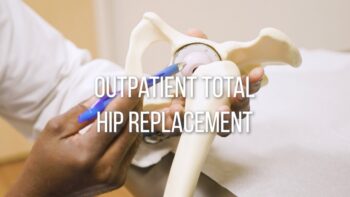
Outpatient Hip Replacement – Complete Guide to Same-Day Hip Replacement Surgery
Outpatient hip replacement, also known as same-day hip replacement surgery, is an advanced surgical approach By Dr. Abhishek Bhalotia, practicing at Asian Institute Of Advanced Surgeries, that allows eligible patients to undergo hip replacement and return home on the same day of the procedure. Consequently, this modern treatment option offers improved recovery pathways, shorter hospital stays, and enhanced patient comfort.
Hip pain can significantly affect mobility, independence, and overall quality of life. Simple activities such as walking, standing, climbing stairs, bending, or sitting may become difficult when the hip joint becomes damaged. Therefore, modern orthopaedic care focuses not only on relieving pain but also on helping patients return to their normal routine as quickly as possible.
At Asian Institute Of Advanced Surgeries, experienced orthopaedic surgeon Dr. Abhishek Bhalotia provides advanced treatment for hip joint conditions using modern orthopaedic techniques. Through careful surgical planning, advanced implants, and personalized rehabilitation programs, patients can experience improved mobility and long-term joint function.
Understanding the Hip Joint and Its Role in Mobility
The hip joint is one of the largest and most important joints in the human body. Structurally, it functions as a ball-and-socket joint. The round head of the thigh bone (femur) fits into the socket of the pelvis, forming a stable connection that allows a wide range of motion.
Smooth cartilage covers the surfaces of the joint. As a result, the bones can glide smoothly against each other during movement. Additionally, surrounding muscles, ligaments, and tendons support the joint and maintain stability.
However, several medical conditions may gradually damage this joint structure. Consequently, the cartilage may wear away, which causes bones to rub together. When this occurs, patients often experience:
- Persistent hip pain
- Joint stiffness
- Reduced mobility
- Difficulty walking or climbing stairs
- Limited range of motion
Therefore, when conservative treatments no longer provide relief, hip replacement surgery may become an effective solution.
What Is Outpatient Hip Replacement?
Outpatient hip replacement is a surgical procedure in which a damaged hip joint is replaced with artificial implants. Unlike traditional hip replacement surgery that requires several days of hospitalization, outpatient surgery allows patients to return home on the same day.
Advancements in surgical techniques, anesthesia, pain management, and rehabilitation protocols have made this approach possible. Consequently, many patients can recover safely and comfortably in their home environment.
The procedure generally involves replacing the damaged joint components with artificial implants designed to replicate natural hip movement. As a result, patients may experience significant pain relief and improved mobility.
How Outpatient Hip Replacement Differs From Traditional Hip Replacement ?
Traditional hip replacement surgery typically required several days of hospital observation and recovery. However, modern surgical advancements have transformed the treatment process.
Outpatient hip replacement focuses on:
- Smaller surgical incisions
- Advanced pain management protocols
- Early mobilization after surgery
- Personalized recovery programs
- Same-day hospital discharge for eligible patients
Therefore, this approach may provide a more convenient recovery experience for selected patients.
Conditions That May Require Hip Replacement
Several medical conditions may lead to severe hip joint damage. In many cases, conservative treatments such as physiotherapy, medication, or lifestyle changes are recommended initially. However, when these treatments no longer provide adequate relief, hip replacement surgery may be considered.
Common conditions include:
Hip Osteoarthritis
Osteoarthritis is one of the most common causes of hip joint damage. Over time, the cartilage that cushions the joint gradually wears away. Consequently, the bones begin to rub against each other, which causes pain and stiffness.
Rheumatoid Arthritis
Rheumatoid arthritis is an autoimmune condition that causes inflammation in the joints. As a result, the hip joint may become swollen, painful, and progressively damaged.
Hip Fractures
Severe fractures involving the hip joint can damage the bone structure and cartilage. Therefore, hip replacement surgery may be required to restore joint function.
Avascular Necrosis
Avascular necrosis occurs when blood supply to the femoral head becomes restricted. Consequently, bone tissue may collapse, leading to joint damage and severe pain.
Hip Joint Degeneration
Long-term joint wear, previous injuries, or developmental abnormalities can gradually damage the hip joint. Therefore, replacement surgery may help restore mobility and reduce discomfort.
Who Is a Suitable Candidate for Outpatient Hip Replacement?
Not every patient is an ideal candidate for same-day surgery. Therefore, surgeons perform detailed evaluations before recommending outpatient hip replacement.
Patients who may be considered suitable candidates often meet the following criteria:
- Overall good health condition
- Absence of serious medical complications
- Ability to participate in early rehabilitation
- Availability of support at home during recovery
- Stable cardiovascular and respiratory health
Consequently, careful patient selection ensures safety and improves surgical outcomes.
The Outpatient Hip Replacement Procedure
Outpatient hip replacement follows several carefully planned stages. Each stage focuses on ensuring patient safety and successful recovery.
Pre-operative Evaluation
Before surgery, the orthopaedic surgeon performs a detailed medical assessment. This evaluation may include:
- Physical examination
- Imaging tests such as X-rays or MRI scans
- Blood tests and medical history review
Therefore, the surgeon can accurately assess joint damage and plan the surgical procedure.
Surgical Procedure
During the surgery:
- An incision is made near the hip joint.
- Damaged cartilage and bone are carefully removed.
- Artificial implants are inserted to replace the ball and socket.
- The implants are positioned precisely to restore natural joint movement.
Modern surgical techniques often focus on minimal tissue disruption. As a result, patients may experience reduced postoperative discomfort.
Post-Surgery Recovery
After the surgery, patients are monitored for several hours. During this time, medical staff ensure that the patient can walk with assistance and manage pain effectively.
Consequently, many patients can safely return home later the same day.
Advantages of Outpatient Hip Replacement
Outpatient hip replacement offers several benefits for eligible patients.
Shorter Hospital Stay
Because patients return home on the same day, hospital stays are significantly reduced.
Faster Rehabilitation
Early movement after surgery supports faster recovery and improved joint function.
Reduced Hospital-Related Risks
Shorter hospital stays may reduce the risk of hospital-acquired infections.
Comfortable Home Recovery
Patients often prefer recovering in a familiar environment.
Improved Patient Satisfaction
Carefully planned outpatient procedures often lead to positive patient experiences.
Recovery and Rehabilitation After Outpatient Hip Replacement
Recovery plays an important role in achieving successful surgical outcomes. Therefore, patients usually follow structured rehabilitation programs.
Early Movement
Patients are encouraged to begin gentle movement shortly after surgery. Early walking with support helps stimulate circulation and reduce stiffness.
Physiotherapy
Guided physiotherapy exercises help strengthen the muscles surrounding the hip joint. Consequently, these exercises improve stability and flexibility.
Gradual Return to Activities
Patients gradually return to normal daily activities over time. However, heavy physical activities may be restricted during the initial recovery period.
Follow-Up Appointments
Regular follow-up visits allow the surgeon to monitor healing progress and implant stability.
Lifestyle Changes After Hip Replacement Surgery
Patients may adopt several lifestyle changes after surgery to maintain joint health.
Maintain a Healthy Weight
Excess weight may place additional pressure on the hip joint.
Engage in Regular Exercise
Low-impact activities such as walking or swimming help strengthen muscles.
Avoid High-Impact Activities
High-impact sports may increase stress on the artificial joint.
Follow Rehabilitation Programs
Physiotherapy remains an essential part of long-term recovery.
Long-Term Success of Hip Replacement Surgery
Modern hip implants are designed for durability and long-term performance. Many implants may last 15–20 years or longer depending on patient activity levels and overall health.
Therefore, maintaining healthy habits and following medical advice helps ensure long-lasting joint function.
Why Choose Advanced Hip Replacement Treatment in Nagpur ?
Patients seeking advanced orthopaedic treatment may benefit from specialized medical care and modern surgical techniques.
At Asian Institute Of Advanced Surgeries, Dr. Abhishek Bhalotia focuses on advanced joint replacement procedures and patient-centered care.
The institute offers:
- Modern orthopaedic technology
- Advanced surgical planning
- Personalized treatment approaches
- Structured rehabilitation programs
- Comprehensive joint care services
Consequently, patients receive treatment designed to improve mobility and overall quality of life.
Frequently Asked Questions (FAQs)
What is outpatient hip replacement surgery?
Outpatient hip replacement is a surgical procedure in which the damaged hip joint is replaced and the patient returns home on the same day without an overnight hospital stay.
How long does outpatient hip replacement surgery take?
The surgical procedure usually takes approximately one to two hours. However, the overall stay at the surgical center may vary depending on recovery progress.
Is outpatient hip replacement safe?
Yes. When performed on carefully selected patients by experienced orthopaedic surgeons, outpatient hip replacement can be a safe and effective treatment option.
How soon can I walk after hip replacement surgery?
Many patients begin walking with assistance on the same day or the next day after surgery. Gradual improvement occurs with physiotherapy and rehabilitation.
How long does full recovery take?
Recovery time varies depending on individual health and rehabilitation progress. Many patients resume normal activities within several weeks, while full recovery may take a few months.
Book Appointment with Dr. Abhishek Bhalotia at AIAS
If you are experiencing joint discomfort, restricted movement, or any musculoskeletal concerns, scheduling a consultation with Dr. Abhishek Bhalotia, MS Ortho, Fellow Joint Replacement (Hyd, UK), Robotic Joint Replacement Surgeon, can help you better understand your condition and explore appropriate care options. Early evaluation often helps patients address symptoms before they begin to interfere with everyday activities and mobility.
Consultations are available at Asian Institute of Advanced Surgeries (AIAS) in Nagpur, where patients receive a structured orthopaedic assessment focused on identifying factors affecting bone, joint, and movement health. During the visit, individuals can discuss their symptoms, medical history, lifestyle habits, and physical activity levels with Dr. Abhishek Bhalotia, ensuring a comprehensive evaluation and guidance toward suitable treatment options for improved joint function and mobility.