Asian Institute Of Advanced Surgeries


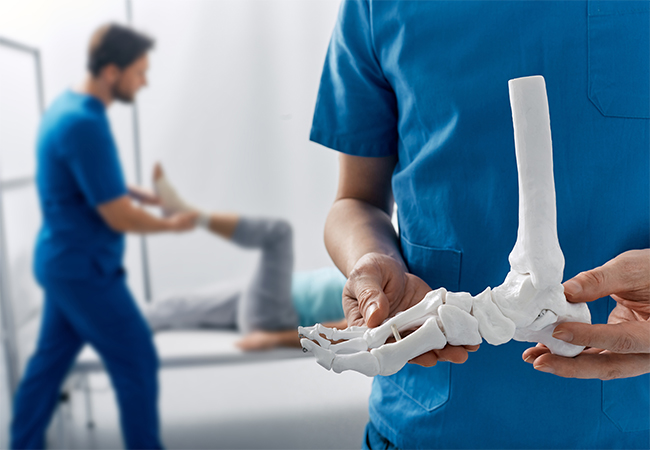
What Are Orthopaedic Physiotherapy Referrals?
The referral may include information about your diagnosis, treatment, surgery, pain level, movement limitations, and rehabilitation goals. Therefore, the physiotherapist can create exercises that match your current needs. In addition, regular communication between your orthopaedic specialist and physiotherapist can support safer and more effective recovery.
Who Can Benefit From Orthopaedic Physiotherapy?
Many patients need physiotherapy after bone and joint care. Moreover, your doctor may suggest therapy if you have pain, stiff joints, weak muscles, less movement, or trouble with daily tasks.
Physiotherapy can help people who are healing from:
Knee replacement surgery
Hip replacement surgery
Shoulder surgery
Keyhole joint surgery
ACL and ligament tears
Sports injuries
Bone breaks and other injuries
Back and neck pain
Arthritis and joint pain
Muscle and tendon injuries
Stiff joints
Poor balance and trouble walking
Therefore, early care from a trained therapist can help you heal well. In addition, a good care plan can help you move better, build strength, and return to daily tasks.
Why Physiotherapy Matters After Orthopaedic Treatment
Orthopaedic care can treat the main cause of a bone or joint problem. Physiotherapy helps you move and use the body part better. Moreover, simple exercises can improve joint movement, muscle strength, balance, and body control.
After surgery or an injury, you may avoid some moves because of pain or weak muscles. However, too much rest can make your muscles weaker and make movement harder. Therefore, a physiotherapist can start with easy exercises and slowly increase them as you get stronger.
In addition, physiotherapy can help you get back to your daily tasks. Your care plan may include stretching, muscle exercises, joint movement, balance work, posture work, and simple daily movements.
Our Orthopaedic Physiotherapy Referral Approach
The main issue is repetition of transition words and slightly repetitive sentence structure. Here is a smoother, more natural version:
We assess your individual condition before recommending physiotherapy support. Moreover, an orthopaedic evaluation helps identify your pain level, movement limitations, treatment history, and recovery goals.
Based on your clinical needs, we can recommend suitable physiotherapy care. In addition, your physiotherapist can modify exercises as your strength, flexibility, and mobility improve.
We encourage you to follow your rehabilitation plan regularly. However, avoid exercises that cause severe pain or discomfort without professional guidance. As a result, regular follow-ups can help track your progress and support a safe recovery.
Physiotherapy After Joint Replacement
Joint replacement can improve mobility and reduce pain, but rehabilitation plays an important role in recovery. Moreover, physiotherapy can help you regain muscle strength and improve joint movement after surgery.
Your physiotherapist may recommend gradual walking, strengthening exercises, flexibility work, balance training, and functional activities. Therefore, you can steadily work toward independent movement and everyday activities.
In addition, your orthopaedic specialist can monitor your progress during follow-up visits. This coordinated approach can help identify concerns early and keep your recovery on track.
Physiotherapy After Fracture or Trauma
Orthopaedic Physiotherapy Referrals In Nagpur
The paragraph has too many transition words close together, which can make the content feel repetitive. Here is a smoother Yoast-friendly version:
Fractures can affect strength, flexibility, balance, and normal movement. Moreover, limited movement during recovery can lead to muscle weakness and joint stiffness. Once your orthopaedic specialist confirms proper healing, physiotherapy can help restore movement and improve function.
Your rehabilitation plan may include gentle mobility exercises, strengthening activities, balance training, and functional exercises. The physiotherapist can gradually increase exercise intensity as your strength and mobility improve.
Each fracture requires a personalised approach. Therefore, your doctor and physiotherapist can consider the injury location, treatment method, healing progress, and activity level before advancing your exercises.
Physiotherapy for Sports and Ligament Injuries
Orthopaedic Physiotherapy Referrals In Nagpur
Athletes and active individuals often need structured rehabilitation after ligament, muscle, or tendon injuries. Moreover, physiotherapy can help restore strength, flexibility, coordination, and movement control.
For conditions such as ACL injuries, your rehabilitation may involve progressive strengthening, balance exercises, movement training, and sport-specific activities. Therefore, a carefully planned programme can help you work toward a safe return to activity.
In addition, physiotherapy can help you improve movement patterns that may contribute to future injuries. However, your rehabilitation timeline should always match your injury and clinical progress.
Physiotherapy for Arthritis and Joint Pain
Arthritis can cause pain, stiffness, and difficulty with everyday movement. Moreover, regular physiotherapy can help maintain mobility and strengthen the muscles around affected joints.
A physiotherapist may recommend low-impact exercises, stretching, strengthening, mobility training, and activity modifications. Therefore, you can learn practical ways to manage movement difficulties while protecting your joints.
In addition, your orthopaedic specialist can assess whether physiotherapy remains appropriate or whether you need further evaluation. This approach helps keep your treatment focused on your individual needs.
What Happens During a Physiotherapy Referral?
Orthopaedic Physiotherapy Referrals In Nagpur
Your orthopaedic specialist first reviews your condition and treatment history. Moreover, the assessment helps identify your current movement and functional limitations.
If physiotherapy can support your recovery, the doctor can recommend a suitable rehabilitation plan. Therefore, the physiotherapist can evaluate your strength, flexibility, balance, mobility, and functional abilities.
Your physiotherapist then creates exercises according to your needs. In addition, the therapist can monitor your progress and modify the programme as you improve. However, you should communicate any unusual or severe pain during rehabilitation.
Benefits of Orthopaedic Physiotherapy Referrals in Nagpur
Orthopaedic Physiotherapy Referrals In Nagpur
Choosing both bone and joint care and physiotherapy can support your recovery. Moreover, expert help can show you what goals to follow and how to take each step of your recovery.
Key benefits include:
Personal care and exercise advice
Better joint movement
Stronger muscles
Easier daily movement
Better balance and body control
A slow and safe return to exercise
Care after bone and joint surgery
Help after bone breaks and injuries
Clear advice on home exercises
Regular checks on your progress
Therefore, the right referral can link your bone and joint care with the therapy you need to move better and get back to daily life.
Why Choose Orthopaedic Physiotherapy Referrals in Nagpur?
The right care can make your recovery easier. Moreover, patients in Nagpur can get bone, joint, and physiotherapy care based on their health needs and treatment plan.
We focus on clear talks, simple advice, and easy recovery goals. Therefore, we help you understand your care plan and how physiotherapy can help you get better.
In addition, we ask patients to do their exercises often and attend follow-up visits as advised. However, each person heals in a different way. Therefore, your care plan should match your needs and health.
When Should You Consider a Physiotherapy Referral?
You may need a physiotherapy referral if pain, stiffness, weakness, or limited movement affects your daily activities. Moreover, your doctor may recommend rehabilitation after surgery, fracture treatment, or an orthopaedic injury.
You should also seek professional assessment if you struggle with walking, climbing stairs, lifting objects, or performing routine movements. Therefore, early evaluation can help identify suitable rehabilitation options.
However, severe pain, sudden swelling, significant weakness, or a new injury may require an orthopaedic assessment before you begin exercises. In addition, follow your specialist’s advice before starting a new rehabilitation programme.