
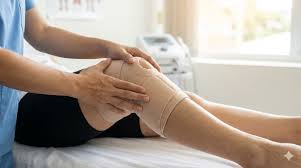
Orthopaedic Physiotherapy Referrals In Nagpur – Treatment by Dr. Siddharth Jain
Understanding Orthopaedic Physiotherapy Referrals In Nagpur
When patients search for orthopaedic physiotherapy referrals in Nagpur, they are usually looking for structured rehabilitation after an injury, surgery, or joint condition that affects mobility. Orthopaedic physiotherapy focuses on restoring movement, reducing pain, and improving function after musculoskeletal injuries or surgeries. At Asian Institute of Advanced Surgeries, patients receive careful medical evaluation to determine whether physiotherapy is needed as part of the treatment plan. Dr. Siddharth Jain emphasizes detailed assessment before recommending a referral, because coordinating clinical care with rehabilitation specialists ensures a more effective recovery.
What Is Orthopaedic Physiotherapy Referrals In Nagpur
Orthopaedic physiotherapy is a branch of rehabilitation that focuses on improving motion, strength, flexibility, balance, and functional movement in patients with bone, joint, muscle, or ligament problems. It includes targeted exercises, manual therapy, postural training, and movement re‑education designed to restore normal biomechanics. Many patients needing orthopaedic physiotherapy referrals in Nagpur present with conditions such as post‑surgery stiffness, ligament injuries, tendon irritation, or chronic joint discomfort. By tailoring therapy to the individual’s condition, physiotherapists help patients regain independence and reduce the risk of recurring problems.
Why Physiotherapy Is Important After Orthopaedic Treatment
Physiotherapy plays a crucial role in recovery after orthopaedic interventions. After surgery or injury, joint stiffness, muscle weakness, or reduced flexibility may limit functional movement. A proper physiotherapy plan helps restore strength in supporting muscles, improve coordination around the affected area, and increase the range of motion. Additionally, physiotherapy often helps reduce pain and swelling during the healing process. Therefore, when patients seek orthopaedic physiotherapy referrals in Nagpur, the goal is to enhance recovery and support long‑term joint health while reducing the risk of re‑injury.
Conditions That Commonly Need Physiotherapy Referrals
Patients requiring orthopaedic physiotherapy referrals in Nagpur often have conditions that involve limited mobility or functional loss. These may include ligament injuries in the knee or ankle, post‑fracture stiffness, joint replacement rehabilitation, tendonitis, or sports injuries. Additionally, conditions such as osteoarthritis or chronic joint pain may also benefit from a structured physiotherapy plan. When Dr. Siddharth Jain evaluates these conditions at Asian Institute of Advanced Surgeries, the decision to refer for physiotherapy is based on the patient’s functional limitations and recovery goals.
Symptoms That Indicate the Need for Physiotherapy
Certain symptoms suggest that physiotherapy may be necessary as part of orthopaedic care. Persistent pain that limits movement, noticeable weakness in a limb, difficulty walking or performing daily tasks, and restricted range of motion are common indicators. Additionally, stiffness after surgery or prolonged immobilization often requires therapeutic exercises to improve flexibility and strength. Therefore, appropriate referrals for orthopaedic physiotherapy in Nagpur help patients address these functional symptoms and work toward a smoother recovery.
How Orthopaedic Physiotherapy Referrals Are Determined
Physiotherapy referrals usually follow a detailed clinical evaluation. During consultation, Dr. Siddharth Jain reviews the patient’s medical history, current symptoms, level of functional impairment, and goals for recovery. Physical examination assesses joint mobility, muscle strength, and movement patterns that may affect rehabilitation needs. In some cases, imaging studies that visualize bone or soft tissue structures support this evaluation. Based on these findings, a referral for physiotherapy is recommended when it is expected to improve movement and support recovery.
Benefits of Early Physiotherapy Intervention
Early involvement of physiotherapy after injury or surgery yields several advantages. Initiating rehabilitation soon helps prevent joint stiffness, maintain muscle strength, and improve circulation around the affected area. It also helps patients learn safe movement strategies to avoid compensatory patterns that could lead to secondary injuries. Many individuals with orthopaedic physiotherapy referrals in Nagpur experience faster functional improvement and more confidence during daily tasks. Early intervention also allows therapists to monitor progress and adjust the program based on healing and patient response.
What to Expect During Physiotherapy Sessions
Physiotherapy sessions typically begin with an individual assessment to understand movement limitations and pain triggers. Based on these findings, therapists design a personalized exercise plan that focuses on improving flexibility, strength, balance, and coordination. Manual therapy, stretching, and therapeutic exercises help restore normal biomechanics. Therapy may also include education on posture, movement patterns, and activity modification to support recovery. For patients referred for orthopaedic physiotherapy in Nagpur, consistent participation helps accelerate progress toward mobility goals.
Role of Patient Education in Physiotherapy
Patient education is an important component of successful rehabilitation. Understanding how movement patterns, posture, and daily habits influence recovery empowers individuals to take an active role in the process. Physiotherapists often provide guidance on joint protection, safe movement techniques, and exercises that can be performed at home. This education complements in‑clinic therapy and helps patients maintain progress between sessions. Effective communication between Dr. Siddharth Jain and physiotherapists ensures that the rehabilitation plan aligns with overall orthopaedic care goals.
Coordination Between Orthopaedic Consultant and Physiotherapist
Successful recovery often depends on good coordination between the orthopaedic consultant and the physiotherapy team. When patients receive orthopaedic physiotherapy referrals in Nagpur, communication between Dr. Siddharth Jain and the physiotherapist helps fine‑tune the rehabilitation plan based on surgical details, injury severity, and patient goals. Regular follow‑ups allow adjustments in therapy intensity and progression. This collaborative approach supports better functional outcomes and helps patients return to daily activities more effectively.
How Long Physiotherapy May Continue
The duration of physiotherapy varies depending on the condition and individual progress. Some patients may need a few weeks of guided therapy, while others, especially those recovering from major surgery or complex injuries, may require longer programs. Progress is usually monitored through improvements in strength, flexibility, pain reduction, and functional movement. Dr. Siddharth Jain and the physiotherapy team review progress regularly to determine when therapy goals have been achieved and whether continued sessions are recommended.
Preventive Strategies After Physiotherapy
After completing physiotherapy, adopting preventive habits helps maintain joint health and reduce the risk of recurring injuries. Regular exercises that build and maintain muscle strength support joint stability. Proper warm‑ups before physical activity and stretching after exercise reduce muscle strain. Additionally, maintaining proper body weight and practicing safe movement techniques during daily activities helps protect musculoskeletal health. Patients who follow these preventive guidelines after orthopaedic physiotherapy referrals in Nagpur often experience sustained mobility and fewer setbacks.
Why Choose Coordinated Care With Dr. Siddharth Jain at Asian Institute of Advanced Surgeries
Patients seeking orthopaedic physiotherapy referrals in Nagpur value expert evaluation, personalized referral planning, and collaboration between clinical and rehabilitation specialists. At Asian Institute of Advanced Surgeries, Dr. Siddharth Jain ensures a structured referral process based on accurate diagnosis and clearly defined recovery goals. Each consultation focuses on understanding the patient’s movement limitations, injury history, and long‑term functional expectations. This approach helps patients receive high‑quality rehabilitation that supports safer and more effective recovery.
FAQs – Orthopaedic Physiotherapy Referrals In Nagpur
1. When is a physiotherapy referral recommended?
A referral is often recommended when joint pain, muscle weakness, or stiffness limits functional movement and affects daily activities after injury or surgery.
2. How does physiotherapy help after orthopaedic surgery?
Physiotherapy helps restore joint flexibility, strengthen muscles, improve balance, and support functional movement during the recovery phase.
3. How many physiotherapy sessions are usually needed?
The number of sessions varies depending on the condition and recovery goals. Some patients improve within a few weeks, while others benefit from extended rehabilitation.
4. Can physiotherapy prevent future injuries?
Yes. Physiotherapy includes education on safe movement patterns, strengthening exercises, and posture habits that reduce the risk of recurrent injuries.
5. Is physiotherapy painful?
Physiotherapy exercises may cause mild discomfort initially, but they are designed to improve strength and mobility gradually. Therapists adjust intensity to match the patient’s comfort and progress level.
Book Appointment with Dr. Siddharth Jain at AIAS
If you are experiencing joint discomfort, restricted movement, or any musculoskeletal concerns, scheduling a consultation with Dr. Siddharth Jain can help you better understand your condition and explore appropriate care options. Early evaluation often helps patients address symptoms before they begin to interfere with everyday activities and mobility.
Consultations are available at Asian Institute of Advanced Surgeries (AIAS) in Nagpur, where patients receive a structured orthopaedic assessment focused on identifying factors affecting bone, joint, and movement health. During the visit, individuals can discuss their symptoms, medical history, lifestyle habits, and physical activity levels.