
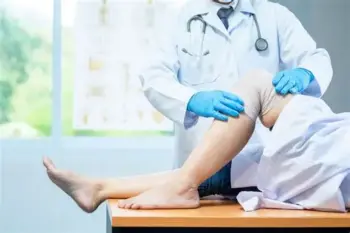
Optimized Orthopedic Treatment (United SSH) – Advanced Care for Better Joint Health and Mobility
Optimized Orthopedic Treatment (United SSH) By Dr. Abhishek Bhalotia, practicing at Asian Institute Of Advanced Surgeries, Orthopedic conditions can significantly affect mobility, comfort, and overall quality of life. Joint pain, injuries, arthritis, and musculoskeletal disorders often interfere with everyday activities such as walking, climbing stairs, and performing routine tasks. Therefore, modern healthcare focuses on optimized orthopedic treatment, which combines accurate diagnosis, advanced surgical techniques, and personalized rehabilitation programs.
Optimized orthopedic treatment aims to provide the most effective care while minimizing recovery time and improving long-term outcomes. Moreover, it focuses on delivering patient-centered solutions that address the underlying cause of orthopedic problems. As a result, patients experience improved mobility, reduced pain, and enhanced joint function.
At the Asian Institute Of Advanced Surgeries, orthopedic care emphasizes comprehensive treatment strategies designed to improve patient outcomes. Under the guidance of Dr. Abhishek Bhalotia, patients receive advanced orthopedic solutions that restore joint function and support long-term musculoskeletal health.
Understanding Optimized Orthopedic Treatment
Optimized orthopedic treatment refers to a comprehensive approach that improves every stage of patient care. Instead of focusing solely on surgery, orthopedic specialists consider diagnosis, treatment planning, surgical precision, rehabilitation, and lifestyle guidance.
The goal of optimized treatment is to achieve:
- Accurate diagnosis of orthopedic conditions
- Personalized treatment plans
- Improved surgical precision
- Faster recovery after treatment
- Long-lasting joint health
Consequently, patients benefit from more effective care and improved treatment outcomes.
Importance of Optimized Orthopedic Care
Orthopedic disorders can progress gradually if left untreated. Therefore, optimized treatment helps address the root cause of joint problems before complications develop.
Key benefits include:
Improved Mobility
Optimized treatment helps restore joint movement and flexibility.
Pain Relief
Accurate treatment strategies reduce chronic joint pain.
Faster Recovery
Advanced surgical methods and rehabilitation programs accelerate healing.
Long-Term Joint Health
Proper treatment planning helps maintain joint stability and function.
Common Orthopedic Conditions Requiring Optimized Treatment
Several musculoskeletal conditions benefit from optimized orthopedic care.
Osteoarthritis
Osteoarthritis occurs when cartilage within joints gradually wears down. As a result, joints become painful and stiff.
Sports Injuries
Athletes frequently experience ligament tears, tendon injuries, and cartilage damage.
Joint Degeneration
Age-related joint degeneration can limit mobility and cause persistent discomfort.
Traumatic Injuries
Accidents may cause fractures, ligament damage, or joint instability.
Through advanced treatment strategies, orthopedic specialists address these conditions effectively.
Modern Diagnostic Techniques in Orthopedics
Accurate diagnosis is the foundation of optimized orthopedic treatment.
Doctors use several diagnostic tools to evaluate joint health.
Physical Examination
The physician evaluates joint movement, strength, and flexibility.
X-Ray Imaging
X-rays reveal bone structure and joint alignment.
MRI Scans
Magnetic resonance imaging helps visualize soft tissues such as ligaments and cartilage.
CT Scans
Computed tomography provides detailed images of bones and joints.
Because diagnostic accuracy improves treatment planning, it significantly enhances treatment outcomes.
Personalized Treatment Planning
Every patient has unique orthopedic needs. Therefore, optimized treatment plans are tailored to each individual.
Treatment planning may include:
- Non-surgical therapies
- Minimally invasive procedures
- Joint replacement surgery
- Rehabilitation programs
Experienced orthopedic specialists such as Dr. Abhishek Bhalotia carefully evaluate patient conditions before recommending treatment options.
Non-Surgical Orthopedic Treatments
Many orthopedic conditions can be treated without surgery, particularly during early stages.
Common non-surgical treatments include:
Physical Therapy
Exercise programs strengthen muscles and improve joint flexibility.
Medication
Anti-inflammatory medications reduce pain and swelling.
Lifestyle Modifications
Weight management and regular exercise reduce stress on joints.
Assistive Devices
Braces and orthotics support joint stability.
These conservative treatments often provide effective relief for mild orthopedic problems.
Minimally Invasive Orthopedic Procedures
When surgery becomes necessary, minimally invasive techniques can improve recovery outcomes.
These procedures involve:
- Smaller incisions
- Reduced tissue damage
- Faster healing time
Because minimally invasive surgery limits trauma to surrounding tissues, patients often experience less postoperative pain.
Advanced orthopedic centers such as the Asian Institute Of Advanced Surgeries offer minimally invasive procedures to enhance patient recovery.
Role of Advanced Technology in Orthopedic Treatment
Technological innovations have transformed modern orthopedic care.
Robotic-Assisted Surgery
Robotic systems assist surgeons in performing precise joint replacement procedures.
Computer-Assisted Surgical Planning
Digital tools help surgeons analyze joint anatomy and plan implant placement.
Advanced Implant Materials
Modern implants are designed to last longer and mimic natural joint movement.
These technologies improve surgical accuracy and contribute to optimized treatment outcomes.
Rehabilitation After Orthopedic Treatment
Rehabilitation plays a critical role in restoring joint function after surgery or injury. Therefore, structured rehabilitation programs help patients regain strength, flexibility, and mobility. Moreover, these programs support safe recovery while preventing future complications. As a result, patients gradually return to daily activities with improved confidence and stability.
Rehabilitation programs focus on:
- Strengthening surrounding muscles, therefore improving joint stability and support
- Improving flexibility, consequently helping joints move more comfortably
- Restoring range of motion, thus allowing the joint to bend and straighten properly
- Reducing pain and swelling, meanwhile supporting the healing process
- Enhancing balance and coordination, thereby lowering the risk of future injuries
- Gradually returning to normal activities, including walking, climbing stairs, and routine movements
Furthermore, consistent rehabilitation improves long-term orthopedic outcomes. Consequently, patients experience better mobility, stronger joints, and an improved quality of life.
- Strengthening muscles surrounding the joint
- Improving flexibility and range of motion
- Enhancing balance and coordination
- Gradually returning to daily activities
Under medical supervision, rehabilitation supports long-term recovery and mobility.
Lifestyle Habits That Support Orthopedic Health
Optimized orthopedic treatment also includes lifestyle guidance for maintaining joint health.
Maintain Healthy Body Weight
Excess weight increases pressure on weight-bearing joints.
Exercise Regularly
Low-impact activities such as walking and swimming strengthen muscles and protect joints.
Follow Balanced Nutrition
Nutrients such as calcium and vitamin D support bone health.
Avoid Excessive Strain
Proper body mechanics help prevent injuries.
These habits help protect joints and support successful treatment outcomes.
Benefits of Optimized Orthopedic Treatment
Patients receiving optimized orthopedic care often experience significant improvements in their health and mobility.
Key benefits include:
- Reduced joint pain
- Improved movement and flexibility
- Faster recovery from injuries
- Enhanced physical activity
- Long-lasting joint function
These benefits demonstrate the value of comprehensive orthopedic treatment strategies.
When to Consult an Orthopedic Specialist ?
Patients should seek medical evaluation if they experience:
- Persistent joint pain
- Difficulty performing everyday activities
- Limited joint mobility
- Swelling or stiffness in joints
- Joint injuries after accidents or sports activities
Early diagnosis allows orthopedic specialists to recommend effective treatment options.
Patients seeking specialized orthopedic care can consult experts at the Asian Institute Of Advanced Surgeries where Dr. Abhishek Bhalotia provides comprehensive orthopedic treatment solutions.
Frequently Asked Questions (FAQs)
What is optimized orthopedic treatment?
Optimized orthopedic treatment is a comprehensive approach that combines accurate diagnosis, advanced surgical techniques, and rehabilitation programs to improve patient outcomes.
Can orthopedic conditions be treated without surgery?
Yes. Many orthopedic conditions can be managed through physical therapy, medication, and lifestyle modifications.
How long does orthopedic recovery take?
Recovery time varies depending on the condition and treatment type, although rehabilitation programs help accelerate healing.
Why is rehabilitation important after orthopedic treatment?
Rehabilitation strengthens muscles, improves joint mobility, and supports long-term recovery.
When should someone consult an orthopedic specialist?
Individuals should consult an orthopedic specialist if they experience persistent joint pain, limited mobility, or injuries affecting joint function.
Book Appointment with Dr. Abhishek Bhalotia at AIAS
If you are experiencing joint discomfort, restricted movement, or any musculoskeletal concerns, scheduling a consultation with Dr. Abhishek Bhalotia, MS Ortho, Fellow Joint Replacement (Hyd, UK), Robotic Joint Replacement Surgeon, can help you better understand your condition and explore appropriate care options. Early evaluation often helps patients address symptoms before they begin to interfere with everyday activities and mobility.
Consultations are available at Asian Institute of Advanced Surgeries (AIAS) in Nagpur, where patients receive a structured orthopaedic assessment focused on identifying factors affecting bone, joint, and movement health. During the visit, individuals can discuss their symptoms, medical history, lifestyle habits, and physical activity levels with Dr. Abhishek Bhalotia, ensuring a comprehensive evaluation and guidance toward suitable treatment options for improved joint function and mobility.