
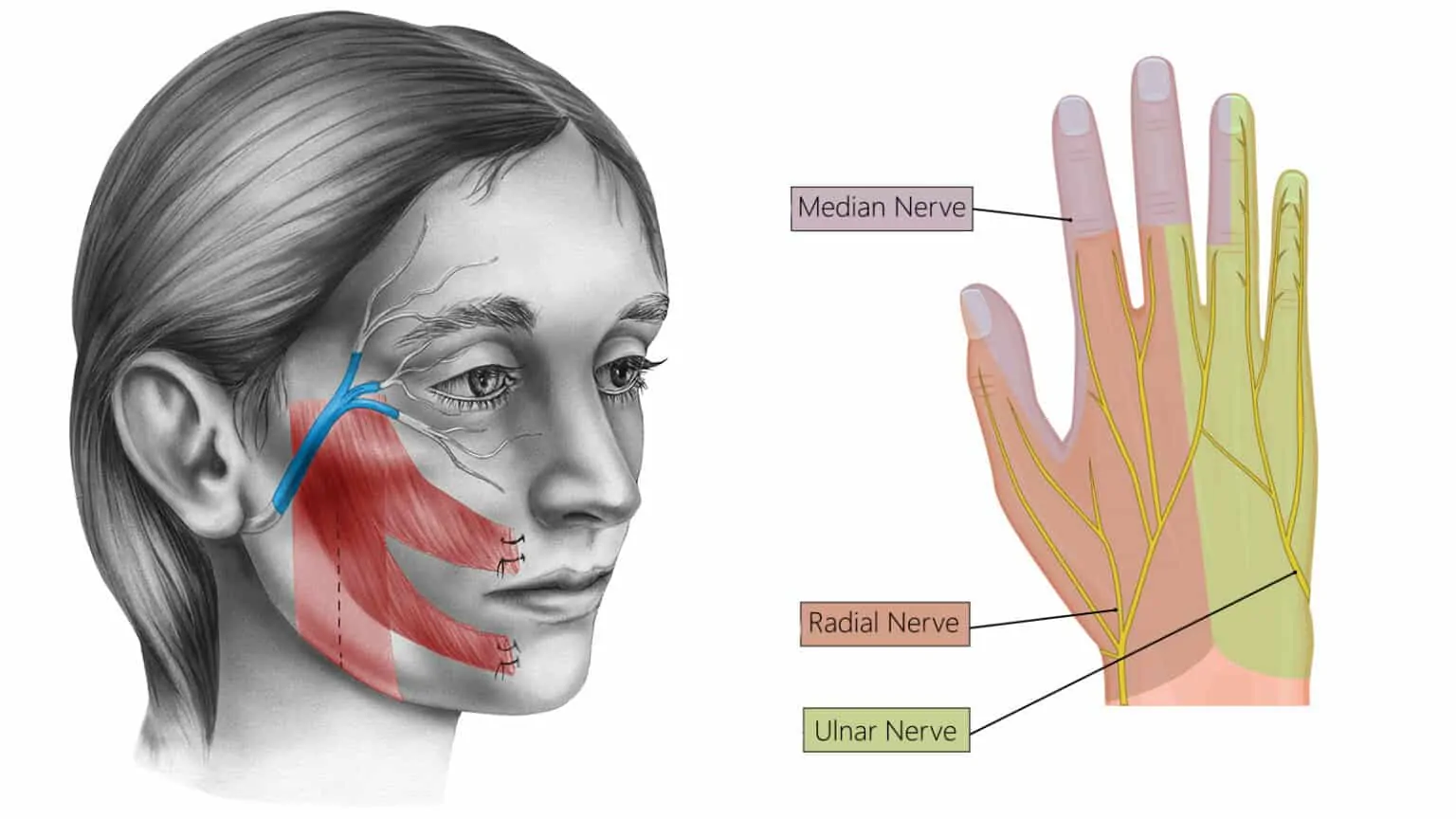
Nerve Injury At Asian Institute Of Advanced Surgeries
At Asian Institute Of Advanced Surgeries, we provide advanced nerve surgery using modern microsurgical techniques. Furthermore, our experienced surgeons focus on precision, safety, and faster recovery. As a result, patients experience improved nerve function and reduced pain.
Nerve Injury is a specialized procedure performed to treat nerve injuries, compression, and damage affecting movement and sensation. Because nerves control muscle function and sensory signals, any damage can significantly impact daily life. Therefore, timely diagnosis and expert surgical care are essential for restoring normal function.
What Is Nerve Injury And Why Choose Asian Institute Of Advanced Surgeries For Nerve Injury ?
Nerve Injury involves repairing, decompressing, or reconstructing damaged nerves. In most cases, it is recommended when conservative treatments fail to relieve symptoms. Consequently, surgical intervention helps restore sensation, strength, and coordination.
Highly experienced nerve surgery specialists
Advanced diagnostic tools and microsurgical technology
Sterile and well-equipped operation theatres
Personalized treatment approach
Transparent pricing structure
Dedicated post-operative rehabilitation support
In conclusion, nerve surgery requires expertise, precision, and comprehensive care. Therefore, choosing Asian Institute Of Advanced Surgeries ensures safe treatment, faster healing, and long-term relief from nerve-related problems.
Conditions Treated with Nerve Injury
Peripheral nerve injuries
Nerve compression syndromes (e.g., carpal tunnel syndrome)
Nerve tumors
Traumatic nerve damage
Chronic nerve pain
Numbness and weakness due to nerve entrapment
Therefore, early evaluation prevents long-term complications and permanent damage.
Types of Nerve Surgery We Offer
1. Nerve Decompression Surgery
This procedure relieves pressure on compressed nerves. As a result, pain, tingling, and numbness gradually reduce.
2. Nerve Repair Surgery
If a nerve is cut or injured, surgeons reconnect it carefully using microsurgical techniques. Consequently, nerve signals can gradually recover.
3. Nerve Grafting
When direct repair is not possible, a nerve graft is used to bridge the gap. Therefore, this technique supports nerve regeneration.
4. Tumor Removal from Nerves
Benign nerve tumors are carefully removed while preserving surrounding structures. Most importantly, this protects nerve function.
Symptoms That May Require Nerve Injury
Persistent numbness or tingling
Burning or shooting pain
Muscle weakness
Loss of coordination
Reduced sensation
Chronic nerve-related discomfort
If these symptoms persist, medical consultation is strongly advised.
Nerve Surgery Procedure Steps
Detailed consultation and neurological evaluation
Diagnostic tests such as nerve conduction studies
Anesthesia administration
Microsurgical nerve repair or decompression
Post-operative monitoring and rehabilitation
Moreover, advanced surgical equipment ensures precision and minimal tissue damage.
Benefits of Nerve Surgery
Relief from chronic nerve pain
Restoration of muscle strength
Improved sensation
Enhanced coordination
Prevention of permanent nerve damage
As a result, patients regain confidence and improve their quality of life.
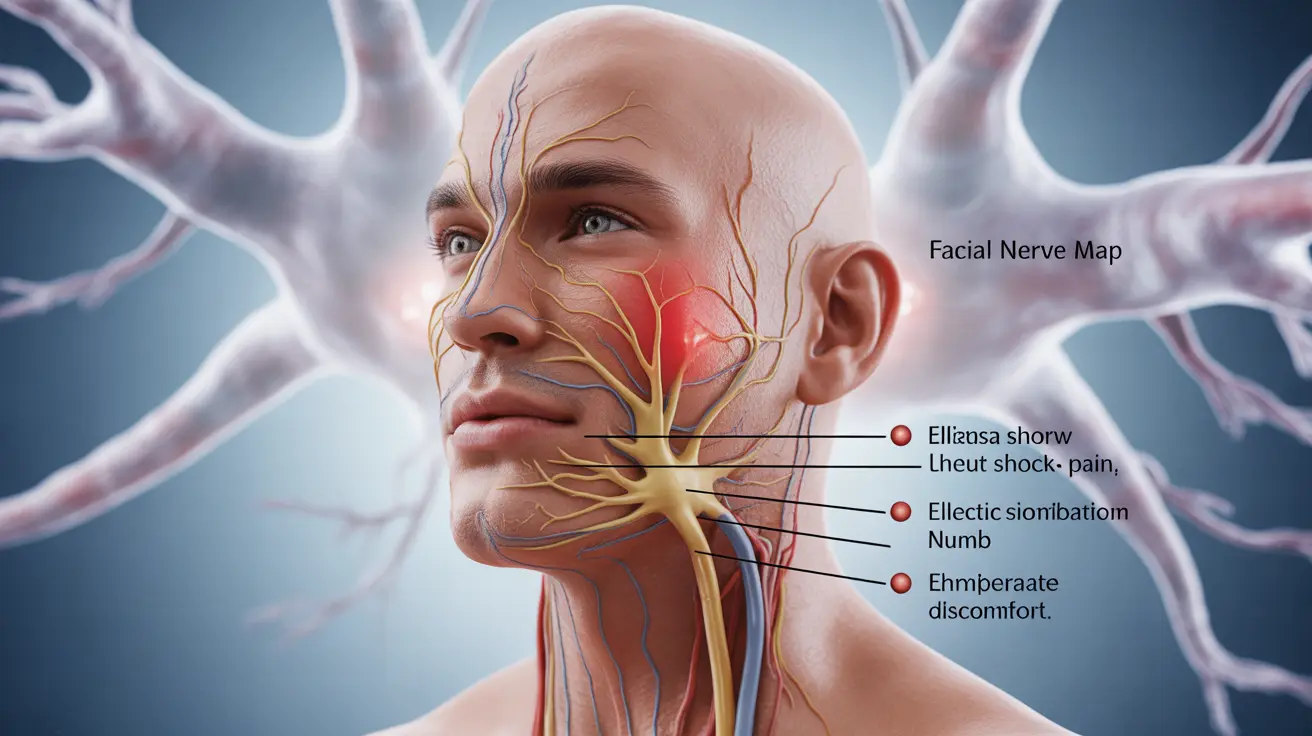
Recovery and Aftercare
Recovery varies depending on the severity of nerve damage. Generally, nerve healing takes time because nerves regenerate slowly. Therefore, regular follow-up visits and physiotherapy may be required.
After surgery, patients should:
Follow prescribed medications
Avoid strain on the affected area
Attend rehabilitation sessions
Monitor any unusual symptoms
Proper aftercare ensures optimal healing and long-term success.
Request a Callback
Why Choose Asian Institute Of Advanced Surgeries for Nerve Injury?
Experienced nerve surgery specialists
Advanced microsurgical technology
Safe and sterile operation theatres
Personalized treatment plans
Transparent and affordable pricing
Comprehensive post-surgery rehabilitation
In conclusion, nerve surgery is a highly specialized procedure that requires expertise and precision. However, with advanced care at Asian Institute Of Advanced Surgeries, patients can achieve safe recovery, restored nerve function, and lasting relief from pain.
Advanced Techniques We Use
Microsurgical Nerve Repair
Using high-magnification equipment, damaged nerves are repaired with extreme precision. As a result, tissue trauma is minimized and healing improves.
Nerve Decompression
Pressure on the nerve is relieved by releasing surrounding tight structures. Consequently, blood flow and nerve function gradually return to normal.
Nerve Grafting & Reconstruction
In complex injuries, nerve grafting restores continuity. Therefore, this technique supports long-term nerve regeneration.
Minimally Invasive Procedures
Whenever possible, minimally invasive methods are used. Thus, recovery time is shorter and scarring is reduced.
FAQ For Nerve Injury At Asian Institute Of Advanced Surgeries
1. What is nerve surgery?
Nerve surgery repairs or decompresses damaged nerves to restore movement and sensation. Therefore, it helps relieve pain and weakness.
2. When do I need nerve surgery?
If numbness, tingling, or muscle weakness does not improve with medication or therapy, surgery may be required.
3. Is nerve surgery safe?
Yes, it is performed under anesthesia using advanced microsurgical techniques. As a result, the procedure is safe and precise.
4. How long is recovery?
Recovery varies by condition. However, gradual improvement occurs over weeks to months with proper rehabilitation.
5. Will I need physiotherapy?
Yes, in many cases physiotherapy is recommended. Furthermore, it supports faster healing and better functional recovery.