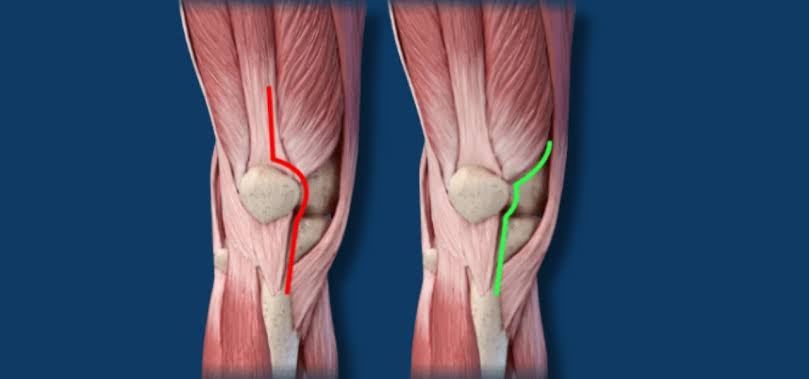
Persistent knee pain can make walking, climbing stairs, exercising, and daily activities challenging. Moreover, some patients need surgical treatment when advanced joint damage no longer responds well to conservative care. Therefore, a Muscle-Sparing Knee Procedure In Nagpur can offer a carefully planned surgical approach for selected patients who need knee treatment. In addition, modern knee procedures focus on accurate planning, appropriate tissue handling, and functional recovery. However, the right procedure depends on your knee condition, anatomy, health, and treatment goals. As a result, a detailed consultation with an experienced orthopedic specialist can help you understand whether a muscle-sparing approach suits your needs.
What Is A Muscle-Sparing Knee Procedure?
A muscle-sparing knee procedure aims to minimize unnecessary disruption to healthy muscles and surrounding soft tissues during appropriate knee surgery. Moreover, surgeons carefully plan the surgical approach according to the patient’s anatomy and the specific procedure. Therefore, the technique can focus on treating the damaged knee while respecting suitable healthy structures. In addition, surgeons may use minimally invasive approaches in selected cases. However, muscle preservation does not mean that every patient qualifies for a minimally invasive procedure. As a result, your orthopedic surgeon should evaluate your knee before recommending a specific surgical technique.
Why Consider A Muscle-Sparing Approach?
Knee surgery can require careful management of muscles, tendons, ligaments, and other surrounding structures. Moreover, preserving suitable healthy tissue can support functional rehabilitation when the surgical situation allows it. Therefore, a muscle-sparing approach may help selected patients work toward comfortable movement after surgery. In addition, modern surgical planning can help the surgeon choose an approach that matches the patient’s anatomy and treatment requirements. However, the primary goal remains safe and effective treatment of the underlying knee problem. As a result, your surgeon should balance tissue preservation with proper access, alignment, implant positioning, and long-term knee function.
Who May Benefit From A Muscle-Sparing Knee Procedure?
Not every person with knee pain needs surgery. Moreover, doctors consider several clinical factors before recommending a surgical procedure. Therefore, selected patients may benefit when knee damage significantly affects daily function and conservative treatment provides inadequate relief. In addition, your orthopedic specialist may evaluate:
- Severity of joint damage
- Location of cartilage damage
- Knee alignment
- Ligament condition
- Muscle strength
- Range of motion
- Pain severity
- Previous treatment response
- Activity requirements
- General health
However, these factors do not automatically make someone a candidate. As a result, your surgeon should make the final treatment recommendation after a complete assessment.
Common Knee Problems That Need Surgical Evaluation
Several knee conditions can cause persistent pain and movement limitations. Moreover, arthritis often produces progressive cartilage damage and stiffness. Therefore, an orthopedic specialist may evaluate surgical options for conditions such as:
- Advanced knee osteoarthritis
- Localized cartilage damage
- Meniscus injuries
- Selected ligament injuries
- Severe joint degeneration
- Persistent post-traumatic knee problems
- Significant movement limitations
- Joint deformity
In addition, your doctor may recommend non-surgical treatment when it can provide meaningful relief. As a result, proper diagnosis helps you avoid unnecessary procedures and choose appropriate care.
Symptoms That May Require Knee Evaluation
Knee symptoms can gradually interfere with your normal routine. Moreover, persistent discomfort can affect walking, work, exercise, and sleep. Therefore, consider an orthopedic consultation if you experience:
- Persistent knee pain
- Knee stiffness
- Swelling
- Difficulty walking
- Reduced knee movement
- Pain while climbing stairs
- Difficulty standing for long periods
- Repeated knee instability
- Difficulty performing daily activities
- Pain that continues despite treatment
In addition, early evaluation can help identify the cause of your symptoms. As a result, you can discuss suitable treatment options before the condition affects your mobility further.
How Doctors Evaluate Your Knee
An orthopedic specialist begins with your symptoms, medical history, previous treatment, and activity level. Moreover, the doctor examines knee movement, alignment, stability, strength, and tenderness. Therefore, imaging can provide additional information about bones, cartilage, and joint changes. In addition, your doctor may recommend X-rays, MRI scans, or other tests when clinically appropriate. However, imaging represents only one part of the assessment. As a result, your surgeon combines clinical findings, imaging, health factors, and functional goals to create an individualized treatment plan.
Muscle-Sparing Knee Replacement
Some patients with advanced arthritis may require knee replacement surgery. Moreover, surgeons can select an appropriate surgical approach according to the patient’s anatomy and the extent of joint damage. Therefore, a muscle-sparing approach may focus on minimizing unnecessary disruption to suitable soft tissues during the procedure. In addition, accurate implant positioning and proper knee alignment remain important goals. However, the exact approach varies between patients and procedures. As a result, your orthopedic surgeon should explain the planned technique, expected benefits, limitations, and alternatives before surgery.
Book An Appointment For A Muscle-Sparing Knee Procedure In Nagpur
Persistent knee pain can limit your movement, independence, and quality of life. Moreover, modern orthopedic treatment can offer several options depending on the cause and severity of your knee problem. Therefore, if you are considering a Muscle-Sparing Knee Procedure In Nagpur, schedule a consultation with a qualified orthopedic specialist for a detailed evaluation. In addition, bring your previous X-rays, MRI reports, prescriptions, and medical records when available. However, your surgeon should confirm the most suitable treatment after reviewing your knee condition. As a result, personalized guidance can help you understand your options and plan the next step.
Frequently Asked Questions (FAQ)
Muscle-sparing knee procedure in Nagpur
Muscle-sparing knee procedure in Nagpur
Consult Our Experienced Orthopaedic Surgeon for Detailed Guidance