
Asian Institute Of Advanced Surgeries


Muscle-sparing joint replacement in Nagpur

Dr. Abhishek Bhalotia

MS Ortho, Fellow Joint Replacement (Hyd, UK)

Robotic Joint Replacement Surgeon
Dr. Abhishek Bhalotia is a highly skilled orthopedic and joint replacement surgeon based in Gondia, Maharashtra. He holds an MBBS and MS has completed advanced fellowship training in joint replacement techniques, including training in Hyderabad and London, UK.
Introducing robotic-assisted hip and knee replacement surgeries in his region and has performed over 2k joint replacement procedures, helping many patients regain mobility and reduce pain. He is the Founder Director of United Super Specialty Hospital & Trauma Centre, where he provides advanced orthopedic care with a focus on precision, innovation & compassionate treatment.
Muscle-sparing joint replacement in Nagpur

Muscle-sparing joint replacement in Nagpur ,Severe joint pain can make walking, climbing stairs, working, and enjoying daily activities difficult. Moreover, advanced arthritis can gradually reduce mobility and confidence. Therefore, patients considering Muscle-Sparing Joint Replacement In Nagpur can consult an experienced orthopedic specialist for a detailed evaluation. In addition, modern surgical techniques can help surgeons plan joint replacement according to the patient’s anatomy, condition, and functional goals. As a result, suitable patients can work toward reduced pain, improved movement, and a more comfortable return to daily activities.

Joint replacement may be considered when pain continues despite medicines, physiotherapy, activity modification, weight management, injections, or other non-surgical treatments.

What Is Muscle-Sparing Joint Replacement?

Muscle-sparing joint replacement focuses on protecting healthy muscles and soft tissues around the joint during surgery whenever the chosen procedure allows it. Moreover, the surgeon selects the surgical approach according to the joint condition, anatomy, and overall treatment requirements. Therefore, this approach does not mean that surgery completely avoids muscles or tissues. In addition, careful surgical planning and appropriate technique can help minimize unnecessary tissue disruption. As a result, selected patients may progress through rehabilitation according to their individual recovery needs.

When Do You Need Joint Replacement?

Joint replacement does not suit every patient with joint pain. However, advanced joint damage can make daily activities increasingly difficult. Moreover, doctors usually consider symptoms, imaging findings, previous treatments, mobility, and overall health before recommending surgery. Therefore, an orthopedic evaluation may help when you experience:

  • Persistent joint pain
  • Severe arthritis
  • Difficulty walking
  • Reduced joint movement
  • Persistent stiffness
  • Joint deformity
  • Difficulty climbing stairs
  • Pain during everyday activities
  • Reduced ability to exercise
  • Limited relief from conservative treatment

In addition, your orthopedic specialist can explain whether joint replacement or another treatment better matches your condition.

Conditions That May Require Joint Replacement

Several conditions can damage a joint over time. Moreover, arthritis remains a common reason for joint replacement, while injuries and other degenerative problems can also affect joint function. Therefore, an orthopedic specialist may evaluate patients with:

  • Advanced osteoarthritis
  • Rheumatoid arthritis
  • Severe cartilage damage
  • Joint degeneration
  • Certain previous joint injuries
  • Joint deformity
  • Persistent joint pain
  • Significant mobility limitations

Knee Replacement With Muscle-Sparing Techniques

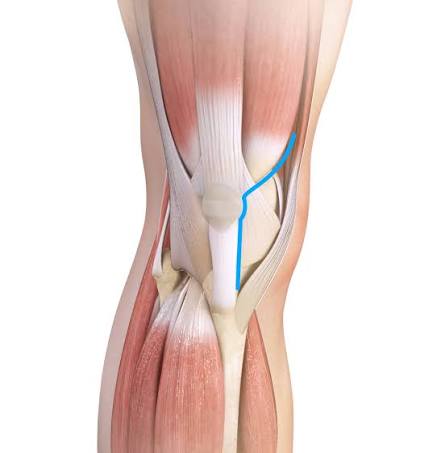
Knee arthritis can affect walking, standing, squatting, and stair climbing. Moreover, severe cartilage loss can produce persistent pain and stiffness. Therefore, an orthopedic surgeon may discuss knee replacement when conservative treatments no longer provide adequate relief. In addition, the surgeon can select a suitable surgical approach after reviewing your anatomy, alignment, ligament condition, and overall health. As a result, appropriate surgical planning can support joint function while helping the patient follow a structured recovery program.
Hip Replacement With Muscle-Sparing Approaches
Hip arthritis can affect walking, sitting, standing, and other everyday movements. Moreover, advanced hip damage may cause persistent pain around the hip, groin, thigh, or buttock. Therefore, an orthopedic surgeon can evaluate your symptoms, movement, imaging, and functional limitations. In addition, selected patients may benefit from a surgical approach that aims to reduce unnecessary disruption of surrounding tissues. As a result, the appropriate technique can support a personalized recovery plan based on the patient’s condition.
How Does Muscle-Sparing Surgery Work?
The surgeon plans the procedure after evaluating the joint, surrounding tissues, imaging, and patient’s health. Moreover, the selected approach depends on the joint involved and the type of replacement required. Therefore, the surgeon uses an appropriate surgical pathway to access the damaged joint and position the replacement components. In addition, careful handling of surrounding tissues can help support the surgical goals. As a result, the final approach should always match the patient’s anatomy and clinical requirements rather than follow a one-size-fits-all method.

Benefits Of Muscle-Sparing Joint Replacement

Muscle-sparing techniques may offer potential advantages for carefully selected patients. Moreover, the actual outcome depends on the procedure, surgeon, patient health, rehabilitation, and other factors. Therefore, potential benefits may include:

  • Reduced disruption of selected surrounding tissues
  • Support for early movement
  • Improved functional recovery
  • Reduced pain from damaged joint surfaces
  • Improved mobility
  • Better ability to perform daily activities
  • Support for structured rehabilitation
  • Potentially smoother progression through recovery

However, no surgical technique guarantees a particular outcome. As a result, your orthopedic surgeon should explain realistic expectations before treatment.

Book An Appointment For Muscle-Sparing Joint Replacement In Nagpur

Persistent joint pain can limit your mobility and affect your quality of life. Moreover, an orthopedic consultation can help identify the cause of your symptoms and explain suitable treatment options. Therefore, if you are considering Muscle-Sparing Joint Replacement In Nagpur, schedule an appointment with a qualified orthopedic specialist for a detailed evaluation.

Frequently Asked Questions (FAQ)

1. What is muscle-sparing joint replacement?
It is a joint replacement technique that aims to reduce unnecessary damage to surrounding muscles and tissues.
No. Your orthopedic surgeon must assess your joint condition, anatomy, and overall health first.
No. Surgery may still affect some muscles and surrounding tissues.
It may support recovery in selected patients, but healing also depends on health, rehabilitation, and the surgical procedure.
You can discuss it with your surgeon, but the final approach depends on your medical needs.
No. They are different surgical concepts and should not be considered the same.

Muscle-sparing joint replacement in Nagpur

Muscle-sparing joint replacement in Nagpur

Consult Our Experienced Orthopaedic Surgeon for Detailed Guidance

Call Now Button