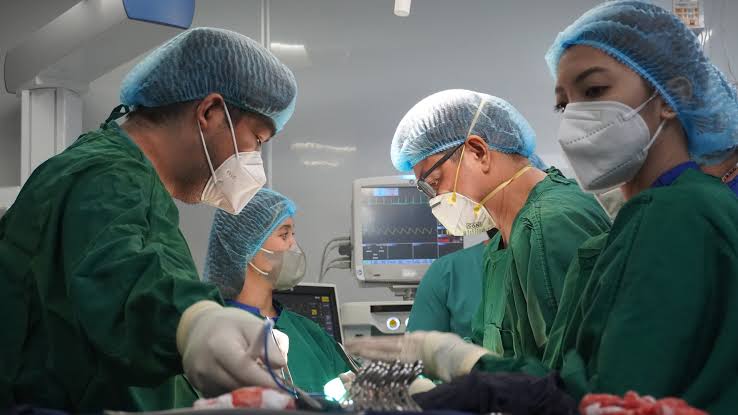
Modern orthopedic procedures focus on treating the underlying problem while respecting healthy tissues around the affected area. Moreover, many patients want treatment approaches that support comfortable recovery and an earlier return to everyday activities. Therefore, people searching for Minimized Tissue Trauma In Nagpur can consult an experienced orthopedic specialist to understand suitable treatment options. In addition, minimally invasive techniques, careful surgical planning, and appropriate rehabilitation can help selected patients recover effectively. However, every procedure requires an individualized assessment. As a result, your orthopedic specialist can recommend an approach based on your condition, anatomy, activity needs, and recovery goals.
What Does Minimized Tissue Trauma Mean?
Minimized tissue trauma refers to surgical techniques that aim to limit unnecessary disruption to healthy tissues while treating the target problem. Moreover, surgeons may use smaller access points, specialized instruments, and precise surgical techniques for selected procedures. Therefore, the approach can help focus treatment on the affected structure. In addition, careful handling of muscles, tendons, ligaments, and surrounding tissues can support the overall surgical plan. However, not every condition requires or suits a minimally invasive approach. As a result, your surgeon should select the technique according to your diagnosis rather than simply choosing the smallest incision.
Minimized tissue trauma in Nagpur
Why Does Tissue Preservation Matter?
Healthy tissues contribute to movement, strength, stability, and joint function. Moreover, unnecessary disruption can influence the early recovery process after some procedures. Therefore, surgeons aim to preserve healthy structures whenever clinically appropriate. In addition, careful tissue handling can complement pain management and rehabilitation. However, the primary goal remains effective treatment of the underlying condition. As a result, patients should discuss both tissue-preserving techniques and the overall treatment strategy with their orthopedic specialist.
Conditions That May Benefit From Minimally Invasive Techniques
Orthopedic specialists use minimally invasive approaches for selected conditions involving different joints. Moreover, the appropriate technique depends on the location and severity of the problem. Therefore, suitable procedures may address:
- ACL injuries
- Meniscus tears
- Selected cartilage injuries
- Shoulder instability
- Rotator cuff problems
- Labral injuries
- Selected sports injuries
- Certain joint problems
- Some fractures
- Selected arthritic conditions
In addition, your doctor may recommend non-surgical treatment when it can provide appropriate results. As a result, a detailed evaluation helps determine the most suitable approach.
Arthroscopy And Minimized Tissue Trauma
Arthroscopy uses a small camera and specialized instruments to access selected joints through small openings. Moreover, surgeons commonly use arthroscopic techniques for certain knee and shoulder procedures. Therefore, arthroscopy can provide a focused way to examine and treat specific joint problems. In addition, the technique can limit the need for larger surgical exposure in appropriate cases. However, arthroscopy does not automatically guarantee less pain or faster recovery for every patient. As a result, your surgeon should explain the expected benefits, limitations, risks, and recovery requirements before treatment.
Knee Procedures With Tissue-Sparing Approaches
The knee contains several structures that work together during movement. Moreover, surgeons consider these structures carefully when treating ligament, meniscus, cartilage, or joint problems. Therefore, selected knee procedures may use arthroscopic or other tissue-conscious techniques. In addition, surgeons can tailor the approach according to the injury and the patient’s anatomy. However, severe or complex conditions may require a different surgical approach. As a result, personalized surgical planning remains more important than simply choosing a minimally invasive technique.
Shoulder Procedures And Tissue Preservation
Shoulder surgery can involve structures such as the rotator cuff, labrum, cartilage, and supporting tissues. Moreover, shoulder movement requires coordinated function between several structures. Therefore, surgeons may use arthroscopic techniques for selected shoulder conditions to access the joint through small openings. In addition, careful surgical handling can support the treatment plan while respecting surrounding tissues. However, the procedure depends on the specific injury and clinical findings. As a result, an orthopedic specialist should determine whether a minimally invasive shoulder procedure suits your condition.
ACL Surgery And Tissue-Conscious Techniques
ACL injuries can affect knee stability and physical activity. Moreover, active patients may require reconstruction when instability significantly interferes with their goals. Therefore, surgeons commonly use arthroscopic techniques for suitable ACL reconstruction procedures. In addition, the surgeon evaluates associated meniscus, cartilage, and ligament problems during treatment planning. However, the exact reconstruction technique and graft choice depend on individual factors. As a result, careful planning can help address the injury while supporting functional recovery.
Minimized tissue trauma in Nagpur
Meniscus Treatment
The meniscus helps distribute loads and supports knee movement. Moreover, some meniscus tears can cause pain, swelling, clicking, or locking. Therefore, your orthopedic specialist may consider repair or other treatment after evaluating the tear and overall knee health. In addition, surgeons may use arthroscopic techniques for selected meniscus procedures. However, not every tear requires surgery, and treatment depends on several factors. As a result, preserving healthy meniscus tissue whenever appropriate can form an important part of treatment planning.
Benefits Of Minimizing Unnecessary Tissue Disruption
Tissue-conscious surgical techniques can offer potential advantages for selected patients. Moreover, smaller surgical access and careful tissue handling can support a focused surgical approach. Therefore, potential benefits may include:
- Limited disruption of surrounding tissues
- Smaller surgical access in suitable procedures
- Focused treatment of the affected structure
- Support for postoperative rehabilitation
- Potentially less early discomfort in selected cases
- Earlier progression of movement in appropriate patients
However, outcomes vary according to the procedure and individual health. As a result, your surgeon should explain realistic expectations before treatment.
Minimized tissue trauma in Nagpur
Does Minimally Invasive Surgery Mean Faster Recovery?
Minimally invasive surgery can support recovery for selected procedures, but recovery speed depends on many factors. Moreover, the type of surgery, injury severity, overall health, rehabilitation, and activity level can influence progress. Therefore, you should not assume that a smaller incision guarantees a faster recovery. In addition, following your rehabilitation program can significantly influence functional progress. However, each patient follows a different recovery pathway. As a result, your medical team should provide a personalized timeline based on your procedure and progress.
Diagnosis Before Tissue-Sparing Surgery
A precise diagnosis helps the surgeon determine whether a minimally invasive approach can provide appropriate treatment. Moreover, the doctor reviews your symptoms, injury history, activity level, and previous treatments. Therefore, the evaluation may include physical examination and imaging such as X-rays or MRI. In addition, imaging can help the surgeon understand joint structures and identify associated injuries. However, doctors select tests according to the individual case. As a result, accurate diagnosis supports better surgical planning and treatment selection.
Advanced Surgical Planning In Nagpur
Modern orthopedic care can incorporate detailed imaging and surgical planning methods. Moreover, surgeons may use specialized instruments, computer-assisted planning, or other technologies during selected procedures. Therefore, these tools can provide additional information when planning complex orthopedic treatment. In addition, careful planning helps the surgeon consider anatomy, alignment, affected structures, and functional goals. However, technology does not replace clinical judgment. As a result, the surgeon’s experience and individualized decision-making remain essential for appropriate treatment.
Minimized tissue trauma in Nagpur
Recovery After Minimally Invasive Orthopedic Surgery
Recovery begins after the procedure and continues through progressive rehabilitation. Moreover, your medical team may guide you through wound care, movement, weight-bearing, exercises, and activity progression. Therefore, follow your surgeon’s instructions carefully. In addition, physiotherapy can help restore strength, flexibility, balance, and functional movement when appropriate. However, recovery varies according to the procedure and your individual response. As a result, consistent rehabilitation and follow-up can help you progress safely toward your daily and activity goals.
Physiotherapy And Tissue-Sparing Recovery
Physiotherapy can support recovery after many orthopedic procedures. Moreover, appropriate exercises can help restore movement and strengthen muscles around the treated joint. Therefore, your physiotherapist may gradually increase exercises according to your recovery stage. In addition, rehabilitation can address balance, coordination, flexibility, and functional movement. However, excessive activity too early can interfere with recovery. As a result, follow the rehabilitation schedule provided by your healthcare team.
Book An Appointment For Minimized Tissue Trauma In Nagpur
Persistent joint pain, instability, stiffness, or movement problems deserve professional attention. Moreover, early evaluation can help identify the underlying condition and available treatment options. Therefore, if you are searching for Minimized Tissue Trauma In Nagpur, schedule a consultation with an experienced orthopedic specialist. In addition, bring previous X-rays, MRI reports, prescriptions, and medical records when available. However, your doctor should recommend a surgical technique only after evaluating your individual needs. As a result, personalized diagnosis, careful surgical planning, and structured rehabilitation can help you work toward a safer and more functional recovery.
Minimized tissue trauma in Nagpur
Frequently Asked Questions (FAQ)