Asian Institute Of Advanced Surgeries

Minimally invasive Surgery In Nagpur

Welcome to the world of aesthetic transformation led by Dr. Siddharth Mendiratta. With a profound passion for the art and science of plastic surgery, Dr Siddharth Mendiratta is dedicated to helping individuals achieve their unique vision of beauty and confidence.
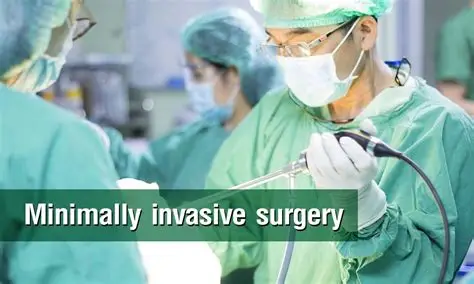
Minimally Invasive Surgery In Nagpur at Asian Institute of Advanced Surgeries (AIAS) focuses on selected surgical procedures that use smaller incisions or limited access points instead of traditional larger openings. This approach may help reduce tissue disruption and can support benefits such as smaller scars, less postoperative discomfort, and a potentially shorter recovery for suitable patients. However, the appropriate technique depends on the condition being treated, the surgical area, and individual anatomy. At AIAS, Dr. Siddharth Mendiratta evaluates your medical history, anatomy, tissue condition, previous procedures, and treatment requirements before recommending a surgical approach. Minimally invasive techniques are not suitable for every condition. Therefore, careful assessment remains an important part of treatment planning. When appropriate, specialized instruments and advanced surgical techniques may be used to access the treatment area through smaller openings while maintaining the required surgical precision.
What Is Minimally Invasive Surgery?
Minimally Invasive Surgery In Nagpur refers to surgical techniques that use smaller incisions or specialized access methods to reach the treatment area. Depending on the procedure, surgeons may use a camera, specialized instruments, or other advanced equipment. The technique allows selected operations to be performed without requiring the larger incision used in conventional open surgery.
The exact method varies according to the procedure and treatment area. Dr. Siddharth Mendiratta assesses your condition before deciding whether a minimally invasive approach is appropriate.
• Small surgical openings
• Specialized instruments
• Camera-assisted visualization
• Limited tissue access
• Procedure-specific techniques
Precision-Focused Surgical Care For Minimally Invasive Surgery In Nagpur
Advanced Access With Smaller Incisions
Minimally invasive techniques use carefully planned access points rather than relying on larger traditional openings. Depending on the procedure, specialized instruments or visualization systems may assist the surgeon during treatment. This approach can be useful when the required operation can be performed effectively through limited access. Dr. Siddharth Mendiratta determines the appropriate technique after evaluating the specific surgical requirement.
• Limited surgical access
• Specialized instruments
• Advanced visualization
• Controlled tissue handling
• Procedure-specific technique
A Treatment Plan Built Around Your Anatomy
When A Smaller-Access Approach May Be Appropriate ?
Not every surgical condition can be treated through minimally invasive techniques. The complexity of the procedure, location of the treatment area, anatomical access, and overall health can influence suitability. Dr. Siddharth Mendiratta evaluates these factors during consultation and recommends the approach that best matches your surgical needs.
• Condition assessment
• Anatomical suitability
• Surgical complexity review
• Previous treatment evaluation
• Individual health considerations
Technology-Assisted Surgical Planning For Minimally Invasive Surgery In Nagpur
Potential Benefits Of Limited-Access Surgery
When clinically suitable, smaller-access techniques may offer several advantages. Reduced tissue disruption can contribute to less postoperative discomfort and smaller visible scars in selected procedures. Some patients may also experience a more convenient recovery compared with comparable open surgery.
• Smaller Incisions: Limit the size of surgical access.
• Reduced Tissue Disruption: Minimize unnecessary disturbance around the treatment area.
• Less Visible Scarring: Smaller openings may result in smaller scars.
• Recovery Support: Some procedures may allow earlier return to routine activities.
• Postoperative Comfort: Certain patients may experience less discomfort.
Comparing Limited-Access And Open Procedures
Traditional surgery and minimally invasive surgery differ mainly in how the surgeon reaches the treatment area. A conventional operation may require a larger incision, while a minimally invasive approach generally uses smaller access points. However, the smaller approach is not automatically the better choice.
Dr. Siddharth Mendiratta selects the surgical method according to the condition, required access, expected outcome, and individual safety considerations.
Recovery Designed Around Your Procedure
Recovery differs from one operation to another. The treatment area, surgical complexity, anesthesia, general health, and individual healing response can influence the recovery period. Dr. Siddharth Mendiratta provides personalized instructions following your procedure. These may include wound care, medication guidance, activity restrictions, and follow-up visits.
• Procedure-specific recovery
• Wound care instructions
• Activity guidance
• Medication recommendations
• Follow-up monitoring
Who May Benefit From This Surgical Approach?
During your consultation at Asian Institute of Advanced Surgeries (AIAS), Dr. Siddharth Mendiratta explains the available surgical options, expected outcomes, recovery requirements, limitations, and potential risks. This detailed evaluation helps create a treatment plan based on your specific anatomy and surgical needs.
Key Factors Considered Before Treatment:
• Condition Assessment: Understand the nature and complexity of the problem.
• Anatomical Evaluation: Examine the treatment area and surrounding structures.
• Tissue Condition: Assess skin, soft tissue, and other relevant factors.
• Medical History: Review previous treatments and important health information.
• Surgical Access: Determine whether smaller access can provide adequate treatment.
• Expected Outcome: Consider the potential benefits and limitations of each approach.
• Recovery Requirements: Discuss the expected healing process and aftercare.
• Individual Suitability: Select the surgical technique according to your specific needs.
Important Factors For Surgical Suitability - Minimally Invasive Surgery In Nagpur
• Nature Of The Concern: Understand the condition and the treatment required.
• Anatomical Structure: Examine the location and surrounding tissues.
• Treatment Complexity: Determine the level of surgical access needed.
• Previous Procedures: Consider changes caused by earlier surgery or treatment.
• Tissue Quality: Assess the condition and flexibility of relevant tissues.
• Overall Health: Review factors that may influence surgery and recovery.
• Expected Benefits: Consider whether a minimally invasive approach offers meaningful advantages.
• Alternative Techniques: Compare other surgical options when necessary.
• Recovery Considerations: Discuss healing time and post-treatment care.
• Individual Goals: Align the treatment approach with your specific expectations.
Why Choose AIAS For Advanced Surgical Care?
Asian Institute of Advanced Surgeries (AIAS) follows a patient-specific approach to surgical planning. Dr. Siddharth Mendiratta does not select a technique based only on the size of the incision. Instead, he considers the condition, anatomy, tissue characteristics, surgical requirements, and expected outcome. This helps create a focused treatment plan suited to your individual needs.
• Detailed surgical assessment
• Individualized treatment planning
• Appropriate technique selection
• Clear explanation of treatment options
• Recovery and aftercare guidance
Frequently Asked Questions (FAQ) For Minimally Invasive Surgery In Nagpur
1. What Does Minimally Invasive Surgery In Nagpur Mean?
It refers to selected surgical techniques that use smaller incisions or limited access points to reach and treat the required area.
2. How Is Limited-Access Surgery Different From Open Surgery?
Open surgery generally uses a larger incision, while minimally invasive techniques use smaller openings or specialized access methods.
3. Can Every Surgical Procedure Be Performed Minimally Invasively?
No. The appropriate approach depends on the condition, anatomy, complexity, and surgical requirements.
4. Does A Smaller Incision Mean A Faster Recovery?
Not necessarily. Recovery depends on the procedure, treatment area, individual healing, and overall health.
5. Can Minimally Invasive Surgery Reduce Scarring?
Smaller access points may result in smaller scars, although every surgical incision can leave some degree of scarring.