
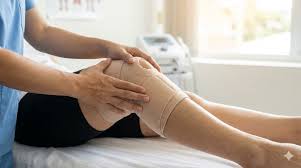
Minimally Invasive Orthopaedic Surgery in Nagpur – Treatment by Dr. Siddharth Jain
Understanding Minimally Invasive Orthopaedic Surgery in Nagpur
Many patients searching for minimally invasive orthopaedic surgery in Nagpur want effective solutions for joint pain, ligament injuries, or structural problems without the extended recovery associated with traditional open surgery. Minimally invasive techniques use smaller incisions and specialized instruments to access internal joint structures, which often leads to less pain, reduced scarring, and quicker rehabilitation. At Asian Institute of Advanced Surgeries, patients receive careful clinical assessment to determine whether minimally invasive procedures are appropriate for their condition. Dr. Siddharth Jain emphasizes precise diagnosis and personalized planning before recommending surgery.
What Is Minimally Invasive Orthopaedic Surgery
Minimally invasive orthopaedic surgery involves using small incisions and specialized tools, including cameras, to visualize and treat internal joint issues without large surgical openings. For example, procedures such as arthroscopy allow surgeons to examine and repair structures like ligaments, cartilage, and tendons under direct vision. These techniques reduce soft‑tissue disruption and typically lead to less postoperative discomfort compared to traditional open surgery. When patients choose minimally invasive orthopaedic surgery in Nagpur, they often experience faster return to daily movement and shorter hospital stays.
Conditions Treated With Minimally Invasive Techniques
Many orthopaedic injuries and conditions can be managed using minimally invasive approaches. Patients seeking minimally invasive orthopaedic surgery in Nagpur often present with knee ligament tears, meniscus injuries, shoulder rotator cuff problems, ankle instability, and cartilage damage. Additionally, chronic joint pain due to early arthritis or repetitive strain may sometimes benefit from arthroscopic evaluation. These procedures help identify and address underlying problems that contribute to pain and limited mobility. Dr. Siddharth Jain evaluates each case individually to determine whether arthroscopy or another minimally invasive technique is the best option.
How Minimally Invasive Surgery Works
During minimally invasive orthopaedic procedures, surgeons make small incisions through which a miniature camera and instruments are inserted. The camera projects high‑resolution images to a monitor, allowing precise visualization of the joint’s internal structures. Surgeons then use specialized tools to repair ligaments, trim damaged cartilage, or address other issues while preserving surrounding tissues. Because the approach avoids large incisions, patients usually experience less postoperative pain and faster functional recovery. Dr. Siddharth Jain uses this method to ensure accurate treatment tailored to each patient’s specific diagnosis.
Advantages of Minimally Invasive Orthopaedic Surgery
Patients opting for minimally invasive orthopaedic surgery in Nagpur often benefit from smaller scars, reduced tissue trauma, and reduced postoperative discomfort. Additionally, because the procedure involves less soft‑tissue disruption, the risk of complications such as infection or prolonged stiffness may be lower. Rehabilitation typically begins sooner than with open surgery, and many patients regain strength and mobility more quickly with guided physiotherapy. Furthermore, shorter hospital stays and earlier return to daily activities make minimally invasive care a preferred choice for many individuals.
Who Is a Suitable Candidate for Minimally Invasive Surgery
Not everyone with a musculoskeletal problem is a candidate for minimally invasive techniques. Ideal candidates for minimally invasive orthopaedic surgery in Nagpur are patients whose injuries or structural issues can be addressed without large surgical openings. This includes many ligament tears, meniscal injuries, cartilage damage, and soft‑tissue problems around joints. During evaluation at Asian Institute of Advanced Surgeries, Dr. Siddharth Jain uses clinical examination and imaging studies such as MRI or ultrasound to determine whether the condition can be treated effectively with a minimally invasive method.
Diagnostic Evaluation Before Surgery
Before recommending minimally invasive orthopaedic surgery, accurate diagnosis is essential. The evaluation typically begins with a detailed history of symptoms, activity patterns, and injury onset. This is followed by physical examination to assess joint stability, range of motion, and strength. Imaging tools such as X‑rays or MRI scans may be used to visualize bone alignment, cartilage status, and soft‑tissue integrity. These investigations help Dr. Siddharth Jain determine whether a minimally invasive approach is suitable and identify precise targets for surgical repair.
Non‑Surgical Management and When Surgery Is Considered
Many musculoskeletal conditions improve with non‑surgical management initially. This often includes physiotherapy focused on strengthening muscles surrounding the joint, improving flexibility, and enhancing functional movement. Activity modification, pain relief medication, and supportive devices such as braces or orthotics may also help reduce symptoms. However, when pain persists or functional limitations continue despite conservative care, minimally invasive orthopaedic surgery in Nagpur may be considered as the next step to address underlying structural problems.
Role of Arthroscopy in Minimally Invasive Surgery
Arthroscopy is a core technique in minimally invasive orthopaedic surgery. It allows surgeons to view internal joint structures with a small camera inserted through tiny incisions. The high‑definition images help identify and treat problems such as meniscal tears, ligament injuries, and cartilage damage. Compared to open surgery, arthroscopy typically causes less soft‑tissue disruption and leads to faster recovery. Dr. Siddharth Jain performs arthroscopic procedures at Asian Institute of Advanced Surgeries with a focus on accurate diagnosis and patient comfort.
Recovery After Minimally Invasive Orthopaedic Surgery
Recovery following minimally invasive orthopaedic surgery in Nagpur varies depending on the specific procedure and extent of injury. In general, because the incisions are small and tissue disruption is limited, patients experience less postoperative pain and swelling. Early rehabilitation begins with gentle range of motion exercises and gradually progresses to strength and balance training. Physiotherapy plays an important role in restoring function and helping patients regain confidence in movement. Dr. Siddharth Jain guides each patient through a tailored rehabilitation plan that supports safe and effective recovery.
Preventive Strategies to Protect Joint Health
Maintaining joint health after minimally invasive surgery involves lifestyle habits that support strength, flexibility, and balanced movement. Regular muscle conditioning helps stabilize joints and distribute load evenly during activity. Low‑impact exercises such as swimming and cycling improve fitness while reducing stress on joints. Maintaining healthy body weight also decreases pressure on weight‑bearing joints like knees and hips. Patients who undergo minimally invasive orthopaedic surgery in Nagpur are encouraged to adopt these preventive strategies to protect long‑term joint function.
Lifestyle Habits That Complement Surgical Recovery
Balanced nutrition, adequate hydration, and proper rest also contribute to better recovery and overall musculoskeletal health. Consuming nutrients such as protein, calcium, and vitamin D supports tissue repair and bone strength. Moreover, avoiding habits that interfere with healing, such as smoking, helps improve surgical outcomes. Patients following healthy lifestyle habits alongside guided rehabilitation often experience better functional outcomes and sustained mobility after minimally invasive procedures.
Why Choose Minimally Invasive Orthopaedic Surgery With Dr. Siddharth Jain at Asian Institute of Advanced Surgeries
Individuals seeking minimally invasive orthopaedic surgery in Nagpur value expert evaluation, personalized surgical planning, and a clear understanding of their condition. At Asian Institute of Advanced Surgeries, Dr. Siddharth Jain emphasizes thorough assessment, precise surgical technique, and structured rehabilitation planning. Each consultation involves detailed discussion about diagnosis, surgical goals, recovery expectations, and long‑term joint protection strategies. This patient‑centered approach helps individuals gain confidence in their surgical care and move toward meaningful improvement in mobility and quality of life.
FAQs
1. What is the main benefit of minimally invasive orthopaedic surgery?
Minimally invasive surgery typically leads to smaller incisions, reduced pain, quicker recovery, and less scarring compared to traditional open surgery.
2. Which conditions can be treated with minimally invasive techniques?
Common conditions treated include ligament tears, meniscal injuries, cartilage damage, and soft‑tissue problems affecting joints such as the knee, shoulder, and ankle.
3. How long is recovery after minimally invasive surgery?
Recovery time varies by procedure, but many patients begin rehabilitation soon after surgery and return to daily activities faster than with open surgery.
4. Is minimally invasive surgery suitable for everyone?
Not all conditions are suitable for minimally invasive approaches. A detailed evaluation by an orthopaedic specialist determines whether it is appropriate for an individual’s specific injury.
5. Does minimally invasive surgery reduce the risk of complications?
Because smaller incisions and less tissue disruption are involved, risks such as infection, postoperative pain, and prolonged stiffness are often reduced.
Book Appointment with Dr. Siddharth Jain at AIAS
If you are experiencing joint discomfort, restricted movement, or any musculoskeletal concerns, scheduling a consultation with Dr. Siddharth Jain can help you better understand your condition and explore appropriate care options. Early evaluation often helps patients address symptoms before they begin to interfere with everyday activities and mobility.
Consultations are available at Asian Institute of Advanced Surgeries (AIAS) in Nagpur, where patients receive a structured orthopaedic assessment focused on identifying factors affecting bone, joint, and movement health. During the visit, individuals can discuss their symptoms, medical history, lifestyle habits, and physical activity levels.