
Microsurgery Procedures
Understanding the Condition or Treatment – Microsurgery Procedures
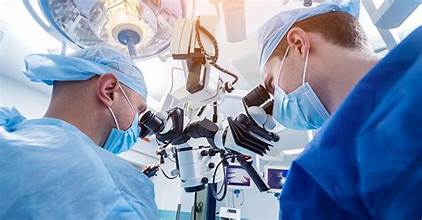
Microsurgery procedures represent one of the most advanced techniques in reconstructive surgery, allowing surgeons to repair delicate tissues with extreme precision. Because these procedures involve operating on very small blood vessels and nerves using specialized microscopes and instruments, they are commonly used in complex trauma reconstruction, nerve repair, and tissue transfer surgeries. As a result, microsurgery has significantly improved outcomes for patients who previously had limited treatment options.
At the Asian Institute Of Advanced Surgeries, microsurgery procedures are performed under the expertise of Dr. Siddharth Mendiratta, who focuses on restoring both function and appearance after severe injuries or tissue loss. Moreover, microsurgical techniques enable surgeons to reconnect tiny blood vessels, ensuring that transplanted tissues receive adequate blood supply.
In many cases, these procedures are used when conventional surgical techniques cannot provide satisfactory results. For instance, patients with traumatic limb injuries, nerve damage, or complex wounds may benefit from microsurgical reconstruction. Consequently, the procedure helps preserve limb function and supports long-term recovery.
Furthermore, microsurgery requires extensive training and precision. Therefore, patients seeking advanced reconstructive solutions often choose specialized centers like the Asian Institute Of Advanced Surgeries, where comprehensive evaluation and tailored treatment plans are available.
Symptoms or When to Seek Care
Patients may require microsurgery procedures when injuries or conditions involve delicate tissues that cannot heal properly on their own. For example, severe trauma affecting nerves, blood vessels, or soft tissues often requires specialized surgical intervention to restore normal function. Therefore, recognizing early signs that require medical attention becomes essential.
Persistent numbness, loss of sensation, or weakness in a limb may indicate nerve injury that requires microsurgical repair. Similarly, patients experiencing reduced blood flow to an injured area may notice discoloration, coldness, or delayed wound healing. In such situations, prompt evaluation becomes critical because early treatment often improves surgical outcomes.
In addition, individuals who have undergone previous surgeries but continue to experience functional limitations may benefit from further assessment. Dr. Siddharth Mendiratta carefully evaluates these cases at the Asian Institute Of Advanced Surgeries to determine whether microsurgery procedures can restore function or improve recovery.
Furthermore, patients with complex wounds, tissue loss, or severe burns may require microsurgical reconstruction to rebuild damaged areas. Consequently, seeking early consultation helps ensure that the appropriate surgical strategy is planned before complications develop.
Causes or Risk Factors
Several medical situations can lead to the need for microsurgery procedures. Most commonly, traumatic injuries caused by road accidents, industrial incidents, or sports injuries result in damage to nerves and blood vessels. Because these structures are extremely small, repairing them requires specialized surgical techniques.
Additionally, certain chronic conditions may increase the risk of tissue damage requiring microsurgery. For example, untreated infections, delayed wound healing, or severe burns can cause extensive tissue loss. In such cases, microsurgical reconstruction may be required to restore circulation and promote healing.
Moreover, patients who experience nerve compression or traumatic nerve injuries may develop long-term functional impairment if treatment is delayed. Therefore, timely evaluation by an experienced specialist such as Dr. Siddharth Mendiratta is essential.
At the Asian Institute Of Advanced Surgeries, comprehensive assessments help identify the underlying cause of tissue damage and determine whether microsurgery procedures are necessary. As a result, patients receive a treatment approach that focuses not only on repair but also on long-term recovery and function.
Diagnostic Evaluation
Accurate diagnosis plays a crucial role in planning microsurgery procedures. Therefore, a detailed clinical evaluation is usually the first step in determining the extent of tissue damage. During the consultation, Dr. Siddharth Mendiratta carefully reviews the patient’s medical history, injury details, and current symptoms.
In addition, imaging studies may be recommended to assess the condition of nerves, blood vessels, and surrounding tissues. Advanced imaging techniques allow surgeons to understand the precise location and severity of damage before surgery is planned. Consequently, these assessments help improve surgical accuracy.
Furthermore, functional tests may be performed to evaluate nerve activity and blood circulation. These tests provide valuable information about whether the affected area can recover naturally or requires microsurgical repair.
At the Asian Institute Of Advanced Surgeries, diagnostic evaluation is designed to ensure that each patient receives the most appropriate treatment plan. Because microsurgery procedures are highly specialized, thorough assessment helps determine the best surgical strategy for successful outcomes.
Treatment Options
Microsurgery procedures involve several advanced surgical techniques designed to repair delicate structures. For instance, surgeons may reconnect tiny blood vessels during tissue transfer procedures to restore circulation in damaged areas. As a result, healthy tissue can be successfully transplanted to reconstruct injured regions.
Another common application involves nerve repair. When nerves are severed or severely damaged, microsurgical techniques allow precise reconnection of nerve endings. Consequently, this may help restore sensation and muscle function over time.
Additionally, microsurgery procedures are frequently used in complex wound reconstruction. In cases where large areas of tissue have been lost, surgeons may transfer tissue from another part of the body while reconnecting small blood vessels to ensure survival of the transplanted tissue.
At the Asian Institute Of Advanced Surgeries, Dr. Siddharth Mendiratta carefully selects the most suitable microsurgical technique based on the patient’s condition. Because every injury is unique, treatment plans are customized to maximize recovery and functional improvement.
Benefits of Early Treatment
Early intervention plays a significant role in the success of microsurgery procedures. When tissue damage is addressed promptly, surgeons can often restore circulation and nerve connections before permanent complications occur. Therefore, seeking timely care greatly improves the chances of recovery.
In addition, early treatment helps reduce the risk of long-term disability. For example, delayed nerve repair may lead to permanent weakness or loss of sensation. However, microsurgical repair performed at the appropriate time may significantly improve nerve regeneration.
Furthermore, addressing tissue damage early helps prevent secondary complications such as infection or tissue death. Because microsurgery procedures restore blood flow and structural integrity, healing becomes more effective.
At the Asian Institute Of Advanced Surgeries, Dr. Siddharth Mendiratta emphasizes early evaluation for patients with complex injuries. Consequently, timely treatment allows patients to regain mobility, function, and confidence in their daily activities.
Recovery and Rehabilitation After Microsurgery
Recovery after microsurgery procedures varies depending on the type of surgery performed and the severity of the original injury. However, rehabilitation plays an essential role in achieving the best possible outcome. Therefore, patients are typically guided through a structured recovery plan.
Initially, careful monitoring ensures that the repaired tissues or transferred tissue maintain adequate blood supply. During this phase, patients may need to limit movement in the treated area while healing begins.
As recovery progresses, rehabilitation exercises may be introduced to restore strength and mobility. Because nerve healing occurs gradually, patients may notice improvements over several months. Nevertheless, consistent rehabilitation often leads to better long-term results.
Dr. Siddharth Mendiratta closely supervises the recovery process at the Asian Institute Of Advanced Surgeries to ensure that patients regain maximum function. Consequently, personalized rehabilitation strategies help support both physical recovery and daily activity restoration.
Preventive Care or Lifestyle Tips for Microsurgery Procedures
Although microsurgery procedures treat complex injuries, certain preventive measures can help reduce the risk of severe tissue damage. For instance, workplace safety practices and protective equipment significantly reduce the likelihood of traumatic injuries involving nerves and blood vessels.
Additionally, maintaining good overall health supports faster recovery after injuries. Proper nutrition, regular exercise, and timely medical care contribute to better healing outcomes. Therefore, patients are encouraged to address injuries promptly rather than delaying treatment.
Furthermore, individuals recovering from previous injuries should follow medical advice regarding physical activity and rehabilitation. Doing so helps prevent further complications that might require surgical intervention.
At the Asian Institute Of Advanced Surgeries, Dr. Siddharth Mendiratta also provides guidance on injury prevention and long-term tissue health. As a result, patients gain a better understanding of how to protect their physical well-being.
Why Choose Dr. Siddharth Mendiratta at Asian Institute Of Advanced Surgeries
Choosing the right specialist is crucial for complex surgical procedures such as microsurgery. Because these operations require exceptional precision and advanced training, patients benefit from experienced surgical expertise.
Dr. Siddharth Mendiratta is known for his focused approach to reconstructive and microsurgical procedures. At the Asian Institute Of Advanced Surgeries, patients receive thorough evaluation, detailed surgical planning, and personalized care tailored to their specific condition.
Moreover, the institute is equipped with advanced surgical facilities that support highly specialized procedures. This environment allows microsurgery procedures to be performed with accuracy and safety.
In addition, patient care focuses not only on surgical success but also on long-term functional recovery. Consequently, individuals undergoing treatment at the Asian Institute Of Advanced Surgeries receive comprehensive care designed to restore both form and function.
Conclusion – Microsurgery Procedures
Microsurgery procedures have transformed the field of reconstructive surgery by enabling surgeons to repair delicate structures with remarkable precision. As a result, patients with complex injuries, nerve damage, or severe tissue loss now have access to advanced treatment options that can restore both function and appearance.
Early evaluation and specialized surgical care significantly improve the success of these procedures. Therefore, individuals experiencing symptoms related to nerve damage, tissue loss, or complicated wounds should consider seeking expert assessment.
At the Asian Institute Of Advanced Surgeries, Dr. Siddharth Mendiratta provides advanced microsurgical care tailored to each patient’s needs. Through careful diagnosis, precise surgical techniques, and structured recovery plans, patients are supported throughout their treatment journey.
Ultimately, microsurgery procedures offer hope for individuals facing challenging reconstructive conditions by helping them regain mobility, independence, and quality of life.
FAQs – Microsurgery Procedures
1. What are microsurgery procedures used for?
Microsurgery procedures are used to repair tiny blood vessels and nerves during complex reconstructive surgeries, trauma repairs, and tissue transfers.
2. How long does recovery take after microsurgery procedures?
Recovery varies depending on the procedure and injury severity, but nerve healing and functional improvement may continue for several months.
3. Are microsurgery procedures safe?
Yes, when performed by experienced surgeons such as Dr. Siddharth Mendiratta at the Asian Institute Of Advanced Surgeries, these procedures are carefully planned to ensure patient safety.
4. When should someone consider microsurgery procedures?
Patients with severe trauma, nerve injuries, or complex wounds that cannot heal with conventional treatment may require microsurgical intervention.
5. Can microsurgery restore nerve function completely?
While results vary, early microsurgical repair can significantly improve nerve recovery and help restore sensation or movement in many cases.
Book an Appointment with Dr. Siddharth Mendiratta
Patients experiencing structural changes due to injury, medical conditions, or previous surgeries may consider scheduling a consultation. An early evaluation helps determine whether reconstructive plastic surgery may provide functional or structural improvement.
During the appointment at Asian Institute Of Advanced Surgeries, Dr. Siddharth Mendiratta reviews the patient’s concerns and performs a detailed clinical assessment. Therefore, the consultation provides a clear understanding of the available treatment options.
In addition, patients have the opportunity to discuss recovery expectations and surgical planning. Consequently, this discussion allows individuals to make informed decisions about their healthcare.
Scheduling an appointment ensures that patients receive professional guidance and a structured treatment plan designed specifically for their condition.