Asian Institute Of Advanced Surgeries


hat Is a Meniscus Tear?
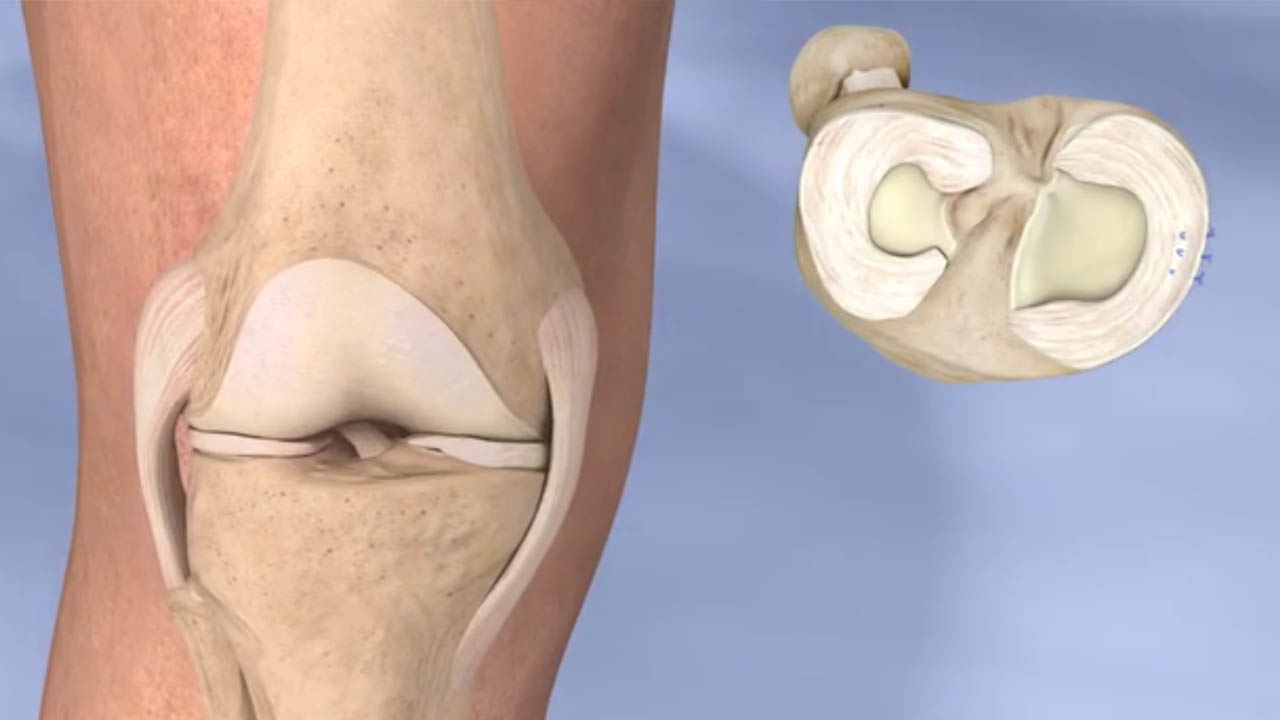
he meniscus consists of two strong pieces of cartilage inside the knee. These structures sit between the thigh bone and shin bone. Moreover, they help absorb shock, improve knee stability, and support smooth joint movement.
A sudden twist, sports injury, fall, or awkward movement can tear the meniscus. However, age-related changes can also make the meniscus weaker and more likely to tear. Therefore, both younger and older adults can develop this knee problem.
What Causes a Meniscus Tear?
Several situations can damage the meniscus. In addition, certain sports and daily activities can place extra stress on the knee.
Common causes include:
- Sudden twisting of the knee
- Sports injuries
- Deep squatting
- Direct impact on the knee
- Sudden changes in direction
- Falls or accidents
- Repeated knee stress
- Age-related cartilage changes
- Previous knee injuries
Moreover, athletes who play football, cricket, basketball, tennis, or other sports may face a higher risk. Therefore, proper warm-up, strength training, and safe movement can help reduce injury risk.
Meniscus Tear Symptoms
A meniscus tear can cause different symptoms depending on the tear type and location. However, some people experience mild symptoms at first and notice more discomfort during physical activity.
Common symptoms include:
- Knee pain
- Swelling around the knee
- Knee stiffness
- Difficulty bending the knee
- Difficulty straightening the knee
- Clicking or popping sounds
- A feeling of knee instability
- Trouble walking
- Pain while squatting
- Pain while climbing stairs
- A locking or catching sensation
Moreover, some patients feel pain when they twist or turn the knee. As a result, everyday activities may become uncomfortable.
When Should You See an Orthopedic Specialist?
How Do Doctors Diagnose a Meniscus Tear?
Meniscus Tear Repair In Nagpur
An orthopedic doctor usually starts with a detailed discussion about your symptoms and injury. Moreover, the doctor checks knee movement, tenderness, swelling, stability, and pain during specific movements.
Doctors may recommend imaging tests when necessary. These tests can help provide a clearer view of the knee.
MRI Scan
An MRI can show the meniscus and other soft tissues inside the knee. Therefore, doctors often use MRI findings to understand the tear and plan treatment.
X-Ray
An X-ray does not usually show the meniscus itself. However, it can help doctors check the bones and rule out other causes of knee pain.
Meniscus Tear Repair In Nagpur
Meniscus Tear Treatment Options
Treatment depends on several factors. These include your age, symptoms, activity level, tear location, tear size, and overall knee health.
Moreover, not every meniscus tear requires surgery. Therefore, an orthopedic specialist may first recommend non-surgical care when it suits your condition.
Rest and Activity Modification
Reducing activities that increase knee pain can give the joint time to settle. However, complete inactivity may not always help. Therefore, follow your doctor’s advice about safe movement and daily activities.
Ice and Support
Ice may help reduce swelling and discomfort after an injury. In addition, a knee support may provide temporary comfort in selected cases.
Medicines
Doctors may recommend suitable medicines to control pain and inflammation. However, you should use medicines only according to professional advice.
Physiotherapy
Physiotherapy can improve knee strength, flexibility, balance, and movement. Moreover, targeted exercises can strengthen the muscles around the knee and support better joint function.
Meniscus Tear Surgery
Some tears may need surgical treatment, especially when symptoms continue despite non-surgical care. In addition, a displaced tear may cause locking or significant movement problems.
An orthopedic surgeon may recommend arthroscopic meniscus surgery after evaluating the knee.
What Is Meniscus Tear Repair Surgery?
Meniscus Tear Repair In Nagpur
Meniscus repair surgery aims to preserve and repair the damaged meniscus whenever the tear has a good chance of healing. Moreover, surgeons consider the blood supply, tear pattern, location, and tissue quality before choosing repair.
During arthroscopic surgery, the surgeon makes small openings around the knee. Therefore, the procedure usually causes less damage to surrounding tissues than traditional open surgery.
The surgeon inserts a small camera into the knee to view the damaged area. In addition, special instruments allow the surgeon to repair the torn meniscus when appropriate.
Meniscus Repair vs Meniscectomy
Doctors may choose between meniscus repair and partial meniscectomy based on the tear.
Meniscus Repair
During repair, the surgeon places the torn tissue back into a suitable position and secures it with specialized techniques. Moreover, this approach aims to preserve healthy meniscus tissue.
Partial Meniscectomy
Sometimes, the damaged portion cannot heal properly or cannot support repair. Therefore, the surgeon may remove the unstable damaged section while preserving as much healthy meniscus as possible.
Your surgeon will recommend the suitable option after examining your knee and reviewing imaging results.
Who May Need Meniscus Tear Repair?
Meniscus Tear Repair In Nagpur
Meniscus repair may suit patients with certain tear patterns and healthy tissue. Moreover, younger active patients may benefit from tissue-preserving treatment when the tear has good healing potential.
However, age alone does not determine the treatment. Therefore, doctors consider the complete condition of the knee before recommending surgery.
Meniscus repair may become an option when:
- The tear causes ongoing pain
- The knee repeatedly locks or catches
- Symptoms continue after conservative care
- The tear has repairable characteristics
- The patient needs better knee function
- The injury affects sports or daily activities
Benefits of Meniscus Tear Repair
Meniscus repair focuses on preserving the natural knee structure. Moreover, keeping healthy meniscus tissue can support normal knee function.
Potential benefits include:
- Preservation of healthy meniscus tissue
- Better knee stability
- Improved joint function
- Reduced mechanical symptoms
- Support for long-term knee health
- Better return to daily activities
However, results can vary from person to person. Therefore, your orthopedic surgeon will explain the expected outcome based on your injury.
Recovery After Meniscus Repair
Recovery takes time because the repaired tissue needs adequate healing. Moreover, your doctor may limit certain movements during the early recovery period.
Your recovery plan may include:
- Temporary activity restrictions
- Knee support or brace
- Controlled weight-bearing
- Physiotherapy
- Range-of-motion exercises
- Strengthening exercises
- Gradual return to normal activities
Therefore, follow your rehabilitation plan carefully. In addition, avoid returning to running, jumping, or sports too quickly.
Physiotherapy After Meniscus Surgery
Physiotherapy plays an important role after meniscus surgery. Moreover, a physiotherapist can create exercises based on your recovery stage.
Early exercises may focus on swelling control, gentle movement, and muscle activation. Later, the program may include strength, balance, coordination, and functional exercises.
As a result, structured rehabilitation can help you regain better knee movement and confidence.