
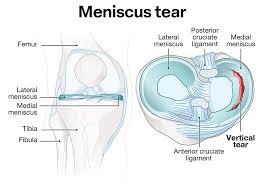
Meniscus Tear Repair in Nagpur – Treatment by Dr. Siddharth Jain
A meniscus tear often causes knee pain, swelling, and difficulty with bending or twisting movements; therefore, effective meniscus tear repair in Nagpur can help restore joint function and reduce the risk of long‑term damage. The meniscus is a C‑shaped cartilage cushion that helps absorb shock in the knee, and when it tears, balance and stability can be affected even with simple everyday movements. At Asian Institute of Advanced Surgeries, patients receive a comprehensive orthopedic assessment that focuses on identifying the exact type and location of the tear. Moreover, Dr. Siddharth Jain evaluates the nature of symptoms, physical findings, and imaging results before formulating a tailored treatment strategy. Consequently, individuals gain clarity on whether non‑surgical care or surgical repair is appropriate based on tear severity.
Understanding Meniscus Tears
Meniscus tears occur when the cartilage in the knee becomes stretched or ripped due to sudden twisting movements, sports injuries, or age‑related degeneration. At Asian Institute of Advanced Surgeries, Dr. Siddharth Jain begins evaluation with careful physical tests that assess knee movement, pain patterns, and stability. These clinical findings are then correlated with imaging studies such as MRI scans to confirm the type and severity of the tear. Accurately identifying the tear is essential because treatment options vary from conservative care to surgical repair. Therefore, understanding the nature of the injury helps patients make informed decisions about the most suitable treatment path for long‑term knee health.
Common Causes of Meniscus Tears
Several factors contribute to meniscus tears. Younger individuals often experience tears due to sports activities involving running, jumping, or sudden direction changes that place strain on the knee cartilage. In contrast, older adults may develop degenerative tears because cartilage weakens over time and becomes more susceptible to injury. Additionally, traumatic incidents such as falls, direct impact, or twisting accidents can cause acute meniscus injuries. At Asian Institute of Advanced Surgeries, Dr. Siddharth Jain evaluates the mechanism of injury along with lifestyle and activity levels to understand how the tear occurred. Consequently, this holistic assessment guides effective treatment planning.
Symptoms That Suggest a Meniscus Tear
Common symptoms of a meniscus tear include sudden knee pain at the time of injury, swelling within a few hours, and difficulty bending or straightening the knee fully. Many patients also report a catching sensation or a feeling that the knee may lock during movement. Instability and discomfort during everyday activities like walking or climbing stairs often prompt individuals to seek medical evaluation. Consulting a specialist for meniscus tear repair in Nagpur becomes important when symptoms persist and interfere with daily function. At Asian Institute of Advanced Surgeries, Dr. Siddharth Jain carefully analyzes symptom patterns and functional limitations to determine the most appropriate treatment approach.
Diagnostic Evaluation by Dr. Siddharth Jain
Accurate diagnosis is key to effective meniscus tear treatment. Therefore, orthopedic evaluation begins with a detailed medical history and physical examination that assesses joint movement, pain triggers, and function. At Asian Institute of Advanced Surgeries, Dr. Siddharth Jain combines clinical findings with imaging studies such as MRI scans to visualize cartilage damage and identify the exact tear location. These detailed diagnostic methods help differentiate meniscus tears from other knee injuries such as ligament damage or arthritis. Consequently, patients receive a clear explanation of their injury and a tailored treatment plan based on precise findings rather than guesswork.
Non‑Surgical Management for Meniscus Tears
Not all meniscus tears require surgery. Many partial or stable tears respond well to conservative care that focuses on reducing pain and restoring functional movement. Physiotherapy exercises strengthen surrounding muscles, improve balance, and support joint stability. Additionally, controlled activity modification helps protect the injured cartilage as it heals. At Asian Institute of Advanced Surgeries, Dr. Siddharth Jain emphasizes careful monitoring of patients undergoing conservative management. Therefore, some individuals experience significant improvement in symptoms without surgical intervention, especially when the tear is mild and functional limitations are minimal.
Surgical Meniscus Tear Repair Techniques
When conservative care fails to relieve symptoms or when the tear is complex, surgical repair may be necessary. Meniscus repair aims to preserve as much cartilage as possible while restoring knee stability. Arthroscopic surgery is commonly used because it involves small incisions and specialized instruments that minimize tissue disruption. At Asian Institute of Advanced Surgeries, Dr. Siddharth Jain performs precise arthroscopic meniscus repair that focuses on accurate tear alignment and tissue healing potential. Consequently, surgical intervention helps restore normal knee mechanics, reduces pain, and supports long‑term joint function.
Rehabilitation After Meniscus Repair
Rehabilitation plays a crucial role in recovery following meniscus tear treatment. Initially, controlled movements help maintain joint flexibility without stressing the repaired area. As healing progresses, physiotherapy focuses on strengthening the muscles surrounding the knee, improving balance, and restoring functional movement patterns. At Asian Institute of Advanced Surgeries, Dr. Siddharth Jain monitors rehabilitation progress and adjusts therapy plans according to healing milestones. Structured rehabilitation not only enhances recovery but also reduces the risk of future knee problems by improving overall joint stability.
Preventing Future Meniscus Injuries
Protecting knee health requires a combination of muscle strengthening, safe movement habits, and attentive physical conditioning. Regular strengthening exercises for the quadriceps, hamstrings, and surrounding support muscles help stabilize the knee during movement. Additionally, proper warm‑ups before physical activity prepare connective tissues for stress and reduce the likelihood of tears. At Asian Institute of Advanced Surgeries, Dr. Siddharth Jain educates patients on preventive strategies that support knee stability and reduce injury risk. Consequently, individuals learn how daily habits influence long‑term joint durability rather than only focusing on treatment after injury.
Why Choose Dr. Siddharth Jain at Asian Institute of Advanced Surgeries
Selecting a qualified orthopedic specialist influences both short‑term recovery and long‑term knee health. At Asian Institute of Advanced Surgeries, Dr. Siddharth Jain focuses on a structured diagnostic approach that assesses symptom severity, imaging findings, and functional limitations. Initial consultations involve detailed discussion and careful explanation of all treatment options, including conservative care and surgical repair. Additionally, patient education helps individuals understand expected recovery trajectories and rehabilitation requirements. Consequently, patients gain confidence in decision‑making and participate actively in their long‑term joint care strategies.
Long‑Term Knee Care After Meniscus Treatment
Meniscus tears can affect knee mechanics even after initial treatment. Therefore, continued attention to strength, flexibility, and movement patterns supports sustained joint stability. Ongoing physiotherapy sessions, periodic check‑ins, and gradual activity progression help protect the knee from future injury. At Asian Institute of Advanced Surgeries, Dr. Siddharth Jain emphasizes long‑term joint care that extends beyond immediate rehabilitation. Consequently, individuals develop habits that protect their knees and reduce the likelihood of recurrent problems, especially those who remain physically active or participate in sports.
When to Consult Dr. Siddharth Jain for Meniscus Problems
Individuals should seek orthopedic evaluation if they experience persistent swelling, knee pain, instability, or difficulty performing routine movements after a knee injury. Early diagnosis helps determine whether conservative treatment is sufficient or if surgical meniscus repair is necessary. At Asian Institute of Advanced Surgeries, Dr. Siddharth Jain conducts thorough assessments that address both structural injuries and functional limitations. Prompt evaluation improves recovery outcomes and supports better long‑term joint health.
Frequently Asked Questions – Meniscus Tear Repair in Nagpur
1. What causes a meniscus tear?
A meniscus tear occurs when knee cartilage is stretched or ripped due to sudden twisting movements, impact, or age‑related degeneration that weakens the tissue.
2. How is a meniscus tear diagnosed?
Diagnosis involves physical examination, specific movement tests, and MRI scans that show the location and type of cartilage tear.
3. Can meniscus tears heal without surgery?
Yes, many partial or stable tears improve with physiotherapy and activity adjustments. Surgery is recommended when pain persists or functional limitations remain.
4. What does surgical meniscus repair involve?
Surgical repair uses arthroscopic techniques with small incisions that allow doctors to realign torn cartilage and support healing with minimal tissue disruption.
5. How long does recovery take after meniscus repair?
Recovery varies, but structured rehabilitation usually spans weeks to months. Strength and mobility gradually improve with guided physiotherapy.
Book Appointment with Dr. Siddharth Jain at AIAS
If you are experiencing joint discomfort, restricted movement, or any musculoskeletal concerns, scheduling a consultation with Dr. Siddharth Jain can help you better understand your condition and explore appropriate care options. Early evaluation often helps patients address symptoms before they begin to interfere with everyday activities and mobility.
Consultations are available at Asian Institute of Advanced Surgeries (AIAS) in Nagpur, where patients receive a structured orthopaedic assessment focused on identifying factors affecting bone, joint, and movement health. During the visit, individuals can discuss their symptoms, medical history, lifestyle habits, and physical activity levels.