
Long-Lasting Joint Implants – Advancing Durable Joint Replacement Outcomes (United SSH)
Long-Lasting Joint Implants By Dr. Abhishek Bhalotia, practicing at Asian Institute Of Advanced Surgeries,Joint replacement surgery has become one of the most effective treatments for severe joint damage, arthritis, and mobility limitations. However, one of the most important concerns for patients considering joint replacement is how long the implant will last. Fortunately, modern orthopedic advancements have significantly improved implant durability, allowing many patients to enjoy long-lasting joint implants that support mobility for many years.
Long-lasting joint implants are designed using advanced materials, precise surgical techniques, and personalized treatment planning. Because these implants replicate the natural function of joints, patients often experience improved movement, reduced pain, and enhanced quality of life after surgery.
At the Asian Institute Of Advanced Surgeries, modern orthopedic treatments focus on durable joint replacement solutions. Under the expertise of Dr. Abhishek Bhalotia, patients receive advanced implant technologies designed to improve long-term joint performance and surgical success.
Understanding Joint Implants
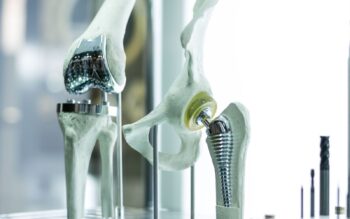
Joint implants are artificial medical devices used to replace damaged joint surfaces. These implants restore movement and reduce pain caused by arthritis, injury, or degenerative conditions.
Common joint replacement procedures include:
- Knee replacement surgery
- Hip replacement surgery
- Shoulder joint replacement
- Partial joint replacement procedures
Because these implants replicate natural joint movement, patients often regain mobility and comfort after surgery.
Importance of Long-Lasting Joint Implants
Implant durability plays a crucial role in orthopedic treatment success.
Reduced Need for Revision Surgery
When implants last longer, patients are less likely to require additional surgeries.
Improved Quality of Life
Long-lasting implants allow patients to remain active for many years.
Greater Patient Confidence
Knowing that the implant will function effectively provides reassurance for patients undergoing surgery.
Cost-Effective Treatment
Durable implants reduce long-term medical costs associated with repeat procedures.
Materials Used in Modern Joint Implants
Orthopedic implants are made from highly durable and biocompatible materials.
Titanium Alloys
Titanium implants are strong, lightweight, and resistant to corrosion. Therefore, they are commonly used in orthopedic surgery.
Cobalt-Chromium Alloys
These metals provide excellent durability and resistance to wear.
Medical-Grade Polyethylene
This plastic material acts as a smooth surface that allows joint components to move easily.
Ceramic Materials
Ceramic implants offer low friction and high durability, which contributes to longer implant life.
Because these materials are carefully engineered, modern implants often last decades.
Factors That Influence Implant Longevity
Several factors determine how long a joint implant will last.
Surgical Precision
Accurate implant placement ensures proper joint alignment and reduces wear.
Patient Activity Level
High-impact activities may increase stress on implants.
Body Weight
Excess body weight places additional pressure on joint replacements.
Rehabilitation and Recovery
Proper rehabilitation helps strengthen muscles that support the joint.
Orthopedic specialists such as Dr. Abhishek Bhalotia carefully consider these factors when planning joint replacement procedures.
Role of Advanced Surgical Techniques
Modern surgical techniques contribute significantly to implant durability.
Precision Surgical Planning
Pre-operative imaging and digital planning allow surgeons to determine the optimal implant size and position.
Minimally Invasive Surgery
Smaller incisions reduce tissue damage and improve recovery outcomes.
Robotic-Assisted Surgery
Robotic technology improves surgical accuracy and implant placement.
Because these technologies enhance precision, implants function more efficiently after surgery.
Advanced orthopedic centers such as the Asian Institute Of Advanced Surgeries utilize these techniques to improve joint replacement outcomes.
Rehabilitation After Joint Replacement
Rehabilitation plays a vital role in maintaining implant performance.
Rehabilitation programs typically focus on:
- Restoring joint flexibility
- Strengthening surrounding muscles
- Improving balance and coordination
- Gradually increasing activity levels
Through structured rehabilitation, patients regain confidence in joint movement while protecting the implant.
Lifestyle Habits That Protect Joint Implants
Patients can help extend implant lifespan by following healthy lifestyle practices.
Maintain Healthy Body Weight
Weight management reduces pressure on joint implants.
Engage in Low-Impact Activities
Swimming, walking, and cycling are recommended exercises after joint replacement.
Avoid High-Impact Sports
Activities that involve jumping or sudden movements may stress the implant.
Follow Medical Advice
Regular follow-up visits allow doctors to monitor implant health.
Signs That May Indicate Implant Problems
Although modern implants are durable, patients should monitor their joint health.
Possible warning signs include:
- Persistent joint pain
- Swelling around the joint
- Difficulty walking
- Reduced range of motion
If these symptoms occur, patients should consult their orthopedic specialist promptly.
Benefits of Long-Lasting Joint Implants
Durable implants provide numerous advantages for patients.
- Long-term pain relief
- Improved joint stability
- Better mobility and flexibility
- Reduced need for repeat surgeries
- Enhanced overall quality of life
These benefits demonstrate the importance of modern implant technology in orthopedic care.
When to Consult an Orthopedic Specialist ?
Patients experiencing severe joint pain or limited mobility should seek professional evaluation.
Consultation with an orthopedic specialist helps determine whether joint replacement or other treatments may improve joint health.
Patients seeking advanced orthopedic care may consult specialists at the Asian Institute Of Advanced Surgeries, where experienced surgeon Dr. Abhishek Bhalotia provides comprehensive joint replacement solutions.
Frequently Asked Questions (FAQs)
How long do modern joint implants last?
Many modern joint implants last 15 to 20 years or longer when properly maintained.
What factors affect implant lifespan?
Implant alignment, patient activity level, body weight, and rehabilitation all influence durability.
Are modern implants stronger than older implants?
Yes. Advances in materials and surgical techniques have significantly improved implant durability.
Can joint implants wear out over time?
Although implants are highly durable, they may gradually wear over many years of use.
How can patients protect their joint implants?
Maintaining healthy weight, following rehabilitation exercises, and avoiding high-impact activities help protect implants.
Book Appointment with Dr. Abhishek Bhalotia at AIAS
If you are experiencing joint discomfort, restricted movement, or any musculoskeletal concerns, scheduling a consultation with Dr. Abhishek Bhalotia, MS Ortho, Fellow Joint Replacement (Hyd, UK), Robotic Joint Replacement Surgeon, can help you better understand your condition and explore appropriate care options. Early evaluation often helps patients address symptoms before they begin to interfere with everyday activities and mobility.
Consultations are available at Asian Institute of Advanced Surgeries (AIAS) in Nagpur, where patients receive a structured orthopaedic assessment focused on identifying factors affecting bone, joint, and movement health. During the visit, individuals can discuss their symptoms, medical history, lifestyle habits, and physical activity levels with Dr. Abhishek Bhalotia, ensuring a comprehensive evaluation and guidance toward suitable treatment options for improved joint function and mobility.