Asian Institute Of Advanced Surgeries


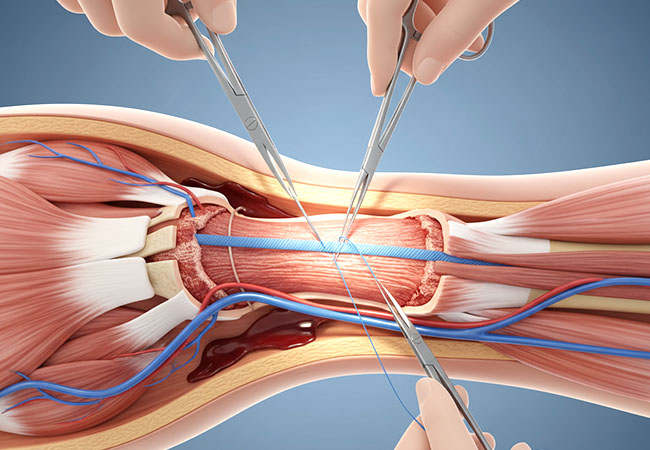
What Are Ligaments And Tendons?
What Causes Ligament And Tendon Injuries?
Several activities can place stress on ligaments and tendons. Moreover, some injuries happen suddenly, while others develop over time.
Common causes include:
- Sports injuries
- Sudden twisting movements
- Falls and accidents
- Heavy lifting
- Repeated movements
- Direct blows to a joint
- Poor landing during sports
- Overuse of muscles and joints
- Age-related tissue changes
Therefore, you should not ignore pain that continues after an injury. Early assessment can help prevent further damage and support better recovery.
Common Ligament And Tendon Repair In Nagpur
Ligament injuries can affect different parts of the body. However, knee and ankle ligament injuries occur often, especially during sports and physical activities.
Common ligament problems include:
- ACL tears
- PCL injuries
- MCL injuries
- LCL injuries
- Ankle ligament injuries
- Shoulder ligament injuries
An ACL tear can affect knee stability and make sports or daily activities difficult. Similarly, an ankle ligament injury may cause swelling, pain, and difficulty walking.
Common Tendon Injuries Ligament And Tendon Repair In Nagpur
Tendon injuries can affect the shoulder, elbow, wrist, knee, ankle, and other areas. Moreover, repeated stress can increase the risk of tendon problems.
Common tendon injuries include:
- Achilles tendon tears
- Rotator cuff tears
- Patellar tendon injuries
- Biceps tendon tears
- Tennis elbow
- Tendon strains
- Tendon inflammation
The symptoms can vary based on the tendon involved. Therefore, an orthopedic evaluation can help identify the problem and guide treatment.
Symptoms Of Ligament And Tendon Injuries
Symptoms depend on the location and severity of the injury. However, many people notice symptoms soon after an injury. In addition, symptoms may vary based on the type of tissue affected and the extent of the damage.
You may experience:
- Pain around the affected joint
- Swelling
- Bruising
- Joint weakness
- Reduced movement
- Difficulty walking
- Joint instability
- Tenderness
- A popping sound during the injury
- Difficulty using the affected limb
Moreover, swelling and tenderness may make normal movements uncomfortable. In addition, joint weakness can affect your balance and stability. As a result, you may find it difficult to walk, exercise, or perform daily activities.
However, a severe tear may cause sudden pain and a significant loss of normal function. Therefore, you should seek medical attention when symptoms become severe or affect your daily activities. Furthermore, early evaluation can help identify the injury and guide appropriate treatment.
When Should You See An Orthopedic Doctor?
You should consider an orthopedic evaluation if pain continues after an injury. In addition, you should seek medical care if you cannot move the affected joint normally.
Consult an orthopedic specialist when you notice:
- Severe pain after an injury
- Sudden swelling
- Joint instability
- Difficulty walking
- Reduced strength
- Limited joint movement
- Repeated pain during activity
- Symptoms that do not improve with rest
Early treatment can help your doctor understand the injury and prevent unnecessary delays. As a result, you can start the right recovery plan sooner.
Diagnosis Of Ligament And Tendon Injuries
Your doctor will first ask about your injury, symptoms, and daily activities. Moreover, the doctor may examine the affected joint and check its movement, strength, and stability.
Depending on your condition, your doctor may recommend imaging tests such as:
- X-ray
- Ultrasound
- MRI scan
An X-ray can help identify bone problems. However, an MRI can provide detailed images of soft tissues such as ligaments and tendons. Therefore, your doctor can select the right test based on your symptoms and examination.
Ligament And Tendon Repair Treatment Options
Treatment depends on the type, location, and severity of the injury. Therefore, every patient may need a different approach.
Non-Surgical Treatment
Some partial tears and less severe injuries can improve without surgery. Moreover, your doctor may recommend:
- Rest
- Ice application
- Pain relief medicines
- Bracing or support
- Activity modification
- Physiotherapy
- Strength exercises
- Flexibility exercises
Physiotherapy can help restore strength and movement. In addition, gradual exercises can prepare the injured area for normal activities.