
Introduction to Knee Replacement Surgery
Knee replacement surgery in Koriya is a highly effective orthopedic procedure designed to relieve chronic knee pain and restore mobility in patients suffering from severe joint damage. The knee joint plays a crucial role in everyday activities such as walking, climbing stairs, and standing. However, conditions like arthritis, injury, or degeneration can significantly affect its function. Therefore, when non-surgical treatments fail to provide relief, knee replacement surgery becomes a reliable solution.
With advancements in medical technology, knee replacement procedures have become safer, more precise, and offer faster recovery. Patients today benefit from improved surgical techniques, better implant materials, and structured rehabilitation programs. As a result, they can regain independence and return to an active lifestyle.
Dr. Siddharth Jain at AIAS provides expert knee replacement surgery for patients in Koriya with a focus on precision, safety, and long-term outcomes.
What is Knee Replacement Surgery?
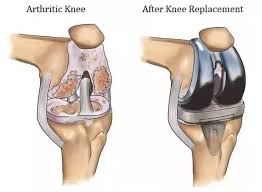
Knee replacement surgery, also known as knee arthroplasty, is a procedure in which damaged parts of the knee joint are replaced with artificial implants made of metal and plastic.
The surgery involves removing worn-out cartilage and bone from the knee and replacing them with prosthetic components that replicate natural joint movement.
This procedure is primarily recommended for patients experiencing severe pain and limited mobility due to joint damage.
Conditions That Require Knee Replacement
Several conditions can lead to severe knee damage and may require surgical intervention:
Osteoarthritis
The most common cause, where cartilage gradually wears down, leading to pain and stiffness.
Rheumatoid Arthritis
An autoimmune condition causing inflammation and joint damage.
Post-Traumatic Arthritis
Develops after injuries such as fractures or ligament tears.
Severe Knee Injury
Damage to cartilage, ligaments, or bone can lead to long-term joint problems.
Patients who experience persistent pain, difficulty walking, swelling, and reduced mobility despite medication or physiotherapy are ideal candidates for knee replacement surgery.
Types of Knee Replacement Surgery
Total Knee Replacement (TKR)
The entire knee joint is replaced with artificial components.
Partial Knee Replacement
Only the damaged portion of the knee is replaced, preserving healthy tissue.
Bilateral Knee Replacement
Both knees are replaced simultaneously or in stages.
The choice of procedure depends on the extent of joint damage and the patient’s condition.
Procedure and Surgical Approach
Knee replacement surgery typically takes about 1 to 2 hours.
During the procedure:
- The surgeon makes an incision over the knee
- Damaged cartilage and bone are removed
- Artificial implants are placed in the joint
- The knee is aligned for smooth movement
Modern techniques often use minimally invasive approaches, which reduce tissue damage and speed up recovery.
Dr. Siddharth Jain follows advanced surgical protocols to ensure precision and optimal outcomes.
Recovery and Rehabilitation
Recovery after knee replacement in Koriya involves a structured rehabilitation process. Patients are encouraged to start movement soon after surgery to improve circulation and prevent stiffness.
Key recovery steps include:
- Early walking with support
- Physiotherapy to restore strength and flexibility
- Pain management and medication
- Regular follow-up consultations
Many patients resume daily activities within a few weeks, while full recovery may take a few months to a year.
Benefits of Knee Replacement Surgery
Knee replacement surgery offers significant improvements in quality of life:
- Relief from chronic knee pain
- Improved mobility and flexibility
- Ability to perform daily activities بسهولة
- Enhanced joint stability
- Long-lasting results with modern implants
The procedure allows patients to return to activities such as walking, climbing stairs, and light exercise without discomfort.
Risks and Safety Considerations
Like any surgical procedure, knee replacement carries some risks, including:
- Infection
- Blood clots
- Implant wear or loosening
- Nerve or tissue damage
However, these risks are minimized when the surgery is performed by an experienced orthopedic surgeon and proper post-operative care is followed.
Why Choose Dr. Siddharth Jain at AIAS
Choosing the right surgeon is essential for successful knee replacement surgery. Dr. Siddharth Jain at AIAS offers:
- Extensive experience in joint replacement procedures
- Expertise in minimally invasive techniques
- Personalized treatment planning
- Comprehensive care from diagnosis to rehabilitation
He focuses on achieving the best possible outcomes while ensuring patient safety and comfort.
Importance of Early Consultation
Delaying treatment for severe knee pain can lead to worsening joint damage and reduced quality of life. Early consultation allows for timely diagnosis and appropriate treatment, which may prevent complications and improve surgical outcomes.
Patients experiencing persistent knee pain, stiffness, or difficulty in movement should seek medical advice promptly.
Frequently Asked Questions
What is knee replacement surgery?
It is a procedure that replaces damaged knee joints with artificial implants.
Who needs knee replacement surgery?
Patients with severe knee pain and limited mobility due to arthritis or injury.
How long does the surgery take?
Usually 1–2 hours.
What is the recovery time?
Most patients recover in a few weeks, with full recovery taking several months.
Is knee replacement surgery safe?
Yes, it is safe when performed by an experienced surgeon.
Will I need physiotherapy?
Yes, rehabilitation is essential for proper recovery.
How long do knee implants last?
They can last 15–20 years or more with proper care.
When can I walk after surgery?
Patients are usually encouraged to walk within a day or two after surgery.
Book Appointment with Dr. Siddharth Jain at AIAS
If you are experiencing joint discomfort, restricted movement, or any musculoskeletal concerns, scheduling a consultation with Dr. Siddharth Jain can help you better understand your condition and explore appropriate care options. Early evaluation often helps patients address symptoms before they begin to interfere with everyday activities and mobility.
Consultations are available at Asian Institute of Advanced Surgeries (AIAS) in Nagpur, where patients receive a structured orthopaedic assessment focused on identifying factors affecting bone, joint, and movement health. During the visit, individuals can discuss their symptoms, medical history, lifestyle habits, and physical activity levels.