
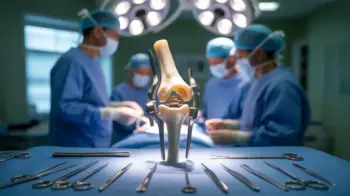
Knee Replacement Surgery in Amravati – Treatment by Dr. Siddharth Jain
Chronic knee pain can gradually reduce mobility and affect everyday activities such as walking or climbing stairs. Therefore, many patients consult a knee replacement surgery in Amravati when joint damage causes persistent discomfort. Knee replacement surgery, also called knee arthroplasty, involves replacing damaged cartilage and bone surfaces with artificial components to restore smoother joint movement.
At Asian Institute of Advanced Surgeries, patients undergo detailed orthopedic assessment before any surgical recommendation is considered. Moreover, Dr. Siddharth Jain evaluates symptoms, imaging reports, and lifestyle factors to understand the underlying cause of knee joint deterioration. Consequently, individuals receive guidance about conservative treatments, rehabilitation, and long-term joint health before exploring surgical options.
Understanding the Role of a Knee Replacement Surgery in Amravati
A knee replacement surgeon focuses on treating severe joint damage that limits mobility and daily function. Therefore, individuals with advanced arthritis or joint injuries may require specialized evaluation. When cartilage inside the knee joint gradually wears down, bones begin rubbing together, causing pain and stiffness. Consequently, walking, standing, or climbing stairs becomes difficult for many patients.
At Asian Institute of Advanced Surgeries, Dr. Siddharth Jain studies knee stability, range of motion, and muscle strength during the examination. Additionally, patients discuss lifestyle habits, past injuries, and physical activity patterns. Therefore, treatment decisions reflect both structural joint damage and overall musculoskeletal health.
Common Conditions Treated by a Knee Replacement Surgery in Amravati
Several orthopedic conditions may lead to severe knee joint deterioration. Osteoarthritis remains the most frequent reason patients require knee replacement surgery because cartilage gradually degenerates over time. Consequently, the protective cushion between bones disappears and painful friction develops during movement.
Additionally, inflammatory disorders such as rheumatoid arthritis may damage joint structures through persistent inflammation. Traumatic injuries or previous fractures can also accelerate cartilage wear. At Asian Institute of Advanced Surgeries, Dr. Siddharth Jain evaluates these conditions through clinical examination and imaging studies. Therefore, treatment plans address both the joint damage and the factors contributing to degeneration.
Symptoms That May Indicate the Need for Knee Replacement
Knee joint problems often develop slowly; however, certain symptoms suggest that specialist evaluation is necessary. Persistent pain during walking, standing, or bending frequently indicates cartilage damage. Additionally, patients may experience swelling, stiffness, or grinding sensations during knee movement.
Many individuals also notice reduced flexibility or difficulty performing everyday tasks. Consequently, activities such as climbing stairs or rising from a chair become uncomfortable. At Asian Institute of Advanced Surgeries, Dr. Siddharth Jain carefully reviews these symptoms to determine the severity of joint damage. Therefore, early medical consultation helps prevent further deterioration and improves long-term joint outcomes.
Diagnostic Approach by Dr. Siddharth Jain at Asian Institute of Advanced Surgeries
Accurate diagnosis is essential before considering knee replacement surgery. Therefore, orthopedic evaluation begins with physical examination and functional movement assessment. At Asian Institute of Advanced Surgeries, Dr. Siddharth Jain analyzes knee alignment, stability, and muscle strength during consultation.
Additionally, imaging tests such as X-rays or MRI scans help identify cartilage loss, bone deformities, or ligament damage. Patients are also encouraged to discuss occupational strain, sports activities, and previous injuries. Thus, treatment planning considers both medical findings and daily lifestyle factors.
Types of Knee Replacement Procedures
Knee replacement procedures vary depending on the severity of joint damage. Total knee replacement involves resurfacing the entire knee joint with artificial components that replace damaged bone and cartilage surfaces.
However, some patients may require partial knee replacement when only one section of the joint is affected. This approach preserves healthy bone while replacing damaged areas. At Asian Institute of Advanced Surgeries, Dr. Siddharth Jain determines the appropriate procedure based on imaging results and clinical findings. Therefore, treatment decisions remain individualized and aligned with the patient’s mobility needs.
Non-Surgical Treatments Before Considering Knee Replacement
Surgery is rarely the first step in orthopedic care. Therefore, doctors often recommend conservative treatments before exploring knee replacement procedures. Physiotherapy strengthens muscles surrounding the knee joint and improves stability.
Additionally, anti-inflammatory medication may temporarily relieve pain and swelling. Lifestyle changes such as weight management also reduce pressure on knee joints. At Asian Institute of Advanced Surgeries, Dr. Siddharth Jain emphasizes rehabilitation programs that promote natural joint function. Consequently, many patients experience symptom relief without immediate surgical intervention.
Recovery and Rehabilitation After Knee Replacement Surgery
Recovery after knee replacement surgery requires structured rehabilitation to restore mobility. Therefore, physiotherapy exercises begin soon after surgery to improve joint flexibility and muscle strength. Patients gradually increase activity levels while protecting the healing joint.
At Asian Institute of Advanced Surgeries, Dr. Siddharth Jain monitors recovery progress through regular follow-up assessments. Additionally, patients learn safe movement patterns to avoid excessive stress on the new joint. Consequently, consistent rehabilitation improves long-term joint stability and functional mobility.
Preventing Knee Joint Damage Through Lifestyle Awareness
Preventive care plays a crucial role in maintaining knee joint health. Therefore, individuals should adopt habits that reduce unnecessary stress on joints. Regular exercise strengthens muscles surrounding the knee and improves flexibility.
Additionally, maintaining healthy body weight decreases pressure on weight-bearing joints. Balanced nutrition also supports bone strength and cartilage health. At Asian Institute of Advanced Surgeries, Dr. Siddharth Jain educates patients about preventive strategies that protect joint function. Consequently, individuals can reduce the risk of long-term orthopedic complications.
Why Choose Dr. Siddharth Jain at Asian Institute of Advanced Surgeries ?
Selecting an orthopedic specialist involves understanding their approach to patient care. At Asian Institute of Advanced Surgeries, Dr. Siddharth Jain focuses on detailed patient evaluation before recommending treatment. The consultation begins with thorough symptom assessment and physical examination.
Additionally, imaging results and lifestyle factors are reviewed carefully to identify underlying causes of knee pain. Patients receive clear explanations regarding their diagnosis and treatment options. Preventive healthcare guidance also forms part of the consultation process. Consequently, individuals gain awareness about joint health and strategies to reduce future orthopedic problems.
Long-Term Knee Care and Joint Health Awareness
Maintaining knee joint health requires continuous attention even after treatment. Therefore, patients should recognize early symptoms such as stiffness, swelling, or persistent discomfort. Early evaluation allows doctors to manage joint problems before severe damage develops.
At Asian Institute of Advanced Surgeries, Dr. Siddharth Jain encourages patients to follow rehabilitation exercises, maintain healthy activity levels, and avoid repetitive joint strain. Consequently, individuals develop habits that support long-term mobility and musculoskeletal wellness.
Frequently Asked Questions – Knee Replacement Surgery in Amravati
1. What is knee replacement surgery?
Knee replacement surgery replaces damaged cartilage and bone surfaces with artificial implants made of metal and plastic. This procedure helps relieve severe knee pain and restore smoother joint movement when conservative treatments fail.
2. Who may need knee replacement surgery?
People with severe arthritis, cartilage degeneration, or long-term knee injuries may require knee replacement surgery. Doctors usually recommend the procedure when persistent pain and stiffness limit daily activities despite medication or physiotherapy.
3. How long does knee replacement surgery take?
Most knee replacement procedures take about one to two hours depending on the severity of joint damage and the type of surgery performed. Surgeons evaluate each patient’s condition before determining the surgical plan.
4. What is the recovery period after knee replacement?
Recovery time varies between individuals; however, rehabilitation usually begins shortly after surgery. Physiotherapy exercises gradually improve mobility and strength, while complete recovery and functional improvement may take several months.
5. How can knee joint damage be prevented?
Maintaining healthy body weight, exercising regularly, and avoiding excessive joint strain help protect knee health. Additionally, early medical consultation for persistent knee pain prevents long-term joint deterioration and mobility limitations.
Book Appointment with Dr. Siddharth Jain at AIAS
If you are experiencing joint discomfort, restricted movement, or any musculoskeletal concerns, scheduling a consultation with Dr. Siddharth Jain can help you better understand your condition and explore appropriate care options. Early evaluation often helps patients address symptoms before they begin to interfere with everyday activities and mobility.
Consultations are available at Asian Institute of Advanced Surgeries (AIAS) in Amravati, where patients receive a structured orthopaedic assessment focused on identifying factors affecting bone, joint, and movement health. During the visit, individuals can discuss their symptoms, medical history, lifestyle habits, and physical activity levels.