
Introduction
Knee replacement surgery in Bijapur is an effective treatment for individuals suffering from severe knee joint damage. Chronic knee pain can affect daily activities such as walking, climbing stairs, or even standing for long periods. When medications and physiotherapy fail to provide relief, knee replacement surgery becomes a suitable option to restore mobility and reduce pain.
Dr. Siddharth Jain, MBBS, MS, DNB, FIAS (England), performs knee replacement surgery in Bijapur at the Asian Institute of Advanced Surgeries (AIAS). As an orthopedic surgeon specializing in joint care and sports injuries, he evaluates the condition of the knee carefully before recommending surgery. His approach focuses on improving joint function and helping patients return to an active lifestyle.
Understanding Knee Replacement Surgery in Bijapur
Knee replacement surgery in Bijapur involves replacing damaged parts of the knee joint with artificial implants. The knee joint consists of bones, cartilage, and ligaments that work together to allow smooth movement. When cartilage wears out, the bones rub against each other, causing pain and stiffness.
Dr. Siddharth Jain evaluates the severity of joint damage using clinical examination and imaging tests. Based on the findings, he determines whether surgery is necessary. The procedure aims to restore smooth movement and reduce pain. Knee replacement surgery helps improve mobility and allows patients to perform daily activities more comfortably.
Conditions That Require Knee Replacement Surgery
Many patients undergo knee replacement surgery in Bijapur due to conditions such as osteoarthritis. This condition gradually damages the cartilage in the knee joint, leading to pain and reduced mobility. It is one of the most common reasons for knee replacement.
Other conditions include rheumatoid arthritis and post-traumatic arthritis caused by injuries. These conditions can damage joint structures and affect normal movement. Dr. Siddharth Jain carefully evaluates the patient’s symptoms and medical history before recommending surgery. When non-surgical treatments do not provide relief, surgery becomes necessary.
Symptoms That Indicate the Need for Knee Replacement Surgery
Persistent pain is one of the main symptoms that indicate the need for knee replacement surgery in Bijapur. Pain may worsen during movement or even occur during rest. Many patients also experience stiffness that limits their ability to bend or straighten the knee.
Other symptoms include swelling, joint instability, and difficulty performing daily tasks. Some individuals may find it hard to walk or climb stairs. Dr. Siddharth Jain evaluates these symptoms to determine the severity of the condition. Early consultation helps prevent further joint damage and improves treatment outcomes.
Diagnosis and Evaluation
Proper diagnosis is essential before performing knee replacement surgery in Bijapur. Accurate evaluation helps determine the extent of joint damage and guides the treatment plan. The process begins with a detailed consultation about symptoms and medical history.
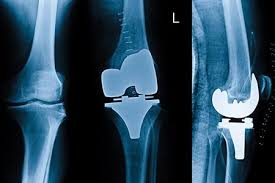
Dr. Siddharth Jain performs a physical examination to assess joint movement and stability. Imaging tests such as X-rays help identify cartilage loss and bone damage. These findings allow the orthopedic surgeon to plan the surgery effectively. A clear diagnosis ensures better surgical outcomes and recovery.
The Knee Replacement Surgery Procedure
During knee replacement surgery in Bijapur, the surgeon removes damaged parts of the knee joint. These areas are replaced with artificial implants designed to mimic natural movement. The implants reduce friction and improve joint stability.
Dr. Siddharth Jain performs the procedure using advanced techniques at the Asian Institute of Advanced Surgeries (AIAS). He ensures proper alignment and positioning of the implants. The goal is to reduce pain and restore joint function. Careful surgical planning helps achieve long-term success.
Recovery After Knee Replacement Surgery in Bijapur
Recovery is an important part of knee replacement surgery in Bijapur. After the procedure, patients follow a structured rehabilitation program to regain strength and mobility. Early movement helps improve blood circulation and supports healing.
Dr. Siddharth Jain recommends physiotherapy to strengthen the muscles around the knee. Patients gradually increase their activity levels as recovery progresses. With proper care and rehabilitation, most individuals return to daily activities within a few months. Consistent follow-up ensures long-term success.
Why Patients Choose Dr. Siddharth Jain
Choosing the right orthopedic surgeon is important for successful knee replacement surgery in Bijapur. Experience and proper treatment planning help achieve better results. Patients benefit from personalized care and structured recovery plans.
Dr. Siddharth Jain specializes in orthopedic procedures at the Asian Institute of Advanced Surgeries (AIAS). He focuses on accurate diagnosis and patient-centered treatment. His approach helps improve mobility and reduce pain. Patients receive comprehensive care from diagnosis to recovery.
Frequently Asked Questions
1. What is knee replacement surgery?
Knee replacement surgery replaces damaged joint surfaces with artificial implants.
It helps reduce pain and improve movement.
2. Who needs knee replacement surgery?
Patients with severe arthritis or joint damage may need surgery.
It is recommended when other treatments fail.
3. How long does surgery take?
The procedure usually takes one to two hours.
It depends on the condition of the knee.
4. When can patients walk after surgery?
Patients may start walking with support within a day or two.
Physiotherapy helps improve mobility.
5. How long do knee implants last?
Knee implants can last many years.
Proper care and lifestyle help maintain their function.
Book Appointment with Dr. Siddharth Jain at AIAS
If you are experiencing joint discomfort, restricted movement, or any musculoskeletal concerns, scheduling a consultation with Dr. Siddharth Jain can help you better understand your condition and explore appropriate care options. Early evaluation often helps patients address symptoms before they begin to interfere with everyday activities and mobility.
Consultations are available at Asian Institute of Advanced Surgeries (AIAS) in Nagpur, where patients receive a structured orthopaedic assessment focused on identifying factors affecting bone, joint, and movement health. During the visit, individuals can discuss their symptoms, medical history, lifestyle habits, and physical activity levels.