Asian Institute Of Advanced Surgeries


What Is Knee Replacement Surgery?
When Do You Need Knee Replacement Surgery?
Not every person with knee pain needs knee replacement surgery. Doctors usually consider surgery when severe knee damage causes significant symptoms and conservative treatments no longer provide adequate relief.
You may need an evaluation if you experience:
- Persistent knee pain during daily activities
- Pain that affects your sleep
- Difficulty walking or climbing stairs
- Knee stiffness that limits movement
- Swelling around the knee joint
- Difficulty standing for long periods
- Reduced ability to perform routine activities
- Significant knee deformity
- Pain that continues despite non-surgical treatment
Moreover, your surgeon may recommend X-rays or other diagnostic tests to understand the extent of joint damage. Therefore, a proper evaluation helps determine whether knee replacement represents an appropriate treatment option.
Common Causes of Severe Knee Damage
Several conditions can damage the knee joint and affect mobility. Osteoarthritis remains one of the common causes of advanced knee joint degeneration.
Other causes may include:
- Rheumatoid arthritis
- Previous knee injuries
- Traumatic joint damage
- Cartilage deterioration
- Certain inflammatory conditions
- Age-related joint degeneration
- Previous knee surgeries
However, knee pain does not always indicate the need for replacement surgery. A specialist can assess the underlying cause and recommend treatment according to your individual condition.
Why Choose a Knee Replacement Surgeon In Nagpur?
Choosing the right surgeon plays an important role in your treatment journey. A qualified Knee Replacement Surgeon In Nagpur can assess your condition, explain available options, and create a treatment plan based on your individual needs.
Moreover, an experienced knee specialist understands how knee problems can affect mobility, independence, work, and daily activities. Therefore, your consultation should include a detailed discussion about your symptoms, diagnosis, treatment choices, recovery, and expectations.
You should also consider the surgeon’s experience, surgical approach, hospital facilities, rehabilitation support, and patient-care process before choosing a treatment provider.
Types of Knee Replacement Surgery
Knee replacement surgery can involve different approaches depending on the extent and location of joint damage.
Total Knee Replacement
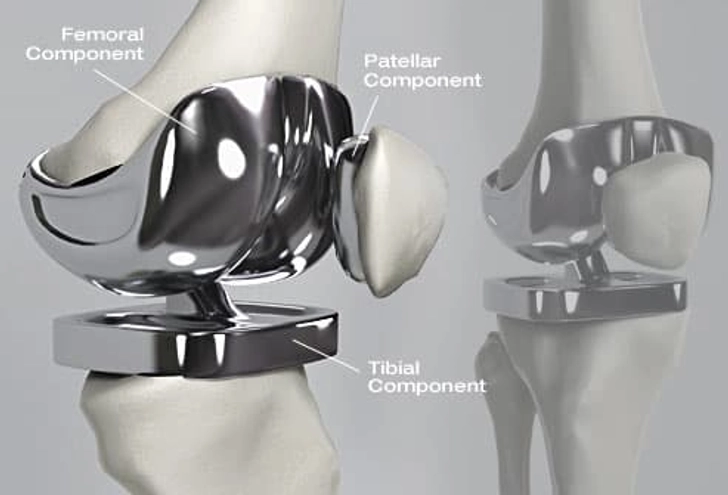
Total knee replacement involves replacing the damaged surfaces of the knee joint. Surgeons may recommend this option for patients with advanced arthritis or extensive joint damage affecting multiple areas of the knee.
Moreover, total knee replacement can provide a treatment option when severe pain and stiffness significantly interfere with everyday activities.
Partial Knee Replacement
Partial knee replacement focuses on the damaged compartment of the knee rather than replacing the entire joint. However, not every patient qualifies for this procedure.
A surgeon evaluates the location of joint damage, ligament condition, knee stability, and other factors before recommending partial replacement.
Revision Knee Replacement
Some patients may require revision surgery after an earlier knee replacement. This procedure can involve replacing or correcting components of an existing knee implant.
Therefore, patients with problems following previous knee replacement should seek evaluation from a specialist with appropriate experience in revision procedures.
Modern Knee Replacement Techniques
Knee Replacement Surgeon In Nagpur
Advances in orthopedic surgery have introduced several techniques that can support accurate and personalized knee replacement treatment.
Depending on your condition, your surgeon may discuss options such as:
- Computer-assisted knee replacement
- Patient-specific surgical planning
- Minimally invasive approaches
- Robotic-assisted knee replacement
- Advanced implant options
However, technology does not replace clinical judgment. Your surgeon should recommend a technique according to your knee anatomy, diagnosis, overall health, and treatment requirements.
Robotic-Assisted Knee Replacement
Robotic-assisted technology can support surgical planning and help surgeons assess alignment and positioning during selected knee replacement procedures.
Moreover, this technology can provide detailed information that helps the surgeon plan the procedure according to the patient’s knee anatomy.
However, robotic assistance does not mean that a robot performs the surgery independently. The surgeon remains responsible for the procedure and makes the important clinical decisions.
Therefore, discuss the potential advantages, limitations, suitability, and expected outcomes of robotic-assisted surgery during your consultation.
Benefits of Knee Replacement Surgery
Knee Replacement Surgeon In Nagpur
When appropriate, knee replacement surgery can help address pain and functional limitations caused by advanced joint damage.
Potential benefits may include:
- Reduced knee pain
- Improved ability to walk
- Better knee function
- Improved mobility
- Greater independence in daily activities
- Improved quality of life
- Better participation in suitable physical activities
Moreover, recovery varies from person to person. Your results can depend on factors such as overall health, muscle strength, rehabilitation, surgical factors, and adherence to your recovery plan.
Knee Replacement Surgery Process
Knee Replacement Surgeon In Nagpur
A typical knee replacement journey involves several stages.
1. Initial Consultation
Your surgeon discusses your symptoms, medical history, previous treatments, activity level, and treatment goals.
2. Clinical Examination
The surgeon examines your knee movement, stability, alignment, and pain pattern. Moreover, imaging tests can help assess joint damage.
3. Treatment Planning
If surgery appears appropriate, the surgeon explains the procedure, implant options, expected recovery, possible risks, and rehabilitation requirements.
4. Surgical Procedure
The surgeon removes damaged joint surfaces and places appropriate artificial components according to the planned procedure.
5. Early Recovery
After surgery, your healthcare team monitors your recovery and encourages appropriate movement as advised by your medical team.
6. Rehabilitation
Physiotherapy plays an important role in restoring strength, movement, balance, and functional ability.
Therefore, following your rehabilitation plan can support your recovery and help you return gradually to suitable daily activities.
Recovery After Knee Replacement
Recovery after knee replacement differs between individuals. Your age, general health, muscle strength, surgical procedure, and rehabilitation can influence your recovery timeline.
Moreover, physiotherapy usually forms an important part of postoperative care. Your therapist may recommend exercises that focus on knee movement, muscle strength, balance, and functional activities.
You should follow your surgeon’s instructions regarding wound care, medications, activity, exercises, and follow-up appointments.
However, avoid comparing your recovery with another patient’s experience. Every patient has different health conditions and recovery needs.
Physiotherapy After Knee Replacement
Physiotherapy can help you regain knee movement and build strength after surgery. A physiotherapist creates exercises according to your recovery stage and physical abilities.
Your rehabilitation program may include:
- Range-of-motion exercises
- Strengthening exercises
- Walking practice
- Balance exercises
- Functional training
- Mobility exercises
- Activity progression
Moreover, regular rehabilitation can help you develop confidence in your movements. Therefore, follow your prescribed exercise program and communicate any unusual symptoms to your healthcare team.
How to Choose the Best Knee Replacement Surgeon In Nagpur
Knee Replacement Surgeon In Nagpur
Choosing a surgeon requires more than simply searching for the Best Knee Replacement Surgeon In Nagpur online. You should evaluate several factors before making your decision.
Consider:
- Orthopedic qualification and specialization
- Experience with knee replacement procedures
- Experience with complex knee conditions
- Surgical approach and treatment philosophy
- Hospital infrastructure
- Rehabilitation support
- Communication during consultation
- Transparency about treatment options
- Patient reviews and feedback
Moreover, ask clear questions during your consultation. A good consultation should help you understand your diagnosis, treatment choices, expected recovery, and possible risks.
Frequently Asked Questions (FAQ)
1. Who is a Knee Replacement Surgeon In Nagpur?
A Knee Replacement Surgeon In Nagpur specializes in diagnosing and treating severe knee joint problems, including advanced arthritis.