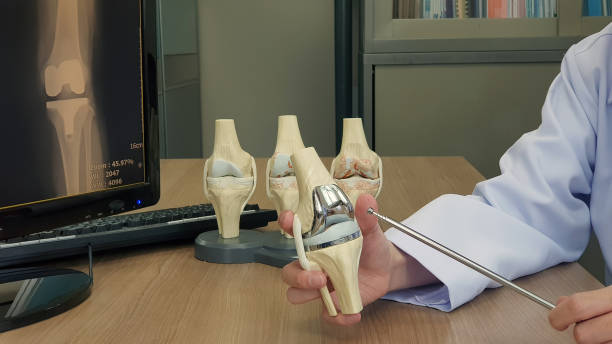
Knee pain relief surgery in Nagpur By Dr. Abhishek Bhalotia, practicing at Asian Institute Of Advanced Surgeries, focuses on treating conditions that cause persistent knee discomfort and limited mobility. Knee pain can develop due to arthritis, joint injuries, cartilage damage, or long-term joint degeneration. Although many patients initially try non-surgical treatments, some individuals may require surgical intervention when symptoms continue to affect daily activities.
At Asian Institute Of Advanced Surgeries in Nagpur, Dr. Abhishek Bhalotia, an experienced orthopaedic and joint replacement surgeon, evaluates knee conditions carefully before recommending surgical treatment. Furthermore, he considers the patient’s medical history, lifestyle, and joint health while developing an individualized treatment plan.
Early diagnosis and proper treatment planning often help patients explore suitable surgical options and improve joint function.
UUnderstanding Knee Pain and When Surgery May Be Considered
Knee pain develops when structures inside the knee joint become damaged or inflamed. The knee joint contains bones, cartilage, ligaments, and tendons that work together to support movement. However, injury, wear and tear, or joint disease may affect normal knee function.
At first, patients may notice pain during physical activity. Over time, the discomfort may increase and begin affecting daily tasks. As a result, orthopaedic specialists may recommend surgery when medicines, physiotherapy, or lifestyle changes do not provide enough relief.
The main goal of surgical treatment is to correct the joint problem while improving movement and knee stability.
Common Causes of Knee Pain That May Require Surgery
Several joint conditions may lead to knee pain that requires surgical treatment.
Common causes include:
- Advanced knee osteoarthritis
- Severe cartilage damage
- Meniscus tears
- Ligament injuries
- Joint deformities
- Previous knee injury complications
In addition, long-term joint damage may gradually worsen symptoms. Therefore, early orthopaedic evaluation helps doctors determine whether surgery may be the right treatment option.
Types of Knee Pain Relief Surgery
Orthopaedic surgeons use different surgical procedures depending on the patient’s condition and the level of joint damage.
Arthroscopic Knee Surgery
Arthroscopy is a minimally invasive procedure that helps surgeons diagnose and treat certain knee problems. During the procedure, surgeons insert a small camera and special instruments through tiny cuts. As a result, surgeons can repair damaged cartilage or remove loose tissue inside the joint.
Partial Knee Replacement
Doctors may recommend partial knee replacement when arthritis affects only one section of the knee joint. In this procedure, the surgeon replaces the damaged part while preserving the healthy areas of the knee.
Total Knee Replacement
Surgeons may suggest total knee replacement when severe arthritis damages the entire knee joint. During this procedure, the surgeon replaces damaged joint surfaces with artificial implants that support smoother movement.
Ligament Reconstruction
For ligament injuries, surgeons may perform ligament reconstruction to restore knee stability. Furthermore, this procedure is commonly used for sports-related injuries and knee instability problems.
Benefits of Knee Pain Relief Surgery
Knee pain relief surgery in Nagpur may help patients manage joint problems that affect movement and daily life. Although recovery differs from patient to patient, surgery may offer several important benefits.
These benefits include:
- Improved knee joint movement
- Reduced discomfort during daily activities
- Better joint stability
- Improved ability to walk and perform routine tasks
Moreover, proper rehabilitation after surgery plays an important role in improving recovery and mobility.
Recovery After Knee Pain Relief Surgery
Recovery after knee surgery depends on the type of procedure and the patient’s overall health. However, most recovery programs include physiotherapy and guided rehabilitation exercises.
In the early stage of recovery, patients begin gentle movements under medical supervision. After that, physiotherapy exercises help strengthen the muscles around the knee joint.
Regular follow-up visits also help the surgeon monitor recovery progress and adjust the rehabilitation plan when needed. Consequently, these recovery steps help improve joint mobility over time.
Knee Pain Relief Surgery In Nagpur
Patients seeking knee pain relief surgery in Nagpur can consult Dr. Abhishek Bhalotia at Asian Institute Of Advanced Surgeries. The institute provides modern orthopaedic care supported by advanced diagnostic evaluation and surgical planning methods.
Dr. Bhalotia carefully studies the patient’s symptoms, joint condition, and mobility goals before recommending treatment. In addition, he develops treatment plans based on detailed knee joint evaluation.
Through careful planning and modern orthopaedic procedures, treatment focuses on improving joint function and supporting better mobility.
When Should You Consult an Orthopaedic Surgeon?
You should consult an orthopaedic specialist if knee pain starts affecting daily activities.
For example, difficulty walking or standing for long periods may indicate joint damage. Similarly, persistent swelling or stiffness may suggest joint inflammation or cartilage problems.
In some cases, knee pain may continue despite medicines or physiotherapy. Therefore, early consultation helps identify the cause and allows doctors to recommend suitable treatment options.
FAQs For Knee Pain Relief Surgery In Nagpur
What is knee pain relief surgery?
Knee pain relief surgery in Nagpur includes different procedures that help treat joint problems causing long-term knee pain and mobility issues.
When is knee surgery recommended?
Doctors may recommend knee surgery when non-surgical treatments such as medication, physiotherapy, or lifestyle changes do not provide enough relief.
What are the common types of knee surgery?
Common procedures include arthroscopic surgery, partial knee replacement, total knee replacement, and ligament reconstruction.
How long does recovery take after knee surgery?
Recovery time varies according to the procedure and the patient’s rehabilitation program.
Where can I get knee pain relief surgery in Nagpur?
Patients can consult Dr. Abhishek Bhalotia at Asian Institute Of Advanced Surgeries in Nagpur for orthopaedic evaluation and advanced knee treatment.

Book Appointment with Dr. Abhishek Bhalotia at AIAS
If you are experiencing joint discomfort, restricted movement, or any musculoskeletal concerns, scheduling a consultation with Dr. Abhishek Bhalotia, MS Ortho, Fellow Joint Replacement (Hyd, UK), Robotic Joint Replacement Surgeon, can help you better understand your condition and explore appropriate care options. Early evaluation often helps patients address symptoms before they begin to interfere with everyday activities and mobility.
Consultations are available at Asian Institute of Advanced Surgeries (AIAS) in Nagpur, where patients receive a structured orthopaedic assessment focused on identifying factors affecting bone, joint, and movement health. During the visit, individuals can discuss their symptoms, medical history, lifestyle habits, and physical activity levels with Dr. Abhishek Bhalotia, ensuring a comprehensive evaluation and guidance toward suitable treatment options for improved joint function and mobility.