
Knee Implant Longevity
Knee implant longevity By Dr. Abhishek Bhalotia, practicing at Asian Institute Of Advanced Surgeries, It is an important consideration for patients undergoing knee replacement surgery. Knee implants are designed to restore joint function and support mobility for individuals experiencing severe knee arthritis or joint degeneration. However, many patients often wonder how long a knee implant can last after surgery.
At Asian Institute Of Advanced Surgeries in Nagpur, Dr. Abhishek Bhalotia, an experienced orthopaedic and joint replacement surgeon, carefully evaluates each patient before recommending knee replacement procedures. Furthermore, he uses modern surgical techniques and advanced planning methods to support proper implant positioning and joint function.
Although knee implants are designed for long-term performance, several factors influence their durability. Therefore, understanding knee implant longevity can help patients make informed decisions about their treatment.
Understanding Knee Implants
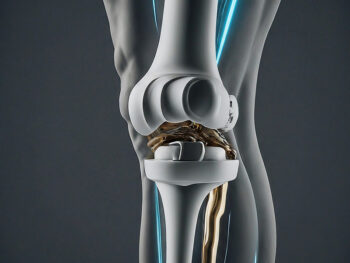
A knee implant is an artificial joint component used during knee replacement surgery to replace damaged cartilage and bone in the knee joint. The implant typically consists of metal and medical-grade plastic components designed to mimic the natural movement of the knee.
During knee replacement surgery, the surgeon removes damaged joint surfaces and replaces them with artificial components. As a result, the new joint surface allows smoother movement and improved joint function.
Modern knee implants are engineered to withstand daily activities such as walking, standing, and bending. However, their longevity depends on several clinical and lifestyle factors.
Average Lifespan of Knee Implants
Advances in orthopaedic technology have improved the durability of knee implants over the years. Many modern implants are designed to function for several years when placed correctly and maintained through appropriate care.
However, the exact lifespan of a knee implant varies among patients. Factors such as physical activity level, overall health, and joint condition may influence implant longevity.
Furthermore, regular follow-up consultations with an orthopaedic specialist help monitor implant performance and joint health over time.
Factors That Affect Knee Implant Longevity
Several factors may influence how long a knee implant continues to function effectively.
Surgical Precision
Accurate implant placement plays an important role in implant durability. Proper alignment helps distribute body weight evenly across the joint.
Implant Material and Design
Modern knee implants use advanced materials designed to withstand long-term joint movement. Additionally, improvements in implant design have enhanced durability and performance.
Patient Activity Level
High-impact activities may increase stress on the implant. Therefore, orthopaedic specialists often recommend low-impact exercises to protect the artificial joint.
Body Weight
Excess body weight can place additional pressure on the knee joint. Consequently, maintaining a healthy weight may help reduce stress on the implant.
Rehabilitation and Physiotherapy
Structured physiotherapy after surgery helps strengthen muscles around the knee. As a result, improved muscle support contributes to joint stability and implant performance.
Role of Advanced Surgical Techniques
Modern orthopaedic surgery increasingly uses advanced technologies to improve implant placement and joint alignment.
For example, robotic-assisted surgery and computer-assisted planning may help surgeons achieve precise implant positioning. Additionally, these technologies allow surgeons to create personalized surgical plans based on the patient’s anatomy.
Consequently, accurate implant positioning may support improved joint function and long-term implant stability.
Signs That May Require Implant Evaluation
Although knee implants are designed for durability, certain symptoms may indicate the need for medical evaluation.
Patients should consult an orthopaedic specialist if they experience:
- Persistent knee pain after joint replacement
- Swelling around the knee joint
- Difficulty walking or standing
- Instability or unusual movement in the knee
- Reduced knee function over time
Therefore, early evaluation helps identify potential issues and determine appropriate management.
Tips to Support Long-Term Knee Implant Function
Patients can take several steps to support the long-term performance of knee implants.
Recommended practices include:
- Following post-surgical rehabilitation programs
- Maintaining a healthy body weight
- Participating in low-impact exercises such as walking or cycling
- Avoiding excessive strain on the knee joint
- Attending regular orthopaedic follow-up appointments
These lifestyle adjustments may help protect the artificial joint and support long-term mobility.
Knee Implant Longevity Care In Nagpur
Patients seeking guidance about knee implant longevity in Nagpur can consult Dr. Abhishek Bhalotia at Asian Institute Of Advanced Surgeries. The institute provides comprehensive orthopaedic care, including evaluation, surgical treatment, and long-term joint health management.
Dr. Bhalotia focuses on careful surgical planning and personalized treatment strategies. Moreover, patients receive guidance on rehabilitation and joint care after surgery.
Through modern orthopaedic techniques and patient-centered care, treatment aims to support improved joint function and long-term mobility.
When Should You Consult an Orthopaedic Specialist?
You should consider consulting an orthopaedic specialist if knee pain begins to interfere with daily activities or if symptoms appear after knee replacement surgery.
For example, persistent discomfort while walking or swelling around the knee may require evaluation. Additionally, reduced joint movement or instability may indicate changes in joint function.
Therefore, early consultation allows the specialist to assess the knee joint and recommend appropriate care.
FAQs For Knee Implant Longevity
How long does a knee implant usually last?
The lifespan of a knee implant varies among patients and depends on factors such as surgical technique, activity level, and overall joint health.
Can lifestyle affect knee implant longevity?
Yes, maintaining a healthy weight and avoiding excessive stress on the joint may support implant durability.
Do knee implants require replacement after several years?
In some cases, implants may require revision surgery depending on wear, joint condition, or other factors.
Can modern technology improve implant placement?
Advanced technologies such as robotic-assisted surgery and computer-assisted planning may help improve surgical precision.
Where can I consult a specialist for knee replacement in Nagpur?
Patients can consult Dr. Abhishek Bhalotia at Asian Institute Of Advanced Surgeries in Nagpur for orthopaedic evaluation and treatment.
Book Appointment with Dr. Abhishek Bhalotia at AIAS
If you are experiencing joint discomfort, restricted movement, or any musculoskeletal concerns, scheduling a consultation with Dr. Abhishek Bhalotia, MS Ortho, Fellow Joint Replacement (Hyd, UK), Robotic Joint Replacement Surgeon, can help you better understand your condition and explore appropriate care options. Early evaluation often helps patients address symptoms before they begin to interfere with everyday activities and mobility.
Consultations are available at Asian Institute of Advanced Surgeries (AIAS) in Nagpur, where patients receive a structured orthopaedic assessment focused on identifying factors affecting bone, joint, and movement health. During the visit, individuals can discuss their symptoms, medical history, lifestyle habits, and physical activity levels with Dr. Abhishek Bhalotia, ensuring a comprehensive evaluation and guidance toward suitable treatment options for improved joint function and mobility.