
Joint Replacement Surgeon in Nagpur – Treatment by Dr. Siddharth Jain
Joint pain can slowly affect mobility, daily activities, and overall quality of life. Therefore, many patients seek help from a joint replacement surgeon in Nagpur when persistent pain limits movement. Joint damage often develops due to arthritis, injury, or long-term wear of cartilage. At Asian Institute of Advanced Surgeries, patients receive careful orthopedic evaluation focused on identifying the real cause of joint discomfort. Moreover, Dr. Siddharth Jain studies symptoms, medical history, and lifestyle factors before recommending treatment. Consequently, individuals understand whether non-surgical management or joint replacement surgery may help restore comfortable movement.
Understanding the Role of a Joint Replacement Surgeon in Nagpur
A joint replacement surgeon focuses on treating severe joint damage that interferes with normal movement. Therefore, individuals with chronic knee, hip, or shoulder pain may require specialist evaluation. When cartilage gradually wears away, bones begin rubbing together, which causes inflammation and stiffness. Consequently, joint mobility becomes restricted over time.
At Asian Institute of Advanced Surgeries, Dr. Siddharth Jain evaluates joint structure and physical function before recommending treatment. Additionally, patients receive guidance about symptoms, possible causes, and long-term joint care. Therefore, surgical decisions occur only after careful diagnosis and patient education.
Common Conditions Treated by a Joint Replacement Surgeon in Nagpur
Several medical conditions may lead to severe joint damage. Osteoarthritis remains one of the most common causes because cartilage gradually deteriorates with age and repetitive movement. Consequently, joints lose their smooth cushioning and become painful during activity.
Additionally, inflammatory conditions such as rheumatoid arthritis may damage joints through chronic inflammation. Injuries from accidents or sports may also accelerate cartilage wear. At Asian Institute of Advanced Surgeries, Dr. Siddharth Jain carefully studies these conditions before suggesting treatment. Therefore, patients receive a diagnosis that considers both structural damage and personal lifestyle factors.
Symptoms That May Indicate the Need for Joint Replacement
Joint damage often develops gradually; however, certain symptoms indicate that medical evaluation is necessary. Persistent joint pain during walking, climbing stairs, or lifting objects frequently signals cartilage deterioration. Additionally, stiffness after resting or waking in the morning may indicate joint inflammation.
Many patients also notice swelling, grinding sensations, or limited range of motion. Consequently, everyday activities such as standing, bending, or sitting may become uncomfortable. At Asian Institute of Advanced Surgeries, Dr. Siddharth Jain evaluates these symptoms carefully. Therefore, early diagnosis helps prevent further joint deterioration and guides appropriate treatment.
Diagnostic Approach by Dr. Siddharth Jain at Asian Institute of Advanced Surgeries
Accurate diagnosis is essential before recommending joint replacement surgery. Therefore, orthopedic specialists evaluate the joint through physical examination and imaging tests. At Asian Institute of Advanced Surgeries, Dr. Siddharth Jain begins with movement assessment, pain analysis, and muscle strength evaluation.
Additionally, imaging studies such as X-rays or MRI scans reveal cartilage loss, bone alignment, and joint damage. Consequently, doctors gain a clear picture of the patient’s orthopedic condition. Patients are also encouraged to discuss physical activities, occupational strain, and past injuries. Thus, treatment planning reflects both medical findings and lifestyle considerations.
Types of Joint Replacement Procedures
Different joints may require replacement depending on the location and severity of damage. Knee replacement remains one of the most common procedures because knee joints carry significant body weight during daily activities. Consequently, cartilage wear in this area often leads to severe discomfort.
Hip replacement surgery may also be recommended when hip joint degeneration limits walking or sitting comfortably. Additionally, shoulder replacement may help patients experiencing restricted arm movement. At Asian Institute of Advanced Surgeries, Dr. Siddharth Jain evaluates which procedure suits the patient’s condition. Therefore, treatment planning focuses on restoring joint mobility and reducing pain.
Non-Surgical Treatments Before Considering Joint Replacement
Joint replacement surgery is typically considered only after conservative treatments fail. Therefore, orthopedic specialists often begin with non-surgical approaches to reduce pain and improve mobility. Physiotherapy strengthens muscles surrounding the joint and supports joint stability.
Additionally, medications may reduce inflammation and temporarily relieve discomfort. Lifestyle adjustments such as weight management also reduce stress on weight-bearing joints. At Asian Institute of Advanced Surgeries, Dr. Siddharth Jain encourages structured rehabilitation programs before recommending surgery. Consequently, many patients experience symptom improvement through conservative treatment alone.
Recovery and Rehabilitation After Joint Replacement Surgery
Recovery plays a crucial role in the success of joint replacement procedures. Therefore, rehabilitation programs begin soon after surgery to restore joint movement gradually. Physiotherapy exercises strengthen surrounding muscles and improve flexibility.
Patients are also guided about safe movements that protect the new joint during healing. At Asian Institute of Advanced Surgeries, Dr. Siddharth Jain monitors patient recovery and adjusts rehabilitation plans accordingly. Consequently, individuals regain confidence in daily activities while reducing the risk of complications.
Preventing Joint Damage and Maintaining Joint Health
Maintaining joint health requires consistent preventive care. Therefore, individuals should adopt habits that protect cartilage and surrounding muscles. Regular exercise improves flexibility and strengthens the musculoskeletal system.
Additionally, balanced nutrition supports bone health and reduces inflammation. Maintaining healthy body weight also decreases pressure on knee and hip joints. At Asian Institute of Advanced Surgeries, Dr. Siddharth Jain encourages patients to follow preventive strategies that reduce long-term joint damage. Consequently, individuals maintain mobility and reduce the likelihood of severe orthopedic conditions.
Why Choose Dr. Siddharth Jain at Asian Institute of Advanced Surgeries
Choosing an orthopedic specialist requires understanding their approach to patient care. At Asian Institute of Advanced Surgeries, Dr. Siddharth Jain focuses on structured patient evaluation before recommending treatment. The consultation begins with detailed symptom assessment and physical examination.
Additionally, doctors review imaging results and discuss lifestyle habits affecting joint health. Patients receive clear explanations regarding diagnosis and treatment options. Preventive healthcare guidance also forms part of the consultation process. Consequently, individuals understand how to protect their joints and reduce the risk of repeated injuries or degeneration.
Long-Term Joint Care and Patient Awareness
Joint health requires continuous attention, especially for individuals with active lifestyles or previous injuries. Therefore, patients should recognize early symptoms such as stiffness, swelling, or persistent discomfort. Early medical evaluation helps prevent long-term joint damage.
At Asian Institute of Advanced Surgeries, Dr. Siddharth Jain emphasizes patient education and awareness regarding musculoskeletal health. Individuals learn how posture, daily movement patterns, and exercise habits affect joint function. Consequently, informed patients can adopt preventive strategies that support long-term mobility and overall orthopedic wellness.
Frequently Asked Questions – Joint Replacement Surgeon in Nagpur
1. What does a joint replacement surgeon do?
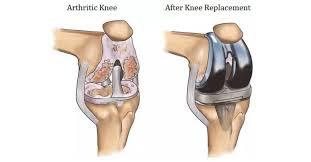
A joint replacement surgeon diagnoses severe joint damage and replaces worn joint surfaces with artificial implants. This procedure helps restore joint movement and reduce pain caused by cartilage loss or long-term joint degeneration.
2. Which joints are commonly replaced during joint replacement surgery?
Knee and hip joints are most frequently replaced because they bear body weight and experience constant movement. Shoulder replacement surgery may also be recommended when joint damage significantly affects arm mobility.
3. When is joint replacement surgery recommended?
Joint replacement surgery is usually considered when severe joint pain continues despite medication, physiotherapy, or lifestyle changes. Doctors evaluate joint damage and functional limitations before recommending surgical treatment.
4. How long does recovery take after joint replacement surgery?
Recovery varies depending on the joint replaced and the patient’s health condition. Many patients begin rehabilitation soon after surgery and gradually return to daily activities within several weeks under medical supervision.
5. How can people maintain healthy joints?
Regular exercise, balanced nutrition, and maintaining healthy body weight support joint health. Additionally, proper posture and avoiding excessive strain during physical activities help prevent long-term joint damage.
Book Appointment with Dr. Siddharth Jain at AIAS
If you are experiencing joint discomfort, restricted movement, or any musculoskeletal concerns, scheduling a consultation with Dr. Siddharth Jain can help you better understand your condition and explore appropriate care options. Early evaluation often helps patients address symptoms before they begin to interfere with everyday activities and mobility.
Consultations are available at Asian Institute of Advanced Surgeries (AIAS) in Nagpur, where patients receive a structured orthopaedic assessment focused on identifying factors affecting bone, joint, and movement health. During the visit, individuals can discuss their symptoms, medical history, lifestyle habits, and physical activity levels.