
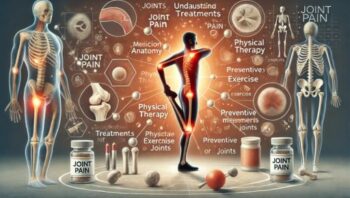
Joint Pain Treatment in Wardha
Joint discomfort can interfere with everyday movement and reduce overall quality of life. Many people seek joint pain treatment in wardha when stiffness, swelling, or persistent discomfort begins to affect routine activities. Early evaluation by an orthopedic specialist helps identify the underlying cause of the pain before the condition progresses. Joint pain may develop due to aging, injuries, arthritis, or repeated stress on the joints.
When patients consult an orthopedic doctor, the specialist carefully studies symptoms, lifestyle factors, and medical history. Accurate diagnosis helps determine whether the pain originates from cartilage damage, ligament strain, or joint inflammation. With proper guidance, patients can begin effective joint pain treatment in wardha and improve their joint mobility. Timely treatment also helps prevent long-term joint complications and supports healthier movement.
Understanding Joint Pain and Musculoskeletal Health
Joints allow smooth movement between bones and support daily physical activity. When these structures become inflamed or damaged, movement may cause discomfort and stiffness. Joint pain can affect different areas of the body, including the knees, hips, shoulders, and ankles. Identifying the source of pain helps doctors determine the most appropriate treatment plan.
A musculoskeletal specialist studies the relationship between bones, ligaments, cartilage, and muscles. When any of these structures becomes injured or inflamed, the joint may lose stability. Many patients initially experience mild discomfort that gradually worsens with activity. Without proper care, the condition may limit walking, bending, or lifting movements. Early orthopedic evaluation helps protect joint health and restore comfortable movement.
Common Causes of Joint Pain Treatment in Wardha
Several conditions can lead patients to seek joint pain treatment in Wardha. Osteoarthritis remains one of the most common causes, especially among older adults. In this condition, cartilage gradually wears away and exposes the bone surfaces. As friction increases within the joint, patients often experience pain, swelling, and reduced flexibility.
Injuries also contribute to joint pain. Ligament tears, cartilage damage, and fractures can disturb the natural structure of the joint. Sports activities or accidental falls sometimes trigger these injuries. Inflammatory conditions such as rheumatoid arthritis may also affect joint tissues. A bone and joint surgeon examines these factors carefully before recommending treatment. Understanding the cause allows doctors to design a more effective recovery plan.
Symptoms That Require Joint Pain Treatment in Wardha
Persistent discomfort around a joint often signals the need for medical evaluation. Many patients notice swelling, stiffness, or tenderness while performing simple activities. These symptoms may appear gradually or after an injury. When the discomfort continues for several weeks, patients should consider seeking joint pain treatment in Wardha.
Limited joint movement is another important sign. Some individuals find it difficult to bend their knees, lift their arms, or rotate their shoulders comfortably. Joint stiffness may also appear after long periods of rest. In certain cases, joints produce clicking or grinding sensations during movement. An orthopedic specialist carefully evaluates these symptoms and determines whether the problem involves cartilage damage, ligament injury, or joint inflammation.
Diagnosis and Evaluation by an Orthopedic Specialist
Accurate diagnosis forms the foundation of effective treatment. During the consultation, the orthopedic doctor examines the affected joint and evaluates movement patterns. The specialist may also ask questions about daily activities, previous injuries, and medical history. These details help the doctor understand how the joint pain developed over time.
Imaging tests often support the diagnosis. X-rays help identify bone alignment and joint space changes caused by arthritis. MRI scans provide detailed views of ligaments, cartilage, and surrounding tissues. By reviewing these results, a musculoskeletal specialist can identify the precise cause of joint pain. Once the diagnosis becomes clear, the doctor can begin planning suitable treatment options that address the patient’s specific condition.
Non-Surgical Approaches for Joint Pain Relief
Many patients experience improvement through non-surgical treatment methods. Doctors often recommend physiotherapy programs that strengthen muscles supporting the joint. Stronger muscles reduce stress on the affected joint and improve overall stability. These exercises also enhance flexibility and promote better movement patterns.
Pain management strategies may include medications that reduce inflammation and discomfort. Lifestyle adjustments also play a role in joint recovery. Maintaining a healthy body weight reduces pressure on weight-bearing joints such as knees and hips. Supportive braces or orthotic devices may also help stabilize the joint. With consistent care, many patients achieve noticeable relief without requiring surgical intervention.
Advanced Surgical Treatments for Severe Joint Damage
When joint damage becomes severe, surgical treatment may provide long-term relief. Orthopedic surgeons perform procedures designed to repair or replace damaged joint structures. Arthroscopy is one such technique that allows doctors to treat certain joint problems through small incisions. This procedure helps repair cartilage damage or remove inflamed tissue.
In advanced arthritis cases, joint replacement surgery may become necessary. During this procedure, the surgeon replaces damaged joint surfaces with artificial implants. These implants restore smoother movement and reduce pain during daily activities. Modern surgical techniques focus on precision and improved recovery outcomes. Careful planning by an experienced joint specialist helps ensure that patients regain stability and comfort after surgery.
Why Choose Dr. Siddharth Jain for Joint Pain Treatment
Selecting the right orthopedic specialist plays a major role in recovery. Dr. Siddharth Jain focuses on careful diagnosis and patient-centered treatment planning for various joint conditions. His approach emphasizes identifying the root cause of pain before recommending treatment. This method helps ensure that each patient receives appropriate care for their specific condition.
At Asian Institute of Advanced Surgeries (AIAS), patients undergo structured orthopedic evaluations designed to identify musculoskeletal problems accurately. The facility supports advanced diagnostic tools and modern treatment techniques. Patients benefit from personalized care that focuses on restoring joint mobility and improving overall function. With proper guidance and treatment planning, many individuals regain comfort and confidence in daily movement.
Rehabilitation and Recovery After Joint Pain Treatment
Rehabilitation plays a vital role in restoring joint function after treatment. Physiotherapy programs help patients gradually rebuild muscle strength and improve flexibility. Controlled exercises allow the joint to recover while preventing further strain. Patients also learn movement techniques that protect the joint during daily activities.
Recovery often depends on consistency and proper medical guidance. Therapists monitor progress and adjust exercises according to the patient’s improvement. Balanced nutrition and an active lifestyle also support joint health. When patients follow a structured rehabilitation plan, they often regain better movement and long-term stability. Continued care ensures that the joint remains strong and functional over time.
Frequently Asked Questions – Joint Pain Treatment in Wardha
1. What are the common causes of joint pain in Wardha patients?
Joint pain may occur due to arthritis, injuries, or cartilage damage.
Additionally, inflammation and repetitive stress can also affect joint health among many patients in Wardha.
2. When should I seek medical help for joint pain in Wardha?
You should consult an orthopedic specialist in Wardha if joint pain persists for several weeks.
Moreover, symptoms such as swelling, stiffness, or limited movement also require medical evaluation.
3. Can joint pain improve without surgery in Wardha?
Yes, many joint pain cases in Wardha respond well to physiotherapy and medication.
Furthermore, lifestyle changes such as exercise and weight management can also help reduce stress on the joints.
4. How long does recovery from joint treatment take in Wardha?
Recovery time usually varies depending on the condition and the type of treatment provided.
However, physiotherapy and guided rehabilitation in Wardha can significantly speed up the healing process.
5. How can I prevent future joint problems in Wardha?
Regular exercise and maintaining a healthy body weight help protect joint health.
In addition, proper posture and safe movement habits can reduce the risk of injuries and long-term joint problems.
Book Appointment with Dr. Siddharth Jain at AIAS
If you are experiencing joint discomfort, restricted movement, or any musculoskeletal concerns, scheduling a consultation with Dr. Siddharth Jain can help you better understand your condition and explore appropriate care options. Early evaluation often helps patients address symptoms before they begin to interfere with everyday activities and mobility.
Consultations are available at Asian Institute of Advanced Surgeries (AIAS) in Nagpur, where patients receive a structured orthopaedic assessment focused on identifying factors affecting bone, joint, and movement health. During the visit, individuals can discuss their symptoms, medical history, lifestyle habits, and physical activity levels.