
Introduction to Joint Pain Treatment
Joint pain treatment in Koriya focuses on relieving discomfort, improving mobility, and restoring overall joint function. Joints play a vital role in everyday movements such as walking, bending, and lifting. When joint pain develops, it can interfere with daily activities and reduce quality of life. Therefore, timely diagnosis and proper treatment are essential to prevent complications and long-term damage.
Joint pain can occur due to various reasons, including aging, injury, arthritis, or overuse. With modern medical advancements, effective treatments are available that range from non-surgical therapies to advanced surgical procedures. As a result, patients can achieve lasting relief and return to an active lifestyle.
Dr. Siddharth Jain at AIAS provides expert joint pain treatment in Koriya with a focus on accurate diagnosis, personalized care, and long-term recovery.
Causes of Joint Pain
Joint pain can arise from multiple underlying conditions. Identifying the cause is important for effective treatment.
Arthritis
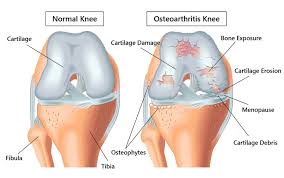
Arthritis is one of the most common causes of joint pain. Osteoarthritis occurs due to wear and tear of cartilage, while rheumatoid arthritis is an autoimmune condition that causes inflammation.
Injuries
Fractures, ligament tears, and sprains can damage joints and lead to pain and instability.
Overuse and Strain
Repetitive movements or excessive physical activity can strain joints, causing discomfort.
Inflammation and Infection
Certain infections and inflammatory conditions can affect joints and cause swelling and pain.
Age-Related Degeneration
As people age, joint structures weaken, leading to stiffness and reduced mobility.
Understanding the exact cause helps in selecting the most appropriate treatment approach.
Symptoms of Joint Pain
Joint pain symptoms can vary depending on the underlying condition. Common symptoms include:
- Persistent or intermittent pain
- Swelling and tenderness
- Stiffness, especially in the morning
- Reduced range of motion
- Warmth or redness around the joint
- Difficulty performing daily activities
If these symptoms persist or worsen, it is important to consult an orthopedic specialist for evaluation.
Diagnosis of Joint Pain
Accurate diagnosis is the first step in effective treatment. Dr. Siddharth Jain uses a combination of clinical evaluation and diagnostic tools to identify the cause of joint pain.
Diagnostic methods may include:
- Physical examination
- X-rays and imaging tests
- MRI or CT scans for detailed analysis
- Blood tests for inflammatory conditions
A precise diagnosis allows for targeted and effective treatment.
Non-Surgical Joint Pain Treatments
Many cases of joint pain can be managed without surgery. Non-surgical treatments are often the first line of care.
Medications
Pain relievers and anti-inflammatory drugs help reduce discomfort and swelling.
Physiotherapy
Structured exercises improve joint strength, flexibility, and mobility.
Lifestyle Modifications
Weight management, proper posture, and regular exercise help reduce stress on joints.
Injection Therapies
Injections such as corticosteroids or lubricating agents provide temporary relief from pain and inflammation.
Supportive Devices
Braces and supports help stabilize joints and reduce strain.
Dr. Siddharth Jain emphasizes conservative treatment methods before considering surgical options.
Surgical Treatment Options
When non-surgical treatments do not provide adequate relief, surgical intervention may be required.
Arthroscopy
A minimally invasive procedure used to diagnose and treat joint problems.
Joint Repair
Damaged tissues such as ligaments or cartilage are repaired to restore function.
Joint Replacement Surgery
Severely damaged joints are replaced with artificial implants to improve mobility and reduce pain.
Surgical options are carefully selected based on the severity of the condition and patient needs.
Recovery and Rehabilitation
Recovery is an important part of joint pain treatment. Patients are guided through a structured rehabilitation program to regain strength and mobility.
Key aspects include:
- Gradual return to movement
- Regular physiotherapy sessions
- Pain management
- Follow-up consultations
Most patients experience significant improvement with proper care and adherence to treatment plans.
Benefits of Early Treatment
Seeking early treatment for joint pain offers several advantages:
- Prevents worsening of the condition
- Reduces the need for complex surgery
- Improves mobility and function
- Enhances quality of life
- Promotes faster recovery
Early intervention leads to better long-term outcomes.
Why Choose Dr. Siddharth Jain at AIAS
Choosing the right specialist is essential for effective joint pain treatment. Dr. Siddharth Jain at AIAS offers:
- Extensive experience in orthopedic care
- Expertise in both non-surgical and surgical treatments
- Personalized treatment plans
- Advanced diagnostic and treatment techniques
- Comprehensive care from consultation to recovery
His patient-centered approach ensures the best possible outcomes.
Tips for Maintaining Healthy Joints
Maintaining joint health can help prevent pain and improve overall well-being.
- Stay physically active with regular exercise
- Maintain a healthy weight
- Eat a balanced diet rich in calcium and vitamin D
- Avoid repetitive strain and overuse
- Practice proper posture
These habits support long-term joint health and reduce the risk of problems.
Frequently Asked Questions
What causes joint pain?
Joint pain can be caused by arthritis, injury, inflammation, or aging.
When should I see a doctor?
If pain persists, worsens, or affects daily activities.
Can joint pain be treated without surgery?
Yes, many cases are managed with medications and physiotherapy.
What tests are needed for diagnosis?
X-rays, MRI, blood tests, and physical examination.
Is joint replacement always necessary?
No, it is only recommended in severe cases.
How long does recovery take?
It depends on the treatment method and individual condition.
Can lifestyle changes help?
Yes, healthy habits significantly improve joint health.
Where can I get treatment in Koriya?
You can consult Dr. Siddharth Jain at AIAS for advanced care.
Book Appointment with Dr. Siddharth Jain at AIAS
If you are experiencing joint discomfort, restricted movement, or any musculoskeletal concerns, scheduling a consultation with Dr. Siddharth Jain can help you better understand your condition and explore appropriate care options. Early evaluation often helps patients address symptoms before they begin to interfere with everyday activities and mobility.
Consultations are available at Asian Institute of Advanced Surgeries (AIAS) in Nagpur, where patients receive a structured orthopaedic assessment focused on identifying factors affecting bone, joint, and movement health. During the visit, individuals can discuss their symptoms, medical history, lifestyle habits, and physical activity levels.