
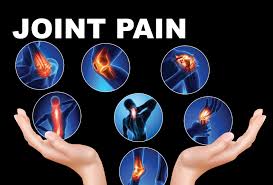
Joint Pain Treatment in Gwalior
Joint pain treatment in Gwalior focuses on identifying the underlying cause of discomfort and restoring normal joint movement. Many people experience joint pain due to arthritis, injuries, muscle strain, or age-related joint wear. Persistent pain can affect daily activities such as walking, climbing stairs, or lifting objects. Consulting an orthopedic specialist helps determine the exact cause and allows timely treatment. Under the guidance of Dr. Siddharth Jain, patients receive careful evaluation and treatment planning for different joint conditions.
Joint pain may affect various joints including the knees, hips, shoulders, or wrists. Treatment often begins with a detailed examination and diagnostic tests to understand the severity of the problem. At Asian Institute of Advanced Surgeries (AIAS), orthopedic care focuses on relieving pain, improving joint mobility, and preventing further joint damage. Early consultation for joint pain treatment in Gwalior helps patients manage symptoms effectively and maintain an active lifestyle.
Understanding Joint Pain and Its Causes
Joint pain occurs when the structures surrounding a joint become inflamed, injured, or damaged. The joints allow smooth body movement, and any disturbance in these structures can cause pain and stiffness. Common causes include osteoarthritis, rheumatoid arthritis, ligament injuries, cartilage damage, or repetitive stress on joints.
Dr. Siddharth Jain evaluates joint conditions carefully to identify the exact cause of discomfort. In many cases, joint pain may also develop due to overuse of a joint, sports injuries, or aging-related cartilage wear. Proper diagnosis is important because treatment methods vary depending on the underlying condition.
Common Causes of Joint Pain
Several medical conditions can lead patients to seek joint pain treatment in Gwalior. Arthritis is one of the most common causes and occurs when joint cartilage gradually wears down. Injuries such as ligament tears or fractures can also cause long-term joint discomfort.
Other causes include inflammation, gout, infections, or repetitive strain from physical activities. Excess body weight may increase pressure on joints such as the knees and hips, which can worsen pain and stiffness. According to medical sources, joint pain may also result from injuries, inflammation, or underlying medical conditions affecting joint health.
Symptoms That Require Medical Attention
Joint pain may appear gradually or suddenly depending on the cause. Some patients experience mild discomfort after physical activity, while others may develop severe pain that interferes with movement. Recognizing symptoms early helps prevent further joint damage.
Dr. Siddharth Jain often evaluates patients who report swelling, stiffness, or reduced joint flexibility. Difficulty walking, joint instability, or persistent pain lasting several weeks should not be ignored. Early diagnosis helps determine the correct treatment and prevents long-term complications.
Diagnosis and Evaluation for Joint Pain
A proper diagnosis is essential before beginning joint pain treatment in Gwalior. Orthopedic specialists evaluate symptoms, medical history, and lifestyle factors that may affect joint health. Physical examination helps assess joint mobility and identify areas of tenderness.
Dr. Siddharth Jain may recommend imaging tests such as X-rays, MRI scans, or blood tests if needed. These investigations help identify cartilage damage, inflammation, or structural problems within the joint. Accurate diagnosis ensures that treatment addresses the root cause rather than only relieving symptoms.
Non-Surgical Joint Pain Treatment Options
Many patients benefit from non-surgical joint pain treatment in Gwalior, especially when the condition is diagnosed early. Conservative treatment focuses on reducing inflammation, improving joint movement, and preventing further joint damage.
Dr. Siddharth Jain may recommend medications, physiotherapy, or lifestyle changes depending on the condition. Physical therapy helps strengthen muscles around the joint and improve flexibility. Weight management and low-impact exercises such as walking or swimming can reduce stress on joints and improve mobility.
Advanced Treatment Options for Severe Joint Pain
When conservative treatments do not provide sufficient relief, advanced procedures may be considered. These procedures help restore joint function and reduce chronic pain. Treatment options vary depending on the joint involved and the severity of the condition.
Dr. Siddharth Jain may recommend procedures such as arthroscopy, ligament repair, or joint replacement surgery in severe cases. Modern orthopedic techniques allow surgeons to treat joint conditions with improved accuracy and faster recovery. These treatments help patients regain comfortable movement and improve quality of life.
Why Choose Dr. Siddharth Jain for Joint Pain Treatment
Selecting an experienced orthopedic specialist plays an important role in effective joint pain treatment in Gwalior. Accurate diagnosis and patient-focused treatment planning help ensure long-term relief and improved mobility.
Dr. Siddharth Jain provides comprehensive orthopedic care for patients experiencing joint pain and mobility problems. At Asian Institute of Advanced Surgeries (AIAS), the focus remains on identifying the root cause of pain and providing personalized treatment plans. This approach helps patients recover safely and return to their daily routines.
Rehabilitation and Long-Term Joint Care
Rehabilitation is an important part of joint pain treatment in Gwalior. After injury or surgery, physiotherapy helps restore joint movement and strengthen surrounding muscles. Gradual exercises help improve flexibility and prevent stiffness.
Dr. Siddharth Jain guides patients through rehabilitation programs designed to support long-term joint health. Maintaining a healthy weight, staying physically active, and following medical advice can reduce the risk of recurring joint problems. With proper care and monitoring, many patients achieve lasting relief from joint discomfort.
Frequently Asked Questions
1. What are the common causes of joint pain?
Joint pain can occur due to arthritis, injuries, inflammation, or overuse of joints.
2. When should I consult a doctor for joint pain?
If pain lasts for several weeks or affects daily activities, medical evaluation is recommended.
3. Can joint pain be treated without surgery?
Yes, many cases improve with medications, physiotherapy, and lifestyle changes.
4. Does exercise help reduce joint pain?
Low-impact exercises strengthen muscles and support joint stability.
5. Is joint replacement necessary for all joint pain cases?
No. Surgery is usually considered only when other treatments fail to relieve severe pain.
Book Appointment with Dr. Siddharth Jain at AIAS
If you are experiencing joint discomfort, restricted movement, or any musculoskeletal concerns, scheduling a consultation with Dr. Siddharth Jain can help you better understand your condition and explore appropriate care options. Early evaluation often helps patients address symptoms before they begin to interfere with everyday activities and mobility.
Consultations are available at Asian Institute of Advanced Surgeries (AIAS) in Nagpur, where patients receive a structured orthopaedic assessment focused on identifying factors affecting bone, joint, and movement health. During the visit, individuals can discuss their symptoms, medical history, lifestyle habits, and physical activity levels.