
Joint Pain Treatment in Balod | Dr. Siddharth Jain – AIAS
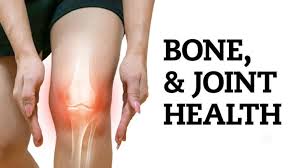
Joint pain is a common health concern that affects millions of people worldwide. It can occur at any age and may result from injuries, arthritis, overuse of joints, or age-related degeneration. Persistent joint pain can interfere with everyday activities such as walking, lifting objects, climbing stairs, or even performing simple household tasks. Therefore, seeking timely medical care is essential to prevent complications and restore mobility.
Patients searching for reliable joint pain treatment in Balod often consult Dr. Siddharth Jain at the Asian Institute of Advanced Surgeries (AIAS). With specialized expertise in orthopedics and joint care, he provides comprehensive diagnosis and treatment options for a wide range of musculoskeletal conditions. His approach focuses on relieving pain, improving joint function, and helping patients return to an active lifestyle.
Understanding Joint Pain
Joint pain refers to discomfort, stiffness, or inflammation in the joints where two bones meet. The joints are essential for body movement, allowing flexibility and support during daily activities. When these joints become damaged or inflamed, pain and restricted movement may occur.
Several joints in the body are prone to pain and injury, including:
- Knees
- Hips
- Shoulders
- Elbows
- Ankles
- Wrists
Joint pain can be temporary or chronic depending on the underlying cause. While minor joint discomfort may improve with rest, persistent pain requires medical evaluation and treatment by an orthopedic specialist.
Common Causes of Joint Pain
Joint pain may develop due to various factors. Understanding the cause helps doctors determine the most effective treatment approach.
Arthritis
Arthritis is one of the most common causes of joint pain, particularly in older adults. It occurs when the protective cartilage in joints gradually wears down, leading to inflammation and stiffness. Osteoarthritis and rheumatoid arthritis are two major types of arthritis that affect joint health.
Sports Injuries
Athletes and physically active individuals often experience joint pain due to ligament tears, muscle strains, or repetitive movements that place stress on joints.
Trauma and Accidents
Falls, fractures, or accidents can damage joints and surrounding tissues. Without proper treatment, these injuries may lead to long-term joint problems.
Age-Related Degeneration
As people age, the natural wear and tear of joints may result in stiffness and discomfort. Degenerative joint conditions often develop slowly over time.
Overuse of Joints
Repetitive movements in daily work or physical activity can strain joints and cause inflammation, leading to pain and reduced flexibility.
Expertise of Dr. Siddharth Jain
Patients seeking orthopedic care in Balod can benefit from the experience of Dr. Siddharth Jain. He is known for providing patient-centered orthopedic care and advanced treatment solutions for joint disorders.
At the Asian Institute of Advanced Surgeries, he focuses on accurate diagnosis and personalized treatment planning. Every patient receives detailed evaluation, which helps determine the root cause of joint pain and identify the most suitable treatment.
His clinical expertise includes:
- Diagnosis and management of joint pain
- Arthroscopic joint procedures
- Sports injury treatment
- Knee and shoulder disorders
- Joint replacement surgery
This wide range of expertise allows him to treat both simple and complex orthopedic conditions effectively.
Advanced Diagnostic Methods
Accurate diagnosis is the foundation of effective joint pain treatment. Orthopedic specialists use modern diagnostic tools to evaluate joint problems and determine the extent of damage.
Diagnostic methods may include:
- Physical examination of the affected joint
- X-ray imaging
- MRI scans
- Blood tests for inflammatory conditions
These tests help identify issues such as cartilage damage, ligament injuries, arthritis, or joint inflammation. Based on the diagnosis, the doctor recommends appropriate treatment options.
Non-Surgical Joint Pain Treatments
Many joint pain conditions can be treated without surgery. Non-surgical treatments are usually recommended in the early stages of joint problems.
Medication
Anti-inflammatory medications may be prescribed to reduce swelling and relieve pain in the affected joint.
Physiotherapy
Physiotherapy plays an important role in strengthening muscles around the joint and improving flexibility. Regular exercise under professional guidance helps restore normal joint movement.
Lifestyle Modifications
Simple lifestyle changes can significantly reduce joint stress. These may include maintaining a healthy weight, improving posture, and avoiding activities that strain joints.
Pain Management Techniques
Heat therapy, cold therapy, and supportive braces may also help reduce discomfort and improve mobility.
These conservative treatments often provide significant relief for patients with mild to moderate joint pain.
Minimally Invasive Joint Procedures
If non-surgical treatments do not provide sufficient relief, minimally invasive procedures may be recommended. Arthroscopy is one of the most commonly used techniques in modern orthopedics.
Arthroscopic surgery involves inserting a small camera into the joint through a tiny incision. This allows the surgeon to view and treat joint problems with precision.
Benefits of arthroscopy include:
- Smaller incisions
- Less tissue damage
- Reduced post-surgical pain
- Faster recovery time
Arthroscopy is commonly used to treat ligament injuries, cartilage damage, and joint inflammation.
Joint Replacement Surgery
In severe cases where joint damage is extensive, joint replacement surgery may be necessary. This procedure involves replacing the damaged joint with an artificial implant designed to mimic natural movement.
Joint replacement surgery is commonly performed for:
- Advanced osteoarthritis
- Severe knee or hip joint damage
- Chronic pain that does not respond to other treatments
Modern joint implants are durable and can significantly improve mobility and quality of life for patients.
Rehabilitation and Recovery
Rehabilitation is an essential part of joint pain treatment. After surgery or medical treatment, patients must follow a structured recovery program to regain strength and mobility.
Rehabilitation may include:
- Physiotherapy exercises
- Strength training for muscles around the joint
- Gradual increase in physical activity
- Regular follow-up consultations with the doctor
Proper rehabilitation helps ensure long-term recovery and prevents future joint problems.
Importance of Early Treatment
Many people ignore joint pain in its early stages, assuming it will improve on its own. However, untreated joint problems may worsen over time and lead to permanent damage.
Patients should seek medical consultation if they experience:
- Persistent joint pain
- Swelling or redness around joints
- Difficulty moving the joint
- Pain during walking or physical activity
- Joint stiffness in the morning
Early treatment helps prevent complications and improves the chances of successful recovery.
Why Choose Joint Pain Treatment in Balod
Residents of Balod now have access to advanced orthopedic care without traveling to larger cities. Local healthcare facilities provide convenient access to diagnosis, treatment, and follow-up care.
Choosing treatment locally offers several advantages:
- Easy access to orthopedic consultation
- Faster medical assistance
- Regular monitoring of recovery progress
- Personalized patient care
These benefits help patients receive consistent and effective medical treatment.
Patient-Focused Orthopedic Care at AIAS
At the Asian Institute of Advanced Surgeries, patient care is focused on delivering comprehensive orthopedic treatment. The goal is not only to relieve pain but also to restore long-term joint health.
The treatment approach includes:
- Detailed diagnosis and medical evaluation
- Customized treatment plans for each patient
- Use of modern orthopedic techniques
- Continuous follow-up care and rehabilitation support
This holistic approach ensures that patients receive the best possible care for their joint health.
Conclusion
Joint pain can significantly affect daily life by limiting movement and causing persistent discomfort. However, modern orthopedic medicine offers effective solutions for diagnosing and treating joint problems. With early medical intervention and appropriate treatment, most patients can regain mobility and enjoy a better quality of life.
Individuals seeking joint pain treatment in Balod can consult Dr. Siddharth Jain at the Asian Institute of Advanced Surgeries. Through expert diagnosis, advanced treatment techniques, and personalized patient care, he helps individuals overcome joint pain and return to their normal activities.
FAQs – Joint Pain Treatment in Balod
1. What are the most common causes of joint pain?
Joint pain can result from arthritis, injuries, ligament damage, aging, or repetitive strain on joints.
2. When should I consult an orthopedic doctor for joint pain?
You should consult a specialist if the pain lasts for several weeks, worsens with movement, or affects daily activities.
3. Can joint pain be treated without surgery?
Yes, many cases can be managed with medication, physiotherapy, lifestyle changes, and pain management techniques.
4. What is arthroscopic surgery?
Arthroscopy is a minimally invasive procedure used to diagnose and treat joint problems through small incisions.
5. How can I prevent joint pain?
Maintaining a healthy weight, exercising regularly, and avoiding excessive strain on joints can help prevent joint problems.
Book Appointment with Dr. Siddharth Jain at AIAS
If you are experiencing joint discomfort, restricted movement, or any musculoskeletal concerns, scheduling a consultation with Dr. Siddharth Jain can help you better understand your condition and explore appropriate care options. Early evaluation often helps patients address symptoms before they begin to interfere with everyday activities and mobility.
Consultations are available at Asian Institute of Advanced Surgeries (AIAS) in Nagpur, where patients receive a structured orthopaedic assessment focused on identifying factors affecting bone, joint, and movement health. During the visit, individuals can discuss their symptoms, medical history, lifestyle habits, and physical activity levels.