
Hip Replacement Surgery in Balod | Dr. Siddharth Jain – AIAS
Hip pain can significantly affect a person’s mobility and overall quality of life. When the hip joint becomes damaged due to arthritis, injury, or age-related degeneration, simple daily activities such as walking, standing, or climbing stairs may become painful and difficult. In cases where medications and physiotherapy no longer provide relief, hip replacement surgery can be an effective treatment option to restore movement and reduce pain.
Patients looking for reliable hip replacement surgery in Balod often consult Dr. Siddharth Jain at the Asian Institute of Advanced Surgeries (AIAS). With expertise in orthopedic surgery and joint replacement procedures, he provides advanced treatment options for patients suffering from severe hip joint problems. His patient-focused approach aims to relieve pain, improve mobility, and help individuals return to an active lifestyle.
Understanding Hip Replacement Surgery
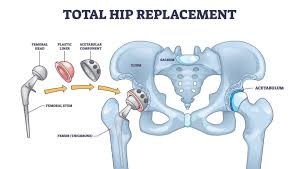
Hip replacement surgery, also known as hip arthroplasty, is a medical procedure in which the damaged parts of the hip joint are replaced with artificial components called implants. The hip joint is a ball-and-socket joint that allows smooth movement between the thigh bone and the pelvic bone. When the cartilage protecting these bones wears down, the bones may rub against each other, causing pain and stiffness.
During hip replacement surgery, the orthopedic surgeon removes the damaged cartilage and bone and replaces them with artificial components made of metal, ceramic, or medical-grade plastic. These implants are designed to replicate the natural movement of the hip joint, allowing patients to move more comfortably.
Hip replacement surgery is considered a safe and effective treatment for patients with severe hip joint damage that affects their daily activities.
Common Conditions Requiring Hip Replacement
Several medical conditions may lead to severe hip joint damage and require surgical intervention. Understanding these conditions helps patients recognize when to seek orthopedic care.
Osteoarthritis
Osteoarthritis is one of the most common causes of hip joint damage. It occurs when the cartilage cushioning the joint gradually wears away, leading to pain and stiffness.
Rheumatoid Arthritis
Rheumatoid arthritis is an autoimmune condition that causes inflammation in the joints. Over time, this inflammation may damage the hip joint and reduce mobility.
Hip Fractures
Serious injuries such as fractures in the hip bone may require joint replacement surgery, especially in older adults.
Avascular Necrosis
Avascular necrosis occurs when the blood supply to the hip bone is reduced, causing bone tissue to deteriorate.
Degenerative Joint Disease
Long-term wear and tear on the hip joint may lead to degeneration, resulting in chronic pain and reduced joint function.
Expertise of Dr. Siddharth Jain
Patients seeking orthopedic treatment in Balod benefit from the expertise of Dr. Siddharth Jain. He specializes in diagnosing and treating complex joint conditions using advanced orthopedic techniques.
At the Asian Institute of Advanced Surgeries, patients receive comprehensive orthopedic care tailored to their individual needs. His clinical experience includes joint preservation techniques, arthroscopic procedures, and joint replacement surgeries.
His areas of expertise include:
- Hip replacement surgery
- Knee replacement surgery
- Arthroscopic joint procedures
- Sports injury treatment
- Joint pain management
By combining modern surgical techniques with personalized patient care, he helps individuals achieve better mobility and long-term joint health.
Advanced Diagnostic Methods
Before recommending hip replacement surgery, orthopedic specialists perform detailed diagnostic evaluations to assess the condition of the hip joint.
Common diagnostic methods include:
- Physical examination of the hip joint
- X-ray imaging to evaluate bone structure
- MRI scans to assess cartilage and soft tissues
- Blood tests to identify inflammatory conditions
These diagnostic tools help determine the severity of joint damage and guide the treatment plan.
Types of Hip Replacement Surgery
Orthopedic surgeons may recommend different types of hip replacement procedures depending on the patient’s condition.
Total Hip Replacement
Total hip replacement involves replacing both the ball and socket components of the hip joint with artificial implants. This is the most common procedure for patients with severe arthritis.
Partial Hip Replacement
Partial hip replacement involves replacing only the damaged portion of the hip joint. This procedure is often performed for certain types of hip fractures.
Revision Hip Replacement
Revision surgery may be required if a previously implanted artificial joint becomes worn out or damaged over time.
Each procedure is carefully selected based on the patient’s age, activity level, and extent of joint damage.
Benefits of Hip Replacement Surgery
Hip replacement surgery offers numerous benefits for individuals suffering from chronic hip pain.
Pain Relief
The procedure significantly reduces or eliminates chronic hip pain caused by joint damage.
Improved Mobility
Patients can move more comfortably after recovery, allowing them to perform daily activities with greater ease.
Enhanced Quality of Life
With reduced pain and improved joint function, patients often return to normal activities and hobbies.
Long-Lasting Results
Modern hip implants are designed to last for many years, providing durable and reliable joint support.
The Hip Replacement Procedure
Hip replacement surgery involves several steps to ensure safe and effective treatment.
1. Consultation and Evaluation
The orthopedic surgeon evaluates the patient’s medical history, performs a physical examination, and reviews diagnostic test results.
2. Preoperative Preparation
Patients receive instructions regarding medications, diet, and physical preparation before the surgery.
3. Surgical Procedure
During surgery, the damaged parts of the hip joint are removed and replaced with artificial implants designed to restore smooth joint movement.
4. Postoperative Care
After surgery, patients begin rehabilitation exercises to strengthen the hip joint and improve mobility.
Recovery and Rehabilitation
Recovery from hip replacement surgery is a gradual process that requires patience and proper rehabilitation. Patients usually begin gentle movement soon after surgery to promote healing.
Rehabilitation may include:
- Physiotherapy exercises
- Muscle strengthening programs
- Gradual return to daily activities
- Regular follow-up consultations
Most patients experience significant improvement in mobility within a few weeks, although full recovery may take several months.
Importance of Early Medical Consultation
Ignoring hip pain may lead to worsening joint damage over time. Early medical consultation allows doctors to identify the problem and recommend appropriate treatment before the condition becomes severe.
Patients should consult an orthopedic specialist if they experience:
- Persistent hip pain
- Difficulty walking or standing
- Reduced range of motion in the hip joint
- Pain during physical activity
- Hip stiffness that limits daily activities
Early diagnosis improves treatment outcomes and may prevent the need for major surgery.
Why Choose Hip Replacement Surgery in Balod
Residents of Balod now have access to advanced orthopedic treatment options without traveling to major cities. Local healthcare facilities provide convenient access to diagnosis, surgery, and rehabilitation services.
Benefits of seeking treatment locally include:
- Access to experienced orthopedic specialists
- Convenient follow-up appointments
- Personalized patient care
- Supportive rehabilitation programs
These advantages make Balod a practical option for individuals seeking effective joint replacement treatment.
Patient-Focused Orthopedic Care at AIAS
At the Asian Institute of Advanced Surgeries, patient care focuses on delivering comprehensive orthopedic treatment with modern medical technology.
The treatment approach includes:
- Accurate diagnosis and medical evaluation
- Customized surgical planning
- Use of advanced orthopedic techniques
- Continuous rehabilitation and follow-up care
This holistic approach ensures that patients receive the highest level of care throughout their treatment journey.
Conclusion
Hip replacement surgery is a highly effective treatment for individuals suffering from severe hip joint damage and chronic pain. With modern surgical techniques and proper rehabilitation, patients can experience significant improvements in mobility and quality of life.
Individuals seeking hip replacement surgery in Balod can consult Dr. Siddharth Jain at the Asian Institute of Advanced Surgeries. Through expert diagnosis, advanced treatment methods, and patient-centered care, he helps individuals regain mobility and return to their normal activities.
FAQs – Hip Replacement Surgery in Balod
1. Who needs hip replacement surgery?
Patients with severe arthritis, hip fractures, or chronic hip pain that does not improve with medication or physiotherapy may need hip replacement surgery.
2. How long does hip replacement surgery take?
The procedure usually takes about one to two hours depending on the complexity of the case.
3. How long does recovery take after hip replacement surgery?
Most patients start walking with assistance within a few days, while full recovery may take several weeks to months.
4. How long do hip implants last?
Modern hip implants can last 15–20 years or longer with proper care and lifestyle management.
5. Is hip replacement surgery safe?
Yes, when performed by experienced orthopedic surgeons using modern surgical techniques, hip replacement surgery is considered safe and highly effective.
Book Appointment with Dr. Siddharth Jain at AIAS
If you are experiencing joint discomfort, restricted movement, or any musculoskeletal concerns, scheduling a consultation with Dr. Siddharth Jain can help you better understand your condition and explore appropriate care options. Early evaluation often helps patients address symptoms before they begin to interfere with everyday activities and mobility.
Consultations are available at Asian Institute of Advanced Surgeries (AIAS) in Nagpur, where patients receive a structured orthopaedic assessment focused on identifying factors affecting bone, joint, and movement health. During the visit, individuals can discuss their symptoms, medical history, lifestyle habits, and physical activity levels.