
Introduction
Hip replacement surgery in Bilaspur is an effective solution for patients suffering from severe hip pain and limited mobility. Many individuals experience difficulty in walking, sitting, or performing daily tasks due to joint damage. Choosing hip replacement surgery in Bilaspur helps restore movement and significantly improve quality of life.
Dr. Siddharth Jain, MBBS, MS, DNB, FIAS (England), provides advanced orthopedic care at the Asian Institute of Advanced Surgeries (AIAS). As an experienced orthopedic doctor, he focuses on accurate diagnosis and patient-centered treatment. His goal is to relieve pain, restore joint function, and help patients regain independence.
Understanding Hip Replacement Surgery in Bilaspur
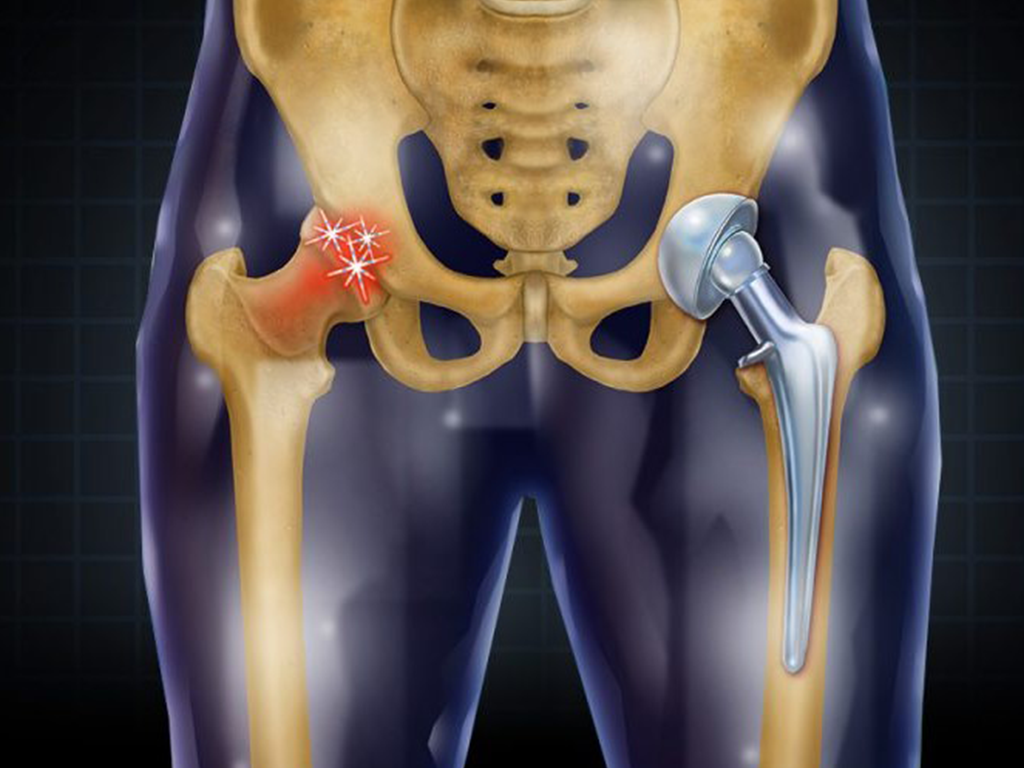
Hip replacement surgery in Bilaspur involves replacing a damaged hip joint with an artificial implant. This procedure helps reduce pain and allows smoother movement of the joint. It is commonly recommended for patients with severe joint damage.
Dr. Siddharth Jain performs this procedure with a focus on precision and safety. As a bone and joint surgeon, he carefully evaluates each patient before recommending surgery. This ensures the treatment matches the patient’s condition and needs.
Common Causes Leading to Hip Replacement Surgery in Bilaspur
Several conditions may lead to the need for hip replacement surgery in Bilaspur. Osteoarthritis is the most common cause, resulting from wear and tear of the joint over time. Other causes include rheumatoid arthritis and hip injuries.
Dr. Siddharth Jain also treats patients with joint deformities and cartilage damage. As a joint specialist, he identifies the underlying cause before planning treatment. Early diagnosis may help delay surgery and improve long-term outcomes.
Symptoms That Require Hip Replacement Surgery in Bilaspur
Persistent hip pain is a major sign that you may need hip replacement surgery in Bilaspur. Pain that worsens during movement or continues even at rest should not be ignored. It may indicate severe joint damage.
Other symptoms include stiffness, reduced range of motion, and difficulty walking. Some patients experience pain while sitting or standing for long periods. Dr. Siddharth Jain evaluates these symptoms carefully to determine the need for surgery.
Diagnosis and Evaluation for Hip Replacement Surgery in Bilaspur
Accurate diagnosis is essential before performing hip replacement surgery in Bilaspur. The process begins with a detailed medical history and physical examination. This helps identify the severity of joint damage.
Dr. Siddharth Jain may recommend imaging tests such as X-rays to assess the condition of the hip joint. As a musculoskeletal specialist, he uses this information to create a personalized treatment plan. Proper evaluation ensures better outcomes.
Non-Surgical Alternatives Before Hip Replacement Surgery in Bilaspur
Before recommending hip replacement surgery in Bilaspur, non-surgical treatments are often considered. These include medications, physiotherapy, and lifestyle modifications. These approaches can help manage pain and improve joint function.
Dr. Siddharth Jain focuses on conservative treatment whenever possible. As an orthopedic specialist, he ensures that surgery is recommended only when necessary. Many patients benefit from these methods and may delay surgery.
Surgical Procedure of Hip Replacement Surgery in Bilaspur
During hip replacement surgery in Bilaspur, the damaged parts of the hip joint are removed and replaced with artificial components. These implants are designed to replicate natural joint movement and improve function.
Dr. Siddharth Jain performs this procedure at the Asian Institute of Advanced Surgeries (AIAS) using advanced techniques. As an experienced orthopedic surgeon, he ensures precision and patient safety. This leads to better recovery and long-term success.
Recovery and Rehabilitation After Hip Replacement Surgery in Bilaspur
Recovery after hip replacement surgery in Bilaspur requires proper care and rehabilitation. Patients are encouraged to begin movement early to improve healing and prevent stiffness. Physiotherapy plays a key role in recovery.
Dr. Siddharth Jain provides structured rehabilitation plans at the Asian Institute of Advanced Surgeries (AIAS). Regular follow-up helps monitor progress and ensures complete healing. With proper care, patients can return to normal activities within a few weeks.
Why Choose Dr. Siddharth Jain for Hip Replacement Surgery in Bilaspur
Choosing the right surgeon for hip replacement surgery in Bilaspur is important for successful outcomes. Experience and a patient-focused approach play a major role in recovery and satisfaction.
Dr. Siddharth Jain, MBBS, MS, DNB, FIAS (England), offers advanced orthopedic care at the Asian Institute of Advanced Surgeries (AIAS). He focuses on personalized treatment and long-term results. His approach helps patients regain mobility and live a more comfortable life.
Frequently Asked Questions
1. When is hip replacement surgery needed?
It is needed when hip pain becomes severe and limits daily activities.
It is recommended when other treatments do not work.
2. Is hip replacement surgery safe?
Yes, it is a commonly performed procedure.
Modern techniques make it safe and effective.
3. How long does recovery take?
Initial recovery takes a few weeks.
Full recovery may take a few months.
4. Can I walk after hip replacement surgery?
Yes, patients usually start walking within a few days.
Physiotherapy helps improve movement.
5. How long does a hip implant last?
Most implants last 15–20 years.
Proper care helps extend their lifespan.
Book Appointment with Dr. Siddharth Jain at AIAS
If you are experiencing joint discomfort, restricted movement, or any musculoskeletal concerns, scheduling a consultation with Dr. Siddharth Jain can help you better understand your condition and explore appropriate care options. Early evaluation often helps patients address symptoms before they begin to interfere with everyday activities and mobility.
Consultations are available at Asian Institute of Advanced Surgeries (AIAS) in Nagpur, where patients receive a structured orthopaedic assessment focused on identifying factors affecting bone, joint, and movement health. During the visit, individuals can discuss their symptoms, medical history, lifestyle habits, and physical activity levels.