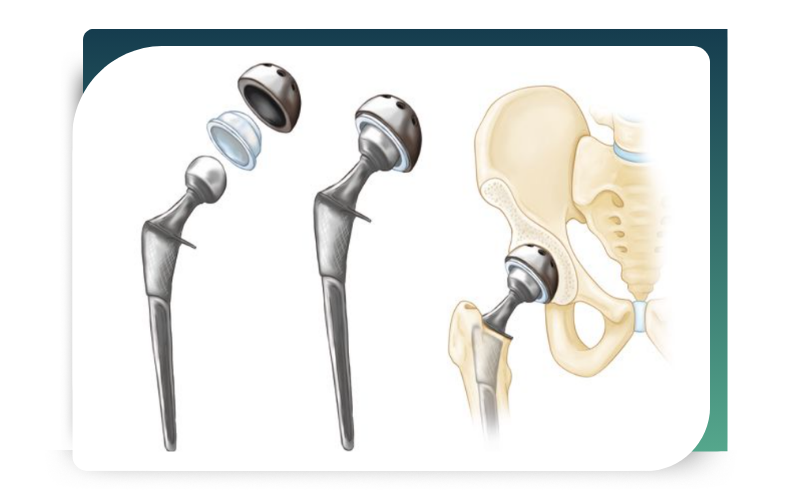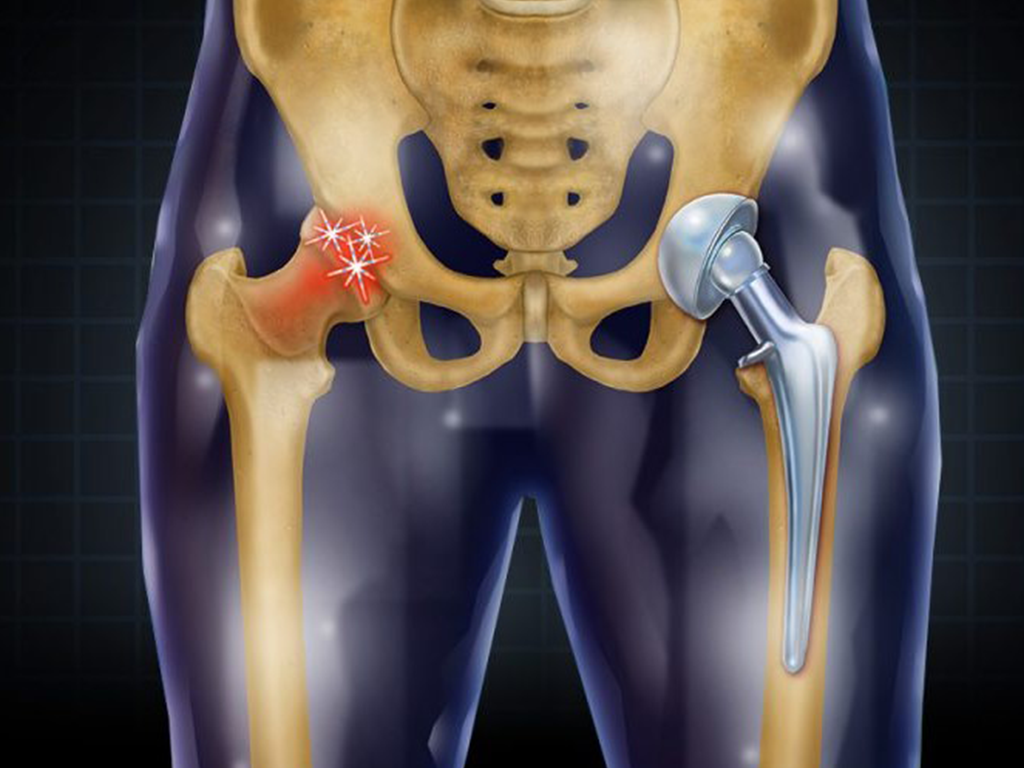
Hip replacement is recommended when conservative treatments such as medications, physiotherapy, and injections no longer provide adequate relief. In other words, if non-surgical methods fail to improve your condition, surgery may become the most effective solution.
You may need hip replacement surgery if you experience:
Persistent hip pain even at rest, especially at night
Difficulty walking, climbing stairs, or sitting, which gradually limits independence
Severe stiffness limiting movement, making daily tasks challenging
Hip deformity, affecting posture and balance
Reduced quality of life due to chronic pain, impacting work and social activities
Furthermore, several medical conditions commonly require hip replacement treatment, including:
Osteoarthritis, which gradually wears down joint cartilage
Rheumatoid Arthritis, an inflammatory condition damaging the joint lining
Avascular Necrosis, where reduced blood supply weakens the bone
Hip Fractures, particularly in older adults
Post-traumatic arthritis, developing after a serious injury
Therefore, if hip pain is interfering with your daily routine and overall well-being, consulting Dr. Abhishek Bhalotia can help determine the most appropriate and personalized treatment plan for long-term relief and improved mobility.