Asian Institute Of Advanced Surgeries

What Is Hip Replacement Surgery?
When Do You Need Hip Replacement?
Not every person with hip pain needs hip replacement surgery. However, severe joint damage can make surgery a suitable option when other treatments no longer provide enough relief.
You may need to discuss hip replacement with an orthopaedic surgeon if you experience:
- Severe or ongoing hip pain
- Pain while walking or climbing stairs
- Difficulty getting up from a chair
- Stiffness that limits hip movement
- Pain that affects your sleep
- Difficulty performing daily activities
- Reduced ability to exercise or stay active
- Hip damage caused by arthritis or injury
Moreover, your surgeon will assess your condition before recommending surgery. Therefore, do not decide on surgery based only on pain levels.
Common Conditions That May Lead to Hip Replacement
Several conditions can damage the hip joint over time. Osteoarthritis often causes gradual cartilage damage and increasing pain. Moreover, rheumatoid arthritis can cause inflammation and joint damage.
Other conditions may also affect the hip, including:
- Osteoarthritis
- Rheumatoid arthritis
- Avascular necrosis
- Severe hip fractures
- Previous hip injuries
- Certain developmental hip conditions
Therefore, an orthopaedic evaluation can help identify the cause of your hip pain and determine the most suitable treatment.
Modern orthopaedic care offers several treatment options. However, every patient has different needs. Therefore, your doctor should choose treatment after checking your symptoms and overall condition.
Why Choose a Hip Replacement Surgeon in Nagpur?
Types of Hip Replacement Surgery
Hip Replacement Surgeon In Nagpur
Your surgeon may recommend different approaches depending on your hip condition and individual needs. Common options include total hip replacement and partial hip replacement.
Total Hip Replacement
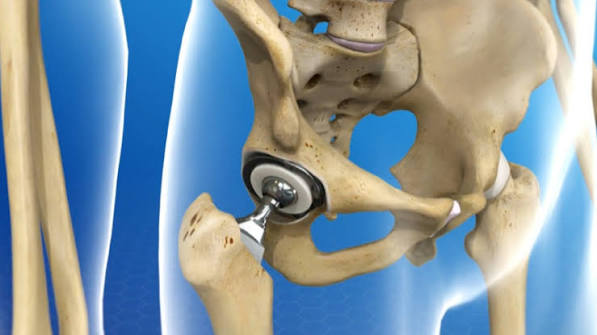
Total hip replacement replaces the damaged ball and socket of the hip joint. Therefore, surgeons commonly consider this option for people with significant joint damage.
Partial Hip Replacement
Partial hip replacement replaces only part of the hip joint. Moreover, surgeons may consider this option for certain hip fractures and specific conditions.
Your surgeon will recommend the appropriate procedure after evaluating your hip joint and overall health.
How Does Hip Replacement Surgery Work?
Before surgery, your surgeon performs a detailed assessment. This assessment may include a physical examination and imaging tests such as X-rays. Moreover, your doctor may review your medicines and existing health conditions.
During the procedure, the surgeon removes the damaged joint surfaces and places artificial components. Therefore, the new joint can provide smoother movement and better function.
After surgery, your healthcare team monitors your recovery and helps you begin safe movement. In addition, physiotherapy plays an important role in rebuilding strength and improving mobility.
Benefits of Hip Replacement Surgery
Hip replacement can provide several benefits for suitable patients. However, results can vary depending on your health, joint condition, activity level, and rehabilitation.
Potential benefits include:
- Reduced hip pain
- Better walking ability
- Improved joint movement
- Greater independence
- Better ability to perform daily activities
- Improved quality of life
Moreover, following your surgeon’s advice and rehabilitation plan can support your recovery. Therefore, active participation in your recovery remains important.
Hip Replacement Recovery
Hip Replacement Surgeon In Nagpur
Recovery takes time and varies from person to person. Your healthcare team will guide you through each stage of recovery. Moreover, early movement and prescribed exercises can help improve strength and mobility.
You may gradually return to normal activities as your strength improves. However, you should follow your surgeon’s instructions and avoid activities that could place unnecessary stress on your new joint.
Physiotherapy can help improve muscle strength, balance, flexibility, and walking ability. As a result, consistent rehabilitation can support a smoother return to daily activities.
How Can You Prepare for Hip Replacement Surgery?
Hip Replacement Surgeon In Nagpur
Good preparation can help you approach surgery with greater confidence. Your surgeon may recommend specific exercises before surgery to improve muscle strength. Moreover, you should discuss your current medicines and health conditions with your medical team.
You can also prepare your home for recovery by keeping frequently used items within easy reach. In addition, removing loose rugs and other obstacles can reduce the risk of falls.
Therefore, follow your healthcare team’s instructions carefully before your surgery.
Is Hip Replacement Surgery Safe?
Hip replacement surgery has become a commonly performed orthopaedic procedure. However, like any major surgery, it can involve certain risks.
Possible complications can include infection, blood clots, implant problems, nerve or blood vessel injury, and joint dislocation. Therefore, your surgeon will discuss the potential risks and benefits before surgery.
Following pre-surgery instructions, post-surgery care, and rehabilitation advice can help support a safe recovery.
Hip Replacement Without Surgery
Doctors do not recommend surgery for every person with hip pain. Depending on your condition, non-surgical treatment may provide relief.
Your treatment plan may include:
- Physiotherapy
- Suitable exercises
- Weight management
- Pain-relief medicines
- Activity modification
- Assistive devices when needed
Moreover, these treatments may help manage symptoms in people with mild or moderate joint problems. However, severe joint damage may eventually require surgical treatment.
When Should You Consult a Hip Replacement Surgeon?
Hip Replacement Surgeon In Nagpur
Why Choose Hip Replacement Treatment in Nagpur?
Nagpur offers access to experienced orthopaedic specialists and modern healthcare facilities. Therefore, patients can discuss hip problems and treatment options with qualified professionals closer to home.
Moreover, choosing a local specialist can make consultations, follow-up visits, physiotherapy, and recovery support more convenient. In addition, your surgeon can create a treatment plan based on your specific condition and lifestyle.