
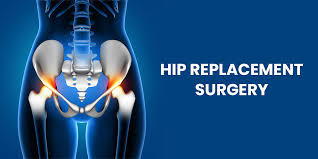
Hip Replacement Surgeon in Nagpur – Treatment by Dr. Siddharth Jain
Hip pain can gradually interfere with walking, standing, and daily activities. Therefore, patients often seek guidance from a Hip Replacement Surgeon in Nagpur when conservative treatments no longer relieve discomfort. At Asian Institute of Advanced Surgeries, individuals undergo comprehensive evaluation to determine whether hip joint deterioration, arthritis, or injury has reached the point where replacement surgery may be necessary. Moreover, Dr. Siddharth Jain carefully examines symptoms, reviews medical history, and considers lifestyle factors before recommending treatment. Consequently, patients receive a clear understanding of their options, including both non-surgical care and surgical solutions.
Understanding Hip Replacement Surgery
Hip replacement surgery involves removing damaged cartilage and bone from the hip joint and replacing them with artificial components. This procedure reduces pain, restores mobility, and improves joint function. At Asian Institute of Advanced Surgeries, Dr. Siddharth Jain explains each step of the surgery to ensure patients understand the process. Additionally, proper preoperative assessment, including imaging and physical examination, allows for precise surgical planning. Hip replacement is considered when joint damage significantly affects quality of life, and early evaluation often improves surgical outcomes.
Signs That You May Need a Hip Replacement Surgeon in Nagpur
Persistent hip pain during walking, climbing stairs, or standing may indicate severe joint degeneration. Swelling, stiffness, or grinding sensations are common signs of cartilage loss. Additionally, patients often notice reduced range of motion or discomfort during everyday activities. At Asian Institute of Advanced Surgeries, Dr. Siddharth Jain evaluates these symptoms alongside imaging studies to determine the severity of joint damage. Therefore, early assessment helps patients explore whether non-surgical management is sufficient or if surgical intervention is necessary. Recognizing these warning signs allows for timely treatment that minimizes long-term joint deterioration.
Causes of Hip Joint Damage Leading to Replacement
Several factors contribute to hip joint deterioration. Osteoarthritis, which results from gradual cartilage wear, is the most common cause of chronic hip pain. Similarly, rheumatoid arthritis leads to inflammation that damages cartilage and bone over time. Traumatic injuries from falls or sports accidents can accelerate joint degeneration, while long-term stress on the joint may exacerbate cartilage wear. At Asian Institute of Advanced Surgeries, Dr. Siddharth Jain considers both medical history and lifestyle factors during assessment. Consequently, patients gain insight into the causes of their condition and strategies to prevent further damage.
Benefits of Consulting an Experienced Hip Replacement Surgeon
Consulting an experienced hip replacement surgeon ensures accurate diagnosis and individualized treatment planning. At Asian Institute of Advanced Surgeries, Dr. Siddharth Jain evaluates joint function, imaging studies, and patient history to determine the optimal approach. Moreover, patients receive guidance on both surgical and non-surgical interventions, helping them make informed decisions. Understanding treatment options reduces unnecessary procedures and enhances recovery outcomes. Consequently, consulting a specialist ensures that care is tailored to the patient’s specific condition, activity level, and long-term joint health goals.
Advanced Hip Replacement Techniques Available Today
Modern hip replacement techniques involve minimally invasive approaches that reduce tissue trauma and accelerate recovery. Surgeons at Asian Institute of Advanced Surgeries use precise preoperative planning and surgical tools to improve implant alignment and joint stability. Dr. Siddharth Jain emphasizes the importance of preserving surrounding muscles while replacing damaged cartilage and bone. Additionally, imaging technologies guide surgical accuracy, ensuring long-term functionality. Consequently, patients experience reduced postoperative pain and improved mobility. These advanced techniques support both short-term recovery and long-term joint performance.
Preparing for Hip Replacement Surgery
Proper preoperative preparation enhances surgical outcomes. Patients undergo medical assessments, including blood tests, imaging, and physical evaluation. At Asian Institute of Advanced Surgeries, Dr. Siddharth Jain discusses pre-surgery exercises, dietary adjustments, and lifestyle modifications to optimize recovery. Patients are also educated about post-surgical expectations and rehabilitation plans. Consequently, preparation ensures that individuals enter surgery in the best possible condition, which promotes faster recovery and reduces the risk of complications.
Recovery and Rehabilitation After Hip Replacement
Rehabilitation begins shortly after surgery to restore joint movement and strength. Physical therapy exercises gradually improve flexibility, balance, and muscle support around the hip joint. At Asian Institute of Advanced Surgeries, Dr. Siddharth Jain monitors patient progress and adjusts rehabilitation protocols accordingly. Furthermore, patients receive guidance on safe movements and activity modifications to protect the healing joint. Consequently, structured recovery promotes independence, reduces pain, and helps patients regain confidence in daily activities.
Lifestyle Changes That Support Long-Term Hip Health
Long-term joint health relies on consistent lifestyle habits. Regular exercise strengthens muscles around the hip, improving stability and reducing stress on the joint. Maintaining healthy body weight prevents excessive pressure on the hip during walking or standing. Balanced nutrition supports bone strength and cartilage health, while proper posture during daily activities minimizes joint strain. At Asian Institute of Advanced Surgeries, Dr. Siddharth Jain educates patients on these preventive strategies. Consequently, individuals can preserve mobility and reduce the risk of future joint deterioration.
Why Choose Dr. Siddharth Jain at Asian Institute of Advanced Surgeries
At Asian Institute of Advanced Surgeries, Dr. Siddharth Jain focuses on structured patient evaluation and personalized care. Consultations involve thorough symptom assessment, joint examination, and review of imaging results. Patients receive clear explanations about their diagnosis and treatment options. Preventive healthcare guidance and patient education are integral parts of care. Consequently, individuals understand how to protect hip health, minimize risks, and make informed decisions regarding surgery. This approach supports both short-term recovery and long-term joint wellness.
Role of an Experienced Orthopedic Surgeon in Successful Joint Replacement
Experienced orthopedic surgeons combine clinical expertise with patient-focused care. Dr. Siddharth Jain assesses joint function, coordinates rehabilitation, and ensures precise surgical execution. At Asian Institute of Advanced Surgeries, this expertise translates into reduced complications, improved implant alignment, and better long-term mobility. Furthermore, patients receive guidance on preventive measures and rehabilitation strategies. Consequently, a skilled surgeon plays a critical role in achieving successful outcomes for hip replacement patients.
When to Consult Dr. Siddharth Jain for Hip Joint Problems
Patients should consult Dr. Siddharth Jain if hip pain persists despite rest, medication, or physiotherapy. Early evaluation prevents further joint deterioration and identifies whether non-surgical care or hip replacement surgery is required. At Asian Institute of Advanced Surgeries, patients receive comprehensive assessments, ensuring timely and informed treatment decisions. Consequently, early consultation improves recovery outcomes and long-term joint health.
Frequently Asked Questions – Hip Replacement Surgeon in Nagpur
1. What is hip replacement surgery?
Hip replacement surgery removes damaged cartilage and bone from the hip joint and replaces them with artificial implants. It reduces pain, restores mobility, and improves joint function for patients with severe hip degeneration.
2. Who is eligible for hip replacement surgery?
Patients with advanced arthritis, chronic hip pain, or structural joint damage may require hip replacement. Eligibility depends on symptom severity, imaging results, and the impact of pain on daily activities.
3. How long does recovery take after hip replacement?
Recovery varies but generally includes 6–12 weeks of rehabilitation. Early physiotherapy helps restore mobility, while complete strength and functional improvement can take several months under medical guidance.
4. Are hip replacement surgeries safe for older adults?
Yes, hip replacement is considered safe for most older adults. Preoperative assessments, careful surgical planning, and post-surgery rehabilitation minimize risks and promote successful recovery.
5. How can I maintain hip health after replacement surgery?
Regular exercise, maintaining a healthy weight, and following physiotherapy guidelines support long-term hip health. Additionally, avoiding high-impact activities and following lifestyle recommendations reduces the risk of joint damage.
Book Appointment with Dr. Siddharth Jain at AIAS
If you are experiencing joint discomfort, restricted movement, or any musculoskeletal concerns, scheduling a consultation with Dr. Siddharth Jain can help you better understand your condition and explore appropriate care options. Early evaluation often helps patients address symptoms before they begin to interfere with everyday activities and mobility.
Consultations are available at Asian Institute of Advanced Surgeries (AIAS) in Nagpur, where patients receive a structured orthopaedic assessment focused on identifying factors affecting bone, joint, and movement health. During the visit, individuals can discuss their symptoms, medical history, lifestyle habits, and physical activity levels.