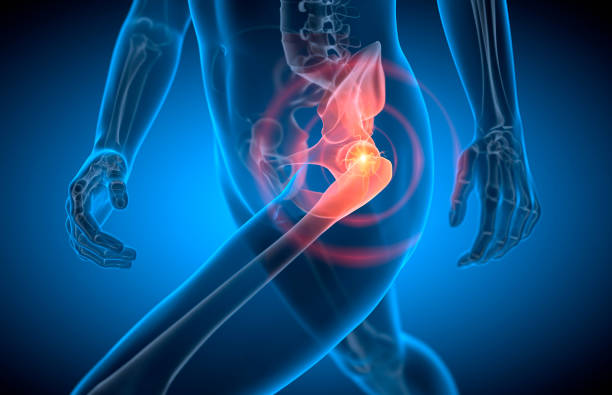
Hip pain can make walking, sitting, climbing stairs, exercising, and sleeping uncomfortable. Moreover, persistent discomfort can gradually affect your mobility and daily routine. Therefore, people searching for Hip Pain Treatment In Nagpur should consult an experienced orthopedic specialist for a detailed evaluation. In addition, the right treatment depends on the underlying cause, severity, age, activity level, and overall health. However, not every patient needs surgery because many hip conditions respond well to non-surgical care. As a result, an accurate diagnosis can help your doctor create a personalized treatment plan focused on reducing pain and improving hip function.
What Causes Hip Pain?
Hip pain can develop from several conditions affecting the joint, muscles, tendons, or surrounding tissues. Moreover, injuries, arthritis, overuse, and age-related changes can all contribute to discomfort. Therefore, common causes include:
- Hip osteoarthritis
- Avascular necrosis
- Sports injuries
- Muscle or tendon strain
- Bursitis
- Hip impingement
- Cartilage damage
- Joint inflammation
- Certain fractures
- Previous hip injuries
In addition, pain may sometimes originate from nearby areas such as the lower back or pelvis. As a result, proper evaluation helps identify the actual source before treatment begins.
Common Symptoms Of Hip Problems
Hip conditions can produce different symptoms depending on the underlying problem. Moreover, symptoms may develop gradually or appear after an injury. Therefore, consider an orthopedic consultation if you experience:
- Persistent hip pain
- Groin discomfort
- Pain while walking
- Hip stiffness
- Reduced range of motion
- Difficulty climbing stairs
- Pain while sitting or standing
- Difficulty sleeping because of hip pain
- Limping
- Reduced ability to exercise
In addition, sudden severe pain after an injury requires prompt medical attention. As a result, timely assessment can help prevent unnecessary delays in treatment.
Why Choose Professional Hip Pain Treatment?
Hip pain can have many possible causes, so treatment should match the diagnosis. Moreover, treating pain without understanding its source may not address the underlying problem. Therefore, an orthopedic specialist can evaluate your symptoms, medical history, movement, strength, and joint function. In addition, the doctor may recommend imaging when necessary to understand bone, cartilage, or soft-tissue changes. However, your treatment plan should depend on your individual findings rather than a one-size-fits-all approach. As a result, professional evaluation can help you choose appropriate care.
How Doctors Diagnose Hip Pain
An accurate diagnosis forms the foundation of effective hip care. Moreover, your orthopedic specialist will ask about your pain, previous injuries, daily activities, and treatment history. Therefore, the evaluation may include:
- Physical examination
- Hip movement assessment
- Strength testing
- Walking and gait assessment
- X-rays
- MRI when necessary
- Blood tests for selected conditions
- Other investigations based on symptoms
In addition, your doctor may examine the lower back and nearby joints when symptoms overlap. As a result, a detailed evaluation can help identify the most likely cause of your hip pain.
Non-Surgical Hip Pain Treatment
Many patients can manage hip pain without surgery when doctors identify the condition early and select appropriate treatment. Moreover, conservative care can focus on reducing symptoms while improving movement and strength. Therefore, your treatment may include:
- Physiotherapy
- Strengthening exercises
- Mobility exercises
- Activity modification
- Weight-management guidance
- Pain-relief medicines when appropriate
- Selected injections
- Supportive devices in specific cases
In addition, your doctor can monitor your progress and adjust the plan when necessary. However, you should follow professional guidance before starting exercises or medication. As a result, personalized non-surgical care can support better hip function.
Physiotherapy For Hip Pain
Physiotherapy can play an important role in many hip pain treatment programs. Moreover, targeted exercises can improve muscle strength, flexibility, balance, and movement control. Therefore, a physiotherapist may design exercises according to your condition and physical abilities. In addition, treatment can gradually progress as your hip function improves. However, exercises that increase pain may require modification or professional review. As a result, consistent rehabilitation can help you return to everyday activities with greater confidence.
Hip Pain Treatment For Arthritis
Hip arthritis can gradually damage cartilage and cause pain, stiffness, and reduced mobility. Moreover, symptoms may become more noticeable during walking, standing, or climbing stairs. Therefore, an orthopedic specialist may recommend lifestyle changes, physiotherapy, medication, or selected injections depending on your condition. In addition, regular movement and suitable strengthening can support joint function. However, advanced arthritis may require surgical evaluation when conservative treatments no longer provide sufficient relief. As a result, early assessment can help you understand your treatment options.
Book An Appointment For Hip Pain Treatment In Nagpur
Persistent hip pain can limit your independence and affect your quality of life. Moreover, an accurate diagnosis can help identify whether you need physiotherapy, medication, injections, activity modification, or surgery. Therefore, if you are searching for Hip Pain Treatment In Nagpur, schedule an appointment with an experienced orthopedic specialist. In addition, bring previous X-rays, MRI reports, prescriptions, and medical records if available. However, avoid self-diagnosis or delaying evaluation when symptoms continue. As a result, professional guidance can help you move toward appropriate treatment and better hip function.
Frequently Asked Questions (FAQ)
Hip pain treatment in Nagpur
Hip pain treatment in Nagpur