
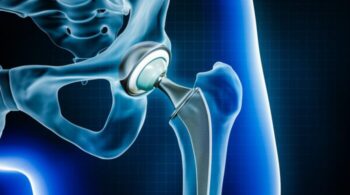
Hip Joint Function Improvement (United SSH)
Hip joint function improvement (United SSH) By Dr. Abhishek Bhalotia, practicing at Asian Institute Of Advanced Surgeries, focuses on restoring natural movement, flexibility, and stability of the hip joint. hip joint plays a crucial role in supporting body weight and enabling essential movements such as walking, standing, bending, and sitting. However, conditions such as arthritis, injuries, joint degeneration, or cartilage damage can reduce the joint’s ability to move smoothly. Therefore, targeted treatment approaches are designed to improve hip joint function and help patients regain comfortable mobility.
At Asian Institute Of Advanced Surgeries, orthopaedic surgeon Dr. Abhishek Bhalotia provides advanced orthopaedic care focused on improving hip joint function. Through modern treatment techniques and personalized rehabilitation strategies, patients can achieve better joint mobility and improved quality of life.
Understanding Hip Joint Function
The hip joint is a ball-and-socket joint that connects the thigh bone (femur) to the pelvic socket (acetabulum). This structure allows the joint to move in multiple directions while supporting body weight during daily activities.
Healthy cartilage inside the joint allows smooth and friction-free movement. However, when cartilage becomes damaged or worn down, the joint may become stiff and painful. As a result, movement may become restricted and daily activities may become difficult.
Hip joint function improvement focuses on restoring smooth movement, strengthening surrounding muscles, and improving joint stability.
Common Causes of Reduced Hip Joint Function
Several conditions can affect the natural movement of the hip joint.
Hip Osteoarthritis
Osteoarthritis gradually damages cartilage within the joint. Consequently, the joint may become painful and stiff.
Hip Injuries
Fractures, ligament injuries, or muscle strains may affect joint stability and movement.
Joint Degeneration
Over time, natural wear and tear may cause deterioration of the hip joint.
Inflammatory Conditions
Conditions such as rheumatoid arthritis may lead to joint inflammation and limited movement.
Muscle Weakness
Weak muscles around the hip joint may reduce support and lead to reduced mobility.
Early evaluation helps determine the cause of the problem and allows appropriate treatment planning.
Treatment Approaches for Hip Joint Function Improvement
Modern orthopaedic care offers several treatment approaches that help improve hip mobility and restore joint function.
Physical Therapy and Rehabilitation
Physical therapy plays an important role in improving hip joint movement. Therapeutic exercises strengthen the muscles surrounding the joint and improve flexibility.
As muscles become stronger, they provide better support to the hip joint, which helps improve stability and movement.
Lifestyle Modifications
Certain lifestyle adjustments may help protect the hip joint and improve mobility.
Examples include:
- Maintaining a healthy body weight
- Performing low-impact exercises
- Avoiding excessive strain on the hip joint
- Improving posture and movement habits
These changes help reduce stress on the joint and support long-term joint health.
Pain Management Treatments
Doctors may recommend medications or targeted therapies to reduce inflammation and discomfort. Consequently, patients may move more comfortably while participating in rehabilitation programs.
Minimally Invasive Hip Procedures
In certain cases, minimally invasive surgical procedures may be recommended to correct structural problems in the hip joint.
These procedures use smaller incisions and specialized instruments, which may support faster recovery and reduced tissue disruption.
Hip Replacement Surgery
When hip joint damage becomes severe, hip replacement surgery may be recommended. During this procedure, damaged joint surfaces are replaced with artificial implants designed to replicate natural joint movement.
As a result, many patients experience improved joint function, reduced pain, and increased mobility.
Benefits of Improving Hip Joint Function
Restoring proper hip joint function offers several benefits for overall mobility and daily comfort.
Improved Mobility
Patients may regain the ability to walk, stand, and move comfortably.
Reduced Pain
Treatment helps reduce inflammation and pressure within the joint.
Better Balance and Stability
Stronger muscles surrounding the hip joint provide improved support.
Increased Independence
Improved mobility allows individuals to perform everyday activities more easily.
Enhanced Quality of Life
Restoring joint function helps individuals maintain an active lifestyle.
Recovery and Rehabilitation
Recovery plays a critical role in restoring hip joint function. Rehabilitation programs are designed to gradually strengthen the joint and improve flexibility.
Common rehabilitation steps include:
- Structured physiotherapy exercises
- Gradual increase in physical activity
- Regular follow-up consultations
- Maintaining joint-friendly lifestyle habits
With consistent rehabilitation and medical guidance, many patients regain confidence in movement and improve overall joint health.
Hip Joint Function Improvement in Nagpur
Individuals experiencing persistent hip pain, stiffness, or mobility limitations should consider consulting an experienced orthopaedic specialist.
At Asian Institute Of Advanced Surgeries, Dr. Abhishek Bhalotia provides advanced diagnosis and treatment for hip joint conditions. The institute focuses on modern orthopaedic techniques, personalized treatment plans, and comprehensive rehabilitation programs.
Through advanced orthopaedic care and patient-focused treatment strategies, individuals can improve hip joint function and regain comfortable mobility.
Frequently Asked Questions (FAQs)
What causes reduced hip joint function?
Hip joint function may decrease due to arthritis, injuries, joint degeneration, or muscle weakness surrounding the hip.
Can hip joint function improve without surgery?
Yes. Many patients experience improvement through physical therapy, medications, lifestyle modifications, and rehabilitation programs.
When is hip replacement surgery recommended?
Hip replacement surgery may be recommended when severe joint damage causes persistent pain and limited mobility despite non-surgical treatments.
How long does recovery take after hip treatment?
Recovery time varies depending on the treatment method and the patient’s overall health. Rehabilitation programs help support faster recovery.
Where can I get hip joint treatment in Nagpur?
Patients can consult Dr. Abhishek Bhalotia at Asian Institute Of Advanced Surgeries, Nagpur for advanced hip joint treatment and mobility restoration.
Book Appointment with Dr. Abhishek Bhalotia at AIAS
If you are experiencing joint discomfort, restricted movement, or any musculoskeletal concerns, scheduling a consultation with Dr. Abhishek Bhalotia, MS Ortho, Fellow Joint Replacement (Hyd, UK), Robotic Joint Replacement Surgeon, can help you better understand your condition and explore appropriate care options. Early evaluation often helps patients address symptoms before they begin to interfere with everyday activities and mobility.
Consultations are available at Asian Institute of Advanced Surgeries (AIAS) in Nagpur, where patients receive a structured orthopaedic assessment focused on identifying factors affecting bone, joint, and movement health. During the visit, individuals can discuss their symptoms, medical history, lifestyle habits, and physical activity levels with Dr. Abhishek Bhalotia, ensuring a comprehensive evaluation and guidance toward suitable treatment options for improved joint function and mobility.