Hip pain and stiffness can make walking, climbing stairs, sitting, standing, and exercising difficult. Moreover, reduced hip movement can affect your independence and everyday comfort. Therefore, people looking for Hip Joint Function Improvement In Nagpur should consult an experienced orthopedic specialist for a detailed assessment. In addition, proper evaluation can identify problems such as arthritis, cartilage damage, injuries, tendon conditions, or other joint disorders. However, every patient needs an individualized approach. As a result, your specialist can recommend suitable treatment according to your symptoms, examination findings, imaging, activity level, and functional goals.
What Is Hip Joint Function?
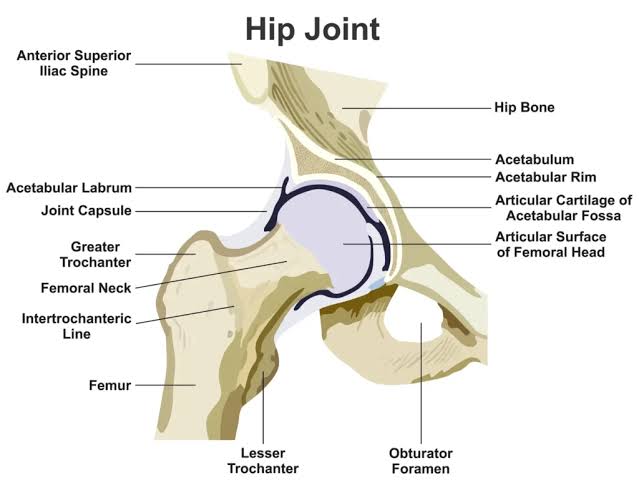
The hip joint connects the thigh bone with the pelvis and supports many everyday movements. Moreover, healthy hip function helps you walk, bend, sit, stand, and maintain balance. Therefore, pain, stiffness, weakness, or joint damage can interfere with normal movement. In addition, conditions such as arthritis, injuries, cartilage problems, and tendon disorders can reduce hip function. However, symptoms can vary significantly between patients. As a result, an orthopedic evaluation can help identify the cause and guide appropriate treatment.
Common Causes of Reduced Hip Function
Several conditions can affect hip movement and strength. Moreover, some problems develop gradually, while injuries can cause sudden symptoms. Therefore, common causes include:
- Hip osteoarthritis
- Hip injuries
- Cartilage damage
- Avascular necrosis
- Tendon problems
- Muscle weakness
- Hip stiffness
- Joint inflammation
- Previous fractures
- Repetitive physical stress
In addition, some patients can experience more than one contributing factor. As a result, a complete evaluation can help your doctor understand your specific condition.
Symptoms That May Affect Hip Function
Hip problems can interfere with both simple tasks and physical activities. Moreover, symptoms may become more noticeable after prolonged walking, standing, or exercise. Therefore, consider an orthopedic consultation if you experience:
- Persistent hip pain
- Hip stiffness
- Reduced range of motion
- Difficulty walking
- Pain while climbing stairs
- Difficulty standing from a chair
- Pain while sitting for long periods
- Reduced walking distance
- Hip weakness
- Difficulty performing routine activities
In addition, sudden severe pain after an injury requires prompt medical evaluation. As a result, timely diagnosis can help identify suitable treatment options.
How Doctors Assess Hip Joint Function
An orthopedic specialist begins by discussing your symptoms, medical history, previous injuries, and activity requirements. Moreover, the doctor may assess your walking pattern, hip movement, strength, flexibility, and stability. Therefore, imaging can provide additional information when necessary. X-rays can help identify bone and joint changes, while MRI can help assess selected soft-tissue and cartilage problems. In addition, your doctor may recommend other investigations when your condition requires them. As a result, detailed assessment helps create a treatment plan focused on improving functional hip movement.
Non-Surgical Hip Treatment
Many hip conditions can benefit from appropriate conservative care. Moreover, doctors often consider non-surgical options before recommending surgery when those treatments suit the patient’s condition. Therefore, your treatment plan may include:
- Physiotherapy
- Mobility exercises
- Muscle-strengthening exercises
- Activity modification
- Weight-management guidance
- Pain-management strategies
- Medication when clinically appropriate
- Walking or movement modifications
- Injections in selected cases
In addition, your doctor can monitor your progress and adjust the plan when necessary. However, persistent symptoms may require further investigation or surgical evaluation.
Physiotherapy For Hip Mobility
Physiotherapy can support hip movement, strength, balance, and everyday function. Moreover, targeted exercises can help address muscle weakness and movement limitations. Therefore, your physiotherapist may develop exercises according to your diagnosis, fitness level, and recovery goals. In addition, rehabilitation can include flexibility work, strengthening, balance training, walking practice, and functional exercises. However, exercises should match your condition and recovery stage. As a result, consistent professional rehabilitation can help you work toward better hip mobility and confidence.
Hip Arthritis And Joint Function
Hip arthritis can gradually cause pain, stiffness, and reduced movement. Moreover, patients may experience difficulty walking, putting on footwear, climbing stairs, or standing for long periods. Therefore, an orthopedic specialist can evaluate your symptoms and imaging before recommending treatment. In addition, early management may include physiotherapy, activity modification, medication, or other suitable options. However, advanced joint damage may require a discussion about hip replacement. As a result, timely assessment can help you understand your options and plan appropriate care.
Book An Appointment For Hip Joint Function Improvement In Nagpur
Hip pain and restricted movement can gradually affect your independence and quality of life. Moreover, accurate diagnosis can help identify whether you need physiotherapy, activity modification, medication, injections, joint preservation, or hip replacement. Therefore, if you are searching for Hip Joint Function Improvement In Nagpur, schedule a consultation with an experienced orthopedic specialist. In addition, bring your previous X-rays, MRI scans, prescriptions, and medical reports if available. However, seek prompt evaluation after a serious injury or sudden inability to bear weight. As a result, professional guidance can help you understand your condition and choose an appropriate treatment pathway.
Frequently Asked Questions (FAQ)
Hip joint function improvement in Nagpur
Hip joint function improvement in Nagpur
Consult Our Experienced Orthopaedic Surgeon for Detailed Guidance