What Does Joint Function Mean?
Joint function refers to how comfortably and effectively a joint supports movement and everyday activities. Moreover, healthy joints allow you to walk, bend, lift, reach, sit, and perform other movements with appropriate stability. Therefore, pain, stiffness, arthritis, cartilage damage, injuries, or joint deformity can affect normal function. In addition, an orthopedic specialist can assess movement, strength, stability, alignment, and pain levels. However, treatment should address the underlying cause rather than focus only on symptoms. As a result, proper diagnosis can guide a treatment strategy that supports improved joint function.
Enhanced joint function outcomes in Nagpur
Why Joint Function Matters
Good joint function supports independence and allows you to perform daily activities with greater confidence. Moreover, persistent pain can encourage people to reduce movement, which may gradually affect muscle strength and flexibility. Therefore, early orthopedic assessment can help identify problems that interfere with normal movement. In addition, appropriate exercise and rehabilitation can support strength and mobility. However, some patients may require surgical treatment when severe structural damage limits function. As a result, timely and personalized care can help suitable patients work toward better movement and everyday performance.
How Doctors Assess Joint Function
An orthopedic specialist begins by discussing your symptoms, previous injuries, activity level, and treatment history. Moreover, the doctor examines joint movement, strength, stability, alignment, and tenderness. Therefore, the specialist may recommend X-rays or other imaging when necessary. In addition, MRI or ultrasound can provide additional information about selected soft-tissue problems. However, doctors choose investigations according to the individual case. As a result, a detailed assessment can help create a focused treatment plan for improving joint function.
Physiotherapy For Enhanced Joint Function
Physiotherapy can play an important role in restoring movement and strength. Moreover, targeted exercises can improve flexibility, muscle control, balance, and functional movement. Therefore, your physiotherapist can develop exercises according to your condition and recovery stage. In addition, rehabilitation can help you gradually return to walking, work, exercise, and other activities. However, excessive exercise can aggravate some conditions. As a result, follow a structured rehabilitation plan and progress according to professional guidance.
Enhanced joint function outcomes in Nagpur
Knee Joint Function Improvement
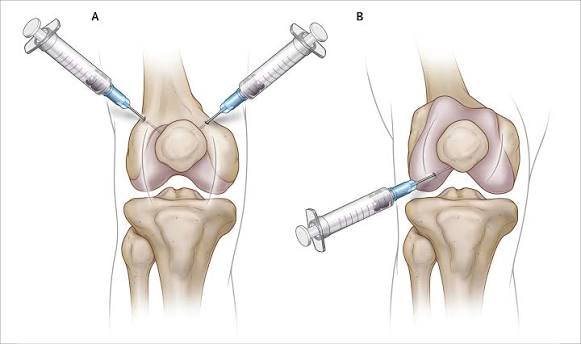
Knee problems can significantly affect walking, squatting, climbing stairs, and physical activity. Moreover, arthritis, ligament injuries, meniscus damage, and cartilage problems can reduce knee function. Therefore, an orthopedic specialist can evaluate knee movement, stability, strength, and alignment. In addition, treatment may include physiotherapy, activity modification, medication, arthroscopy, ligament treatment, or knee replacement for suitable advanced cases. However, treatment depends on the severity and cause of the problem. As a result, personalized knee care can help suitable patients work toward better mobility and functional movement.
Hip Joint Function Improvement
Hip pain can make walking, sitting, standing, and climbing stairs uncomfortable. Moreover, arthritis, cartilage damage, injuries, and other conditions can affect hip movement. Therefore, an orthopedic specialist can assess hip range of motion, strength, stability, and surrounding structures. In addition, treatment may include exercise, physiotherapy, activity modification, medication, injections, or hip replacement when appropriate. However, doctors need to identify the underlying cause before recommending treatment. As a result, accurate diagnosis can support a focused plan for improving hip function.
Enhanced joint function outcomes in Nagpur
Shoulder Joint Function Improvement
Shoulder function affects reaching, lifting, dressing, working, and many recreational activities. Moreover, rotator cuff injuries, frozen shoulder, arthritis, instability, and labral problems can limit movement. Therefore, an orthopedic specialist can assess shoulder strength, flexibility, stability, and range of motion. In addition, physiotherapy and activity modification can help selected patients regain functional movement. However, some structural injuries may require arthroscopic or other surgical treatment. As a result, individualized care can help suitable patients work toward better shoulder function.
Role Of Arthroscopic Surgery
Arthroscopy allows surgeons to examine and treat selected joint conditions through small surgical openings. Moreover, surgeons commonly use arthroscopic techniques for certain knee and shoulder problems. Therefore, an orthopedic specialist may recommend arthroscopy when your diagnosis supports a surgical approach. In addition, the surgeon can address selected ligament, meniscus, cartilage, or other joint problems during the procedure. However, arthroscopy does not suit every condition. As a result, your specialist should compare surgical and non-surgical options before recommending treatment.
Joint Replacement And Functional Recovery
Severe joint damage can limit movement despite appropriate conservative treatment. Moreover, advanced arthritis can affect walking, standing, sleeping, and everyday independence. Therefore, an orthopedic surgeon may consider joint replacement when symptoms significantly affect your quality of life. In addition, the surgeon evaluates joint damage, alignment, health, activity requirements, and functional goals. However, joint replacement requires appropriate rehabilitation after surgery. As a result, surgery combined with structured recovery can help suitable patients work toward improved joint function.
Enhanced joint function outcomes in Nagpur
Importance Of Accurate Surgical Planning
Careful planning helps surgeons understand the patient’s anatomy and treatment requirements. Moreover, imaging can provide important information about joint structure and damage. Therefore, surgeons may use digital planning, computer-assisted techniques, or robotic systems during selected procedures. In addition, these technologies can provide additional information for surgical decision-making. However, technology does not replace the surgeon’s experience or clinical judgment. As a result, personalized planning remains an important part of achieving appropriate surgical and functional goals.
Rehabilitation After Joint Surgery
Rehabilitation supports the transition from surgery toward everyday activity. Moreover, patients often need progressive exercises to rebuild strength, movement, balance, and coordination. Therefore, physiotherapists can adjust rehabilitation according to recovery progress. In addition, rehabilitation may include walking practice, flexibility exercises, strengthening, and functional training. However, recovery timelines vary from person to person. As a result, following your personalized rehabilitation program can support steady progress without placing unnecessary stress on the healing joint.
Book An Appointment For Enhanced Joint Function Outcomes In Nagpur
Persistent joint pain should not continue to limit your everyday life without evaluation. Moreover, early assessment can help identify the underlying problem and available treatment options. Therefore, if you are searching for Enhanced Joint Function Outcomes In Nagpur, schedule a consultation with an experienced orthopedic specialist. In addition, bring previous X-rays, MRI reports, prescriptions, and medical records if available. However, your doctor should recommend treatment only after evaluating your individual condition. As a result, personalized diagnosis, treatment planning, and rehabilitation can help you work toward better mobility and functional independence.