Asian Institute Of Advanced Surgeries


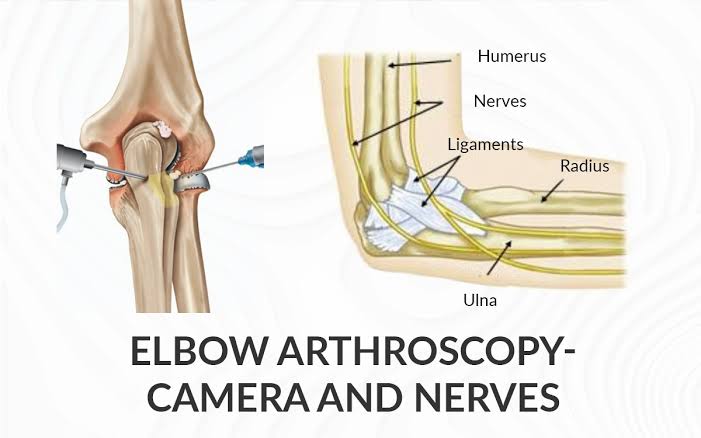
What Is Elbow Arthroscopy?
When Do You Need ?
Doctors may recommend elbow arthroscopy when elbow pain, stiffness, or restricted movement continues despite suitable non-surgical care. Moreover, your symptoms and examination help determine whether the procedure can benefit you.
You may need an evaluation if you experience:
- Persistent elbow pain
- Difficulty bending or straightening the arm
- Repeated elbow swelling
- Joint stiffness
- Loose pieces inside the elbow
- Pain during sports or physical activity
- Clicking or catching sensations
- Limited arm movement
- Symptoms that continue after conservative treatment
Therefore, you should not ignore ongoing elbow problems. Early evaluation can help identify the cause and guide appropriate treatment.
Conditions Treated With Elbow Arthroscopy
Elbow Arthroscopy In Nagpur
Elbow arthroscopy can help treat several conditions that affect the joint. However, the surgeon chooses the procedure according to your symptoms, examination, scans, and overall health.
Elbow Stiffness
Elbow stiffness can develop after an injury, surgery, inflammation, or prolonged immobilization. Moreover, stiffness can make everyday movements difficult. Arthroscopy may help release tight tissue and improve joint movement in suitable cases.
Loose Bodies
Small pieces of bone or cartilage can sometimes move inside the elbow joint. These loose bodies may cause pain, clicking, locking, or restricted movement. Therefore, the surgeon may remove them through arthroscopy.
Tennis Elbow
Some patients with long-lasting tennis elbow may not improve with conservative treatment. In selected cases, arthroscopy can help the surgeon address damaged tissue around the affected tendon. Moreover, the surgeon evaluates the condition carefully before recommending surgery.
Elbow Arthritis
Arthritis can cause pain, stiffness, swelling, and reduced movement. Arthroscopy may help selected patients by removing loose tissue or treating certain problems inside the joint. However, advanced arthritis may require a different treatment approach.
Cartilage Problems
Cartilage damage can affect smooth joint movement. Therefore, your orthopedic surgeon may use arthroscopy to inspect the cartilage and perform suitable treatment when appropriate.
Sports-Related Elbow Problems
Athletes may develop elbow problems from repeated throwing, lifting, or other movements. Moreover, arthroscopy can help treat selected internal joint problems and support a planned return to activity.
Why Choose Elbow Arthroscopy In Nagpur ?
Elbow arthroscopy uses smaller cuts than open surgery. Therefore, it may cause less harm to the nearby tissues. However, the benefits can vary based on your health and elbow problem.
Possible benefits include:
- Smaller cuts
- Less harm to nearby tissues
- Less pain after surgery in many cases
- A clear view of the elbow joint
- Treatment of some problems during the same surgery
- Early arm movement in some cases
- Smaller scars
- A clear recovery plan
Moreover, every patient heals at a different speed. Your elbow problem, age, health, daily activity, and rehab plan can affect your recovery time. Therefore, your doctor will suggest the right care based on your needs.
Procedure
Elbow Arthroscopy In Nagpur
Before surgery, your orthopedic surgeon evaluates your symptoms and examines your elbow. Moreover, the doctor may recommend X-rays, MRI scans, or other tests when needed. These tests help identify the underlying problem and plan treatment.
During elbow arthroscopy, the surgeon usually gives anesthesia to keep you comfortable. The surgeon then creates small openings around the elbow. Next, the surgeon inserts the arthroscope into the joint. Therefore, the camera provides a detailed view of the joint structures.
The surgeon may insert specialized instruments through other small openings. These instruments can help remove loose bodies, treat damaged tissue, address stiffness, or manage other suitable problems. Finally, the surgeon closes the small openings and provides post-operative instructions.
Diagnosis Before Elbow Arthroscopy
Accurate diagnosis plays an important role in successful treatment. Therefore, your orthopedic specialist first reviews your symptoms, medical history, previous injuries, and activity level.
The examination may include:
- Checking elbow movement
- Assessing pain
- Testing arm strength
- Looking for swelling
- Evaluating joint stability
- Reviewing previous treatment
- Ordering imaging tests when required
Moreover, your doctor may recommend physiotherapy or other non-surgical options before considering surgery. This approach helps ensure that you receive the most suitable treatment for your condition.
Elbow Arthroscopy vs Open Surgery
Elbow Arthroscopy In Nagpur
Both arthroscopic and open surgery have specific uses. Elbow arthroscopy uses small openings and specialized instruments. Therefore, it can provide access to certain parts of the joint with less disruption to surrounding tissues.
Open surgery may offer better access for some complex conditions. However, your orthopedic surgeon decides between the two approaches based on the problem, location, severity, and treatment goals.
Moreover, you should not choose a procedure only because it uses smaller incisions. A suitable treatment plan should focus on safety, accurate diagnosis, and long-term function.
Recovery
Elbow Arthroscopy In Nagpur
Recovery depends on the type of treatment performed during the procedure. Moreover, your doctor will provide instructions based on your individual condition.
After surgery, you may experience some pain, swelling, or stiffness. Your medical team may recommend medicines, ice application, activity restrictions, and exercises. Therefore, following these instructions can support a smoother recovery.
Your physiotherapist may introduce gentle movements at the appropriate stage. Later, the program may include strengthening exercises and functional activities. As a result, gradual rehabilitation can help restore elbow movement and strength.
You should avoid heavy lifting and strenuous activities until your doctor gives you clearance. Returning to sports too early can increase the risk of further injury.
Physiotherapy After Elbow Arthroscopy
Physiotherapy plays an important role in elbow recovery. However, the exercises should match your surgery and healing stage.
A rehabilitation program may include:
- Gentle range-of-motion exercises
- Stretching
- Strengthening exercises
- Grip exercises
- Functional movements
- Activity-specific training
- Gradual return to sports or work
Moreover, regular exercises can help improve flexibility and strength. Therefore, you should follow the rehabilitation schedule provided by your orthopedic and physiotherapy team.
Who Can Benefit From Elbow Arthroscopy?
Elbow arthroscopy may benefit patients with specific joint problems that respond well to minimally invasive treatment. However, not every elbow condition requires surgery.
You may benefit from an evaluation if you have:
- Long-term elbow pain
- Persistent stiffness
- Repeated swelling
- Loose bodies in the joint
- Certain cartilage problems
- Sports-related joint problems
- Symptoms that affect daily activities
- Limited improvement with non-surgical treatment
Therefore, an orthopedic consultation can help determine whether arthroscopy suits your condition.
How Can You Prepare ? | Elbow Arthroscopy In Nagpur
Your surgeon will provide specific instructions before surgery. Moreover, preparation may include medical tests, medication review, and instructions about eating and drinking before anesthesia.
Tell your doctor about all medicines and supplements you take. In addition, inform the medical team about allergies and previous reactions to anesthesia.
You should also arrange suitable support for the first part of your recovery. Therefore, planning ahead can make your post-operative period more comfortable.
When Should You See an Orthopedic Doctor? | Elbow Arthroscopy In Nagpur
You should consider an orthopedic consultation when elbow pain continues, affects daily activities, or limits movement. Moreover, repeated swelling, locking, clicking, or weakness may require professional evaluation.
Do not depend on pain medicines for long periods without identifying the cause. Therefore, early assessment can help prevent prolonged discomfort and functional limitations.
If your symptoms started after a fall, sports injury, or accident, seek medical attention promptly. As a result, the doctor can assess the injury and recommend appropriate care.