
Advanced Elbow Pain Treatment with Minimally Invasive Surgery
What is Elbow Arthroscopy?
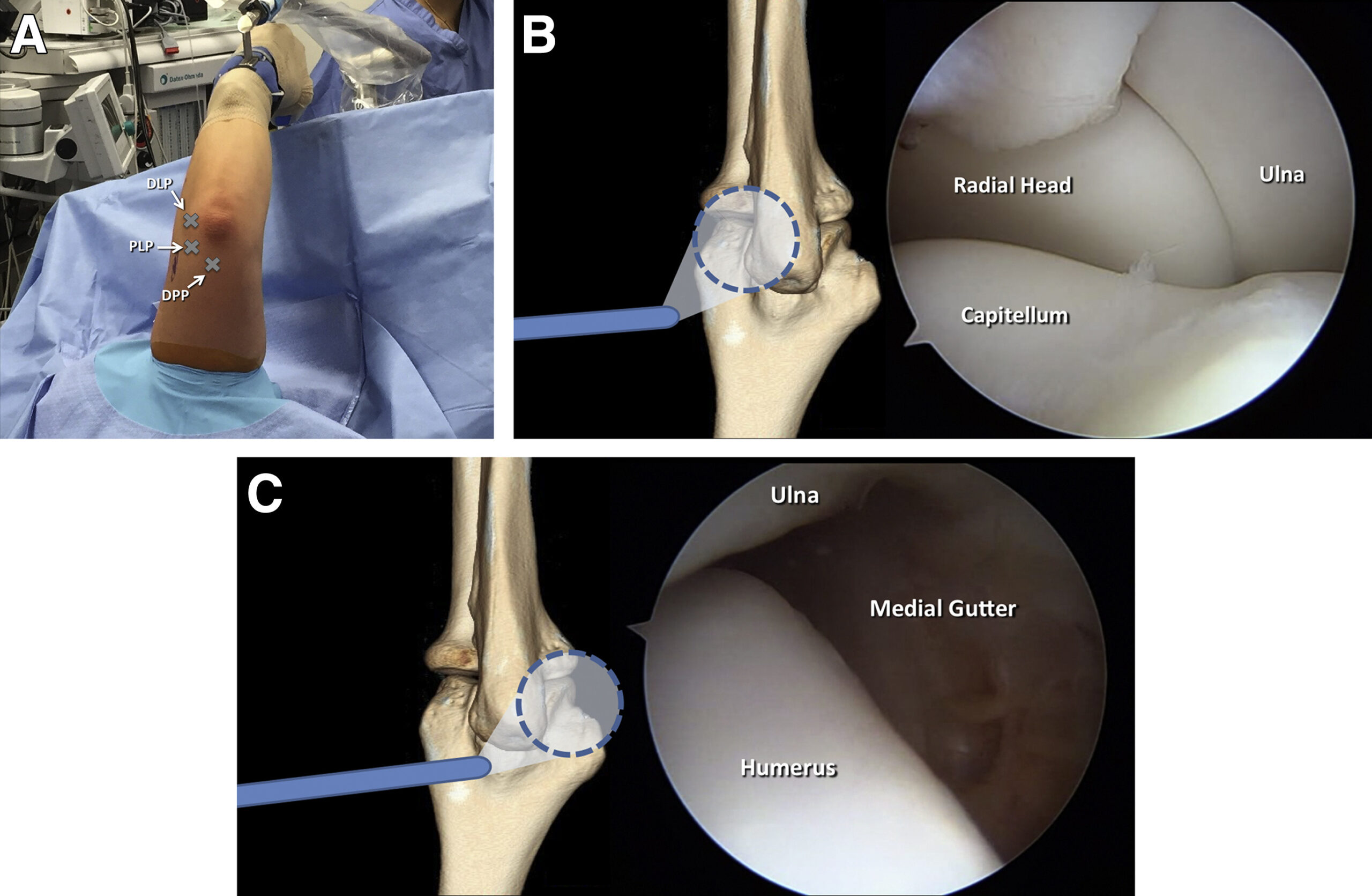
Elbow arthroscopy is an advanced orthopaedic surgical procedure that surgeons perform using a tiny high-definition camera called an arthroscope. Through this technique, doctors directly visualize the internal structures of the elbow joint on a monitor.
Furthermore, surgeons insert specialized surgical instruments through small incisions to treat damaged tissues. As a result, this procedure minimizes soft tissue damage and promotes faster healing.
Unlike traditional surgery, elbow arthroscopy requires only small surgical openings. Therefore, patients experience reduced postoperative discomfort and shorter hospital stays.
Patient-Centered Treatment Approach
Doctors at Asian Institute of Advanced Surgeries focus on individualized care.
Firstly, they evaluate medical history carefully.
Secondly, they recommend customized treatment strategies.
Finally, they monitor recovery progress through follow-up visits.
When Should You Consult an Orthopaedic Specialist?
You should visit a specialist if elbow pain:
Firstly, Persists for more than a few days
Once, Interferes with daily work
Causes movement restriction
Affects sports performance
Therefore, early treatment helps prevent chronic joint problems.
Conditions Treated with Elbow Arthroscopy
At Asian Institute of Advanced Surgeries, specialists treat multiple elbow joint problems using arthroscopic techniques.
1. Elbow Joint Impingement
Elbow impingement occurs when bone or soft tissue becomes compressed inside the joint. Firstly, surgeons remove obstructing tissue to restore normal movement.
2. Elbow Ligament Injuries
Sports injuries and accidents can damage elbow ligaments. In such cases, surgeons repair torn ligaments to improve joint stability.
3. Loose Body Removal
Sometimes small bone or cartilage fragments move freely inside the joint. Through arthroscopy, surgeons remove these fragments to prevent locking and pain.
4. Cartilage Damage
Cartilage injuries reduce joint smoothness and cause stiffness. Furthermore, surgeons clean and repair damaged cartilage surfaces.
5. Synovitis Treatment
Inflammation of the joint lining may cause swelling and pain. Therefore, surgeons remove inflamed tissue to reduce symptoms.
6. Tennis Elbow and Sports Injuries
Athletes often suffer from repetitive strain injuries. Consequently, arthroscopic treatment helps restore performance and reduce chronic pain.
Request a Callback
Signs and Symptoms That Require Elbow Evaluation
Patients should consult an orthopaedic specialist if they experience:
Persistent elbow pain
Swelling or stiffness
Difficulty bending or straightening the arm
Joint locking sensation
Weak grip strength
Sports-related injury pain
Moreover, early consultation helps prevent long-term joint damage.
Advanced Elbow Arthroscopy Procedure
Surgeons perform elbow arthroscopy under regional or general anesthesia to ensure patient comfort.
Initially, the surgeon makes two or three small incisions around the elbow joint. After that, a high-definition camera is inserted to examine joint structures.
Meanwhile, specialized surgical tools are introduced to perform treatment procedures.
The surgeon may:
Remove damaged tissue
Repair ligament injuries
Smooth cartilage surfaces
Remove loose fragments
Treat inflammation
Furthermore, surrounding healthy tissues remain preserved during surgery.
As a result, patients experience minimal bleeding, less pain, and faster recovery.
Benefits of Elbow Arthroscopy Treatment
Elbow arthroscopy provides several medical and lifestyle benefits.
Minimally Invasive Surgery
Firstly, this procedure requires only small incisions. Therefore, surgical trauma remains minimal.
Faster Recovery
Moreover, patients return to daily activities sooner compared to open surgery.
Less Postoperative Pain
Consequently, reduced tissue damage leads to less pain.
Smaller Surgical Scars
In addition, cosmetic appearance improves due to small incision size.
Improved Joint Function
Ultimately, elbow mobility and strength improve significantly.
Recovery After Elbow Arthroscopy
Recovery time depends on the severity of the condition and the complexity of the surgical procedure. In general, more severe injuries may require longer healing periods.
Initially, patients may need to use a sling for proper arm support and protection of the surgical repair. After that, physiotherapy is started under strict medical supervision to restore movement, strength, and joint stability.
Subsequently, recovery progresses through important healing milestones, which may include:
Reduced pain within a few days, allowing better comfort during daily activities
Improved joint movement within a few weeks, as stiffness gradually decreases
Return to light work within 2–3 weeks, depending on individual healing progress
Full functional recovery may take several months, especially in complex cases
Moreover, strictly following the prescribed rehabilitation program plays a crucial role in achieving optimal long-term outcomes. Therefore, patients should attend follow-up visits regularly and perform recommended exercises. Ultimately, proper post-surgery care helps restore elbow strength, mobility, and overall joint health.
Why Choose Asian Institute of Advanced Surgeries?
At Asian Institute of Advanced Surgeries, patients receive comprehensive orthopaedic care.
In particular, the hospital provides:
Experienced orthopaedic surgeons
Advanced arthroscopic surgical technology
Modern operation theatre facilities
Personalized treatment planning
Structured rehabilitation programs
Moreover, the medical team focuses on patient safety, comfort, and long-term joint health.