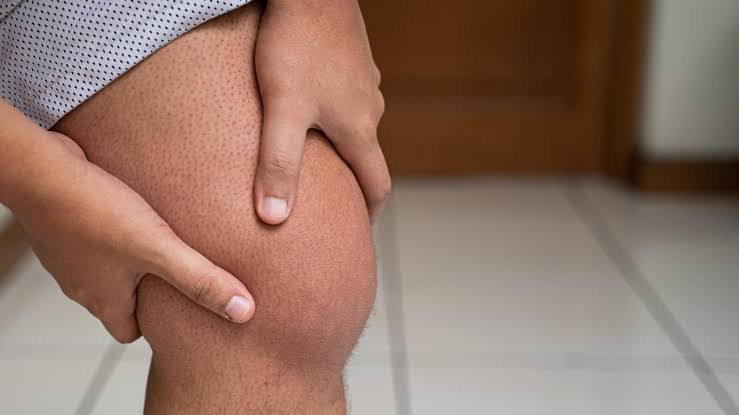
Knee arthritis can begin with mild discomfort, occasional stiffness, or pain after physical activity. Moreover, early symptoms can gradually affect walking, stairs, exercise, and other daily activities. Therefore, people looking for Early Stage Knee Arthritis Care In Nagpur should consider an orthopedic consultation before symptoms become more difficult to manage. In addition, early evaluation allows a specialist to understand the condition and recommend suitable lifestyle changes, exercises, medicines, or other treatments. However, every patient experiences arthritis differently. As a result, personalized care can help protect knee function and support better mobility.
What Is Early Stage Knee Arthritis?
Early stage knee arthritis usually involves changes in the joint that may cause mild pain, stiffness, or reduced comfort during movement. Moreover, cartilage can gradually lose its healthy structure as arthritis progresses. Therefore, activities such as walking, climbing stairs, squatting, or standing for long periods may become uncomfortable. In addition, some people notice symptoms only after prolonged activity. However, early symptoms do not always indicate severe joint damage. As a result, a professional assessment can help identify the cause of your discomfort and guide an appropriate care plan.
Why Early Knee Arthritis Care Matters
Early attention can help you understand knee symptoms before they significantly interfere with your routine. Moreover, appropriate care can support muscle strength, joint mobility, healthy activity, and weight management. Therefore, an orthopedic specialist may recommend conservative measures based on your symptoms and examination. In addition, regular monitoring can help your doctor understand how the condition changes over time. However, early care cannot guarantee that arthritis will never progress. As a result, consistent management and realistic expectations remain important for long-term knee health.
Common Causes Of Knee Arthritis
Knee arthritis can develop because of several factors. Moreover, age-related joint changes represent one common contributor, while previous injuries can also increase the risk of later arthritis. Therefore, your specialist may consider factors such as:
- Age-related joint degeneration
- Previous knee injuries
- Meniscus injuries
- Ligament injuries
- Excess body weight
- Repetitive stress on the knee
- Joint alignment problems
- Previous knee surgery
- Certain inflammatory joint conditions
- Family history and individual risk factors
In addition, several factors can occur together. As a result, your doctor should evaluate your individual history rather than rely on one possible cause.
Early Symptoms Of Knee Arthritis
Early arthritis can produce subtle symptoms that people sometimes overlook. Moreover, symptoms may appear during specific activities rather than throughout the entire day. Therefore, watch for:
Mild knee pain after activity
Morning or after-rest stiffness
Occasional knee swelling
Discomfort while climbing stairs
Pain during squatting
Reduced flexibility
Mild grinding or clicking sensations
Difficulty with prolonged walking
Reduced exercise tolerance
Symptoms that gradually become more frequent
However, these symptoms can also occur with other knee conditions. As a result, an orthopedic evaluation can help identify the actual cause.
How Doctors Diagnose Early Knee Arthritis
An orthopedic specialist starts with your symptoms, medical history, activity level, previous injuries, and treatment history. Moreover, the doctor examines knee movement, alignment, tenderness, strength, and stability. Therefore, your specialist may recommend an X-ray when imaging can help assess joint changes. In addition, doctors may recommend other investigations when your symptoms suggest another condition or require further evaluation. However, doctors should interpret imaging alongside your symptoms and physical examination. As a result, a comprehensive assessment can provide a clearer understanding of your knee condition.
Non-Surgical Early Arthritis Treatment
Early arthritis often allows doctors to focus on conservative treatment. Moreover, your treatment plan should match your symptoms, activity level, health, and functional goals. Therefore, your specialist may recommend:
- Physiotherapy
- Muscle-strengthening exercises
- Flexibility exercises
- Activity modification
- Weight-management support
- Appropriate pain-management strategies
- Walking and movement guidance
- Selected braces or supports
- Injections in appropriate cases
- Regular clinical monitoring
In addition, your doctor can adjust the plan according to your progress. As a result, consistent conservative care can help you manage symptoms and maintain everyday function.
Physiotherapy For Early Knee Arthritis
Physiotherapy can play an important role in early arthritis management. Moreover, stronger muscles can support knee function during everyday movement. Therefore, a physiotherapist may design exercises that improve quadriceps strength, flexibility, balance, and movement control. In addition, your program can gradually progress as your strength and comfort improve. However, exercise selection should match your condition and physical ability. As a result, professional guidance can help you exercise safely while working toward better mobility.
Book An Appointment For Early Stage Knee Arthritis Care In Nagpur
Do not let recurring knee discomfort gradually limit your daily activities. Moreover, early consultation can help you understand your symptoms and explore appropriate treatment options. Therefore, if you are looking for Early Stage Knee Arthritis Care In Nagpur, schedule an appointment with an orthopedic specialist for a detailed knee evaluation.
Frequently Asked Questions (FAQ)
Early stage knee arthritis care in Nagpur
Early stage knee arthritis care in Nagpur
Consult Our Experienced Orthopaedic Surgeon for Detailed Guidance