Asian Institute Of Advanced Surgeries

Diabetic Foot Treatment In Nagpur
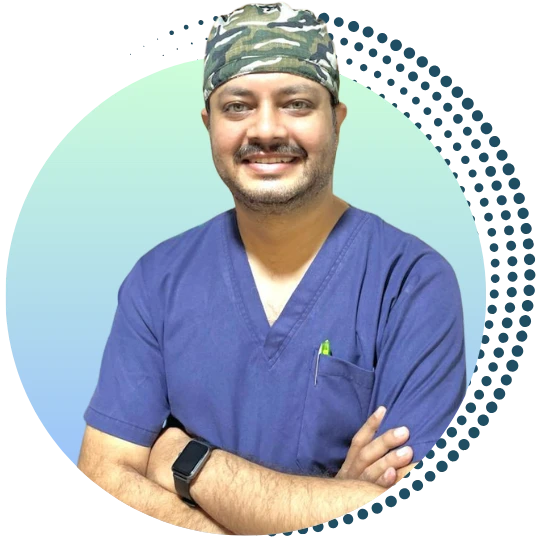
Welcome to the world of aesthetic transformation led by Dr. Siddharth Mendiratta. With a profound passion for the art and science of plastic surgery, Dr Siddharth Mendiratta is dedicated to helping individuals achieve their unique vision of beauty and confidence.
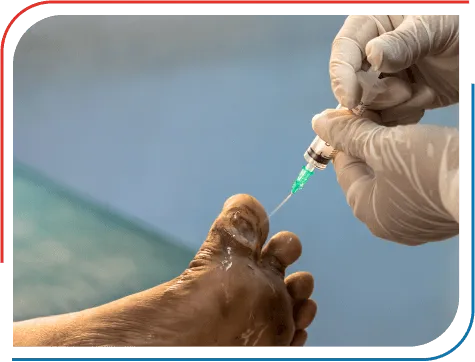
Diabetic Foot Treatment In Nagpur at Asian Institute of Advanced Surgeries (AIAS) provides personalized care for foot wounds, ulcers, tissue loss, infections, and other complications associated with diabetes. Diabetes can affect sensation and blood circulation in the feet. As a result, a small cut, blister, pressure area, or wound may go unnoticed or take longer to heal. Dr. Siddharth Mendiratta carefully examines the affected foot before recommending treatment. He evaluates the wound size, depth, location, tissue condition, circulation, sensation, infection, previous treatment, and overall health. He also considers how the wound affects walking, standing, and daily activities. Based on these findings, treatment may involve specialized wound care, removal of unhealthy tissue, wound closure, skin grafting, or reconstructive surgery when appropriate. At AIAS, the treatment approach is planned according to the patient’s individual condition.
What Is Diabetic Foot Treatment?
Diabetic foot treatment focuses on managing wounds and tissue problems that can develop because of diabetes. Reduced sensation may make injuries difficult to notice. Changes in circulation can also affect the healing process.
Common diabetic foot concerns include:
➤ Non-healing foot wounds
➤ Diabetic foot ulcers
➤ Skin breakdown
➤ Foot infections
➤ Tissue loss
➤ Pressure-related wounds
➤ Reduced foot sensation
➤ Wounds requiring reconstructive coverage
Early assessment can help identify the condition and guide an appropriate treatment plan.
Diabetic Foot Ulcer Treatment In Nagpur
A diabetic foot ulcer can develop after minor trauma, pressure, footwear-related irritation, or skin damage. When sensation is reduced, a patient may not notice the injury at an early stage.
Dr. Siddharth Mendiratta assesses the ulcer carefully. He considers:
➤ Size and depth of the ulcer
➤ Location of the wound
➤ Condition of the wound bed
➤ Surrounding skin and soft tissue
➤ Signs of infection
➤ Blood supply
➤ Sensation and nerve function
➤ Previous wound treatment
Depending on the wound, treatment may include wound cleaning, debridement, appropriate wound care, pressure management, or reconstructive procedures when needed.
Treatment For Non-Healing Diabetic Foot Wounds
Some diabetic foot wounds may remain open despite routine care. Several factors can contribute to delayed healing. These may include poor circulation, infection, pressure, tissue damage, or reduced sensation. Treatment focuses on understanding why the wound has not healed. Dr. Siddharth Mendiratta examines the wound and surrounding tissues before recommending the next step.
Depending on the condition, care may involve:
➤ Wound cleaning and preparation
➤ Removal of unhealthy tissue
➤ Wound dressing and care
➤ Pressure reduction
➤ Management of selected infections
➤ Skin grafting
➤ Reconstructive surgery
The treatment plan depends on the wound’s condition and the patient’s overall health.
Diabetic Foot Infection Treatment
An infected diabetic foot wound requires careful assessment. Redness, swelling, warmth, discharge, unpleasant odour, or worsening pain may indicate a problem. Some infections can also involve deeper tissues.
Dr. Siddharth Mendiratta examines the affected area and assesses the extent of the infection. When surgical treatment is appropriate, it may involve removing unhealthy or infected tissue and managing the resulting wound.
The treatment approach depends on the location and severity of the infection. Patients may also require care from other medical specialists when diabetes, circulation, or infection needs additional management.
Diabetic Foot Debridement
Debridement involves removing dead, damaged, or unhealthy tissue from a wound. This can help prepare the wound for further treatment when the wound contains tissue that interferes with healing.
Dr. Siddharth Mendiratta examines the wound before deciding whether debridement may be appropriate. The amount of tissue removed depends on the wound depth, tissue condition, location, and surrounding structures.
After debridement, the wound may continue with appropriate wound care. In selected cases, additional reconstruction may be considered once the wound is suitable for coverage.
Diabetic Foot And Tissue Loss In Nagpur
Advanced wounds can sometimes cause significant loss of skin and soft tissue. When the wound cannot achieve adequate coverage on its own, reconstructive treatment may become part of the care plan.Depending on the defect, treatment may include:
➤ Wound closure
➤ Skin grafting
➤ Local tissue reconstruction
➤ Flap reconstruction
➤ Selected microsurgical reconstruction
Dr. Siddharth Mendiratta evaluates the size, depth, location, and condition of the tissue defect. He also considers blood supply and foot function before recommending reconstruction.
Skin Grafting For Diabetic Foot Wounds
Some wounds may need additional skin coverage after the wound bed has been appropriately prepared. In selected cases, skin grafting may provide coverage for areas where direct wound closure is not suitable.
Before recommending skin grafting, Dr. Siddharth Mendiratta assesses:
➤ Wound size and location
➤ Condition of the wound bed
➤ Blood supply
➤ Surrounding tissue quality
➤ Presence of infection
➤ Overall health
➤ Functional requirements
If grafting is appropriate, he explains the procedure, donor area, healing process, possible risks, and aftercare.
Reconstructive Surgery For Diabetic Foot Treatment In Nagpur
Not every diabetic foot wound requires reconstructive surgery. Many wounds may improve with appropriate medical and wound care. However, selected complex wounds may require surgery when significant tissue loss or inadequate coverage affects healing.
Reconstructive surgery may be considered for:
➤ Large tissue defects
➤ Complex non-healing wounds
➤ Selected post-infection wounds
➤ Inadequate soft tissue coverage
➤ Wounds requiring skin grafting
➤ Selected wounds requiring tissue reconstruction
Dr. Siddharth Mendiratta chooses the procedure after evaluating the wound, surrounding tissues, circulation, functional requirements, and overall condition.
Assessment Of Blood Supply In Diabetic Foot Treatment In Nagpur
Healthy blood flow supports tissue healing. When circulation is reduced, a diabetic foot wound may have difficulty healing properly.
During the assessment, Dr. Siddharth Mendiratta considers the condition of the affected foot and surrounding tissues. If circulation appears to be a concern, further vascular evaluation may form part of the patient’s overall treatment plan.
This assessment becomes particularly important before selected reconstructive procedures. The treatment plan should account for the condition of the tissues and their ability to heal.
Diabetic Neuropathy And Foot Wounds
Diabetes can affect the nerves in the feet. Reduced sensation may make it difficult to notice minor injuries. A person may continue walking on an injured area without realizing that damage has occurred.
Dr. Siddharth Mendiratta considers:
➤ Changes in foot sensation
➤ Presence of wounds or ulcers
➤ Pressure areas
➤ Skin condition
➤ Foot structure
➤ Movement and function
Identifying these problems early can help guide treatment. Patients with diabetes should pay attention to new wounds or changes in the appearance of their feet.
Recovery After Diabetic Foot Treatment
Recovery depends on the wound’s severity and the type of treatment performed. Blood supply, infection, tissue condition, diabetes management, and individual healing can also influence recovery.
Some patients may need temporary restrictions on walking or certain activities. Depending on the procedure, wound dressings, regular follow-up, rehabilitation, or additional wound care may be required.
Dr. Siddharth Mendiratta provides personalized aftercare instructions. During follow-up appointments, he monitors wound healing and addresses recovery-related concerns.
Why Choose AIAS For Diabetic Foot Treatment?
Asian Institute of Advanced Surgeries (AIAS) provides personalized plastic and reconstructive care for selected diabetic foot wounds and tissue-related concerns. Dr. Siddharth Mendiratta focuses on understanding the wound and surrounding tissues before recommending treatment.
The approach includes:
➤ Detailed wound assessment
➤ Evaluation of tissue and skin condition
➤ Assessment of circulation and sensation
➤ Individualized treatment planning
➤ Wound reconstruction when appropriate
➤ Clear explanation of treatment options
➤ Realistic recovery expectations
➤ Personalized aftercare guidance
The treatment plan is designed around the patient’s wound, overall health, functional needs, and individual recovery requirements.
Frequently Asked Questions (FAQ) For Diabetic Foot Treatment In Nagpur
1. What Is Diabetic Foot Treatment In Nagpur?
Diabetic Foot Treatment In Nagpur involves evaluating and managing selected foot wounds, ulcers, infections, tissue loss, and other foot problems associated with diabetes.
2. When Should I See A Doctor For A Diabetic Foot Wound?
You should seek medical evaluation for a wound that does not heal, becomes red or swollen, produces discharge, or changes in appearance.
3. Can A Diabetic Foot Ulcer Heal Without Surgery?
Some ulcers may improve with appropriate wound care and medical management. However, complex or non-healing wounds may require surgical assessment.
4. What Causes Diabetic Foot Ulcers?
Ulcers may develop after pressure, minor injuries, footwear-related irritation, skin breakdown, or other trauma. Reduced sensation can make these injuries harder to notice.
5. Is Skin Grafting Used For Diabetic Foot Wounds?
Selected wounds may require skin grafting when they need additional coverage. Dr. Siddharth Mendiratta first assesses the wound and surrounding tissues to determine whether grafting is suitable.