
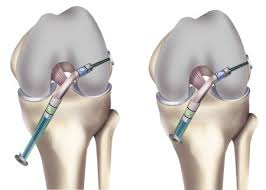
Cruciate Ligament Repair and Reconstruction in Nagpur – Treatment by Dr. Siddharth Jain
Cruciate ligaments, especially the anterior cruciate ligament (ACL) and posterior cruciate ligament (PCL), play a crucial role in stabilizing the knee during movement. Injuries to these ligaments can cause severe pain, swelling, and instability, often affecting walking, running, and daily activities. Therefore, seeking specialized cruciate ligament repair and reconstruction in Nagpur ensures proper diagnosis and effective treatment. At Asian Institute of Advanced Surgeries, patients undergo a detailed evaluation to assess ligament damage, knee stability, and overall joint health. Moreover, Dr. Siddharth Jain considers the injury mechanism, lifestyle factors, and functional requirements before designing a personalized treatment plan that restores stability and supports long-term knee function.
Understanding Cruciate Ligament Injuries
Cruciate ligament injuries commonly involve tears or ruptures of the ACL or PCL due to sudden twists, impacts, or hyperextension of the knee. At Asian Institute of Advanced Surgeries, Dr. Siddharth Jain performs a thorough clinical assessment to identify affected ligaments and evaluate the degree of instability. Imaging tests, including MRI, help confirm the diagnosis and reveal associated cartilage or meniscus injuries. Consequently, understanding the severity and type of cruciate ligament injury guides treatment decisions, whether conservative management or surgical reconstruction is necessary. Proper diagnosis ensures targeted intervention that addresses both immediate functional concerns and long-term joint health.
Common Causes of Cruciate Ligament Tears
Cruciate ligament tears often occur during high-impact sports like football, basketball, or skiing, where sudden stops, pivots, or collisions stress the knee. Additionally, motor vehicle accidents, falls, or improper landings can cause severe ligament injury. Pre-existing joint weakness or repetitive strain may also increase susceptibility. At Asian Institute of Advanced Surgeries, Dr. Siddharth Jain carefully evaluates the cause of injury and patient history to plan effective treatment. This approach not only addresses the immediate ligament tear but also helps prevent future injuries through targeted rehabilitation and preventive strategies.
Symptoms Indicating a Cruciate Ligament Injury
Patients with cruciate ligament injuries typically experience a popping sound at the time of injury, sudden knee pain, and rapid swelling. Instability, such as the knee “giving way,” difficulty walking, or inability to perform sudden directional changes, is also common. Limited range of motion and tenderness around the joint may persist for days or weeks. Consulting a specialist for cruciate ligament repair and reconstruction in Nagpur is crucial when these symptoms interfere with daily activity or sports performance. At Asian Institute of Advanced Surgeries, Dr. Siddharth Jain evaluates the severity of instability and functional limitations to determine whether surgical repair or conservative management is necessary.
Diagnostic Evaluation by Dr. Siddharth Jain
Accurate assessment of cruciate ligament injuries is essential for successful treatment. Therefore, evaluation begins with a detailed history of the injury, clinical examination, and knee stability tests. At Asian Institute of Advanced Surgeries, Dr. Siddharth Jain combines these assessments with imaging techniques such as MRI to visualize the ligament tear and associated joint structures. This comprehensive evaluation identifies not only the ligament damage but also cartilage, meniscus, or surrounding tissue injuries. Consequently, treatment planning is precise, allowing for effective reconstruction and rehabilitation strategies tailored to the patient’s lifestyle and functional needs.
Non-Surgical Management Options
Partial tears or mild ligament injuries may respond to non-surgical treatment in some cases. Bracing or taping can provide additional support during daily activities and prevent further stress on the injured ligament. At Asian Institute of Advanced Surgeries, Dr. Siddharth Jain emphasizes careful monitoring of patients undergoing conservative management to assess healing progress and joint stability. Therefore, many individuals regain functional stability without surgery, provided the ligament tear is not complete or significantly affecting knee function.
Surgical Reconstruction of Cruciate Ligaments
Severe or complete ligament tears often require surgical reconstruction to restore knee stability and prevent long-term joint damage. ACL and PCL reconstructions typically involve replacing the damaged ligament with a graft, either from the patient (autograft) or a donor (allograft). At Asian Institute of Advanced Surgeries, Dr. Siddharth Jain performs precise surgical procedures using techniques that minimize tissue trauma and optimize graft placement. Consequently, surgical intervention restores mechanical stability, reduces the risk of further knee injuries, and facilitates return to normal activity or sports.
Rehabilitation After Cruciate Ligament Surgery
Postoperative rehabilitation is essential for restoring strength, stability, and range of motion in the knee. Initially, controlled exercises prevent stiffness and promote circulation, while later stages focus on strengthening muscles and retraining balance. At Asian Institute of Advanced Surgeries, Dr. Siddharth Jain closely monitors rehabilitation progress and customizes exercise programs to match healing stages. Consequently, structured physiotherapy maximizes functional recovery and minimizes the risk of reinjury, supporting long-term knee health.
Preventing Future Ligament Injuries
Long-term joint stability requires consistent attention to knee health. Strengthening the quadriceps, hamstrings, and surrounding muscles enhances support for cruciate ligaments. Proper warm-up routines, gradual increases in activity intensity, and safe landing techniques during sports reduce the risk of injury. At Asian Institute of Advanced Surgeries, Dr. Siddharth Jain educates patients on preventive exercises and movement strategies to maintain knee stability. Consequently, patients learn habits that protect their ligaments, ensuring sustainable joint health beyond immediate treatment.
Why Choose Dr. Siddharth Jain at Asian Institute of Advanced Surgeries
Choosing an experienced specialist is vital for successful cruciate ligament repair and reconstruction. At Asian Institute of Advanced Surgeries, Dr. Siddharth Jain focuses on thorough assessment, symptom analysis, and patient education. Patients receive clear explanations of treatment options, including non-surgical care and surgical reconstruction. Additionally, preventive strategies and rehabilitation guidance help support long-term knee health. Consequently, individuals gain a comprehensive understanding of their condition and participate actively in recovery planning.
Long-Term Care After Cruciate Ligament Surgery
After reconstruction, continued attention to strengthening, flexibility, and functional training is essential. Regular physiotherapy sessions, activity monitoring, and periodic check-ups ensure the reconstructed ligament integrates properly. At Asian Institute of Advanced Surgeries, Dr. Siddharth Jain emphasizes ongoing joint care and lifestyle modifications that reduce the risk of reinjury. Consequently, patients maintain stability, return to desired activity levels, and protect the knee over time.
When to Consult Dr. Siddharth Jain for Cruciate Ligament Issues
Individuals should consult a specialist if they experience persistent knee instability, pain, swelling, or difficulty performing normal movements. Early evaluation ensures timely intervention and better outcomes. At Asian Institute of Advanced Surgeries, Dr. Siddharth Jain performs a detailed examination and imaging analysis to plan effective treatment strategies. Prompt consultation supports optimal recovery and long-term joint function.
Frequently Asked Questions – Cruciate Ligament Repair And Reconstruction In Nagpur
1. What is cruciate ligament reconstruction?
Cruciate ligament reconstruction replaces torn ACL or PCL ligaments with graft tissue to restore knee stability and prevent recurring injuries.
2. How is a cruciate ligament tear diagnosed?
Diagnosis involves physical examination, knee stability tests, and imaging such as MRI scans to determine tear severity and assess associated joint structures.
3. Can mild ligament tears heal without surgery?
Yes, mild or partial tears may improve with physiotherapy, bracing, and activity modification. Surgery is typically required for complete or high-grade tears.
4. What does rehabilitation after cruciate ligament surgery involve?
Rehabilitation includes mobility exercises, muscle strengthening, balance training, and gradual return to sports or daily activity under professional supervision.
5. How can cruciate ligament injuries be prevented?
Preventive strategies include strengthening surrounding muscles, proper warm-ups, safe landing techniques, and gradual increases in activity intensity to protect knee ligaments.
Book Appointment with Dr. Siddharth Jain at AIAS
If you are experiencing joint discomfort, restricted movement, or any musculoskeletal concerns, scheduling a consultation with Dr. Siddharth Jain can help you better understand your condition and explore appropriate care options. Early evaluation often helps patients address symptoms before they begin to interfere with everyday activities and mobility.
Consultations are available at Asian Institute of Advanced Surgeries (AIAS) in Nagpur, where patients receive a structured orthopaedic assessment focused on identifying factors affecting bone, joint, and movement health. During the visit, individuals can discuss their symptoms, medical history, lifestyle habits, and physical activity levels.