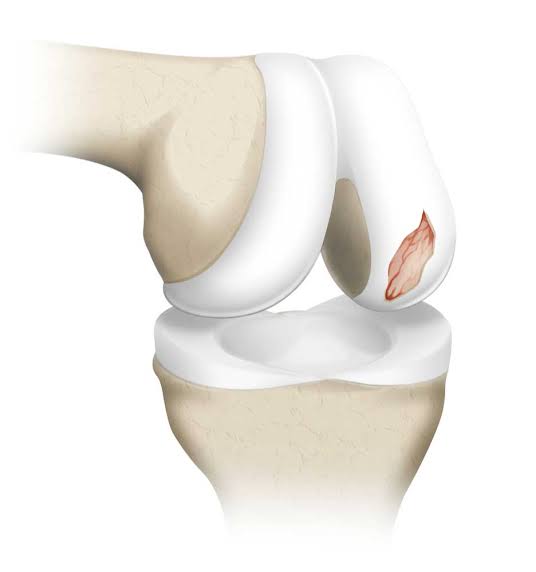
Cartilage helps your joints move smoothly and absorb everyday stress. Moreover, cartilage damage can cause pain, stiffness, swelling, clicking, and difficulty with movement. Therefore, people searching for Cartilage Damage Treatment In Nagpur should consult an experienced orthopedic specialist for an accurate evaluation. In addition, timely diagnosis can help identify the location and severity of cartilage damage and guide suitable treatment. However, treatment needs can vary from one patient to another. As a result, your specialist can recommend an individualized approach that may include physiotherapy, activity modification, medication, injections, cartilage-focused procedures, or surgery when appropriate.
What Is Cartilage Damage?
Cartilage covers the ends of bones inside many joints and helps them move with less friction. Moreover, healthy cartilage supports smooth and comfortable joint movement during walking, running, bending, and other activities. Therefore, damage can affect normal joint function and cause discomfort during movement. In addition, cartilage injuries can range from small defects to more extensive damage. However, symptoms do not always match the severity of the injury. As a result, an orthopedic examination can help determine the underlying problem and appropriate treatment options.
What Causes Cartilage Damage?
Several factors can affect the cartilage inside a joint. Moreover, injuries and repeated stress can gradually contribute to cartilage problems. Therefore, common causes include:
- Sports injuries
- Joint trauma
- Repeated high-impact activity
- Previous ligament injuries
- Meniscus injuries
- Joint instability
- Osteoarthritis
- Age-related joint changes
- Excessive stress on a joint
- Previous joint surgery
In addition, more than one condition can contribute to cartilage damage. As a result, your doctor should evaluate the complete joint rather than focus on cartilage alone.
Common Symptoms Of Cartilage Damage
Cartilage problems can affect everyday movement in different ways. Moreover, symptoms may develop gradually or appear after an injury. Therefore, consider an orthopedic evaluation if you experience:
- Joint pain
- Swelling
- Joint stiffness
- Clicking or grinding
- Reduced range of motion
- Difficulty walking
- Pain during stairs
- Discomfort during exercise
- Joint catching or locking
- Reduced physical activity
In addition, persistent symptoms deserve professional attention. As a result, timely evaluation can help identify the cause and available treatment choices.
How Does A Doctor Diagnose Cartilage Damage?
An orthopedic specialist starts by reviewing your symptoms, injury history, activity level, and previous treatment. Moreover, the doctor examines joint movement, stability, strength, swelling, and tenderness. Therefore, imaging can provide additional information when necessary. In addition, X-rays can show bone and joint changes, while MRI can provide detailed information about cartilage and other soft tissues. However, the doctor selects investigations according to your symptoms and clinical findings. As a result, a complete assessment helps your specialist develop a personalized treatment plan.
Cartilage Damage Treatment Options
Treatment depends on the location, size, severity, and cause of cartilage damage. Moreover, your activity level and overall joint condition can also influence the treatment decision. Therefore, treatment may include:
- Activity modification
- Physiotherapy
- Strengthening exercises
- Mobility exercises
- Weight-management guidance
- Pain-management strategies
- Medication when clinically appropriate
- Selected injections
- Arthroscopic procedures
- Cartilage restoration procedures
- Joint replacement for advanced joint damage
In addition, your specialist can adjust treatment according to your response. However, not every patient needs surgery. As a result, individualized care can help avoid unnecessary procedures.
Non-Surgical Cartilage Damage Treatment
Many patients can begin treatment with conservative approaches. Moreover, reducing activities that aggravate symptoms can give the joint an opportunity to recover and function more comfortably. Therefore, your doctor may recommend physiotherapy, strengthening exercises, mobility work, or suitable pain-management strategies. In addition, weight management can reduce stress on weight-bearing joints when appropriate. However, the ideal treatment depends on the underlying condition and cartilage injury. As a result, professional guidance can help you choose safe and practical ways to manage your symptoms.
Physiotherapy For Cartilage Problems
Physiotherapy can support joint function when cartilage damage causes weakness, stiffness, or movement limitations. Moreover, targeted exercises can improve muscle strength and movement control around the affected joint. Therefore, your physiotherapist may develop exercises according to your symptoms and physical abilities. In addition, rehabilitation can include flexibility, balance, strengthening, and functional movement training. However, exercises should match your condition and should not significantly increase pain. As a result, consistent rehabilitation can support better joint function and everyday mobility.
Book An Appointment For Cartilage Damage Treatment In Nagpur
Persistent joint pain can affect your movement, exercise, work, and everyday comfort. Moreover, an orthopedic evaluation can help determine whether your symptoms relate to cartilage damage, arthritis, ligament problems, or another condition. Therefore, if you are searching for Cartilage Damage Treatment In Nagpur, schedule a consultation with an experienced orthopedic specialist for a detailed assessment. In addition, bring your MRI scans, X-rays, medical reports, and previous prescriptions if available. However, seek prompt medical attention after a significant injury, severe swelling, or sudden inability to move the joint. As a result, timely guidance can help you choose an appropriate treatment plan.
Frequently Asked Questions (FAQ)
Cartilage damage treatment in Nagpur
Cartilage damage treatment in Nagpur
Consult Our Experienced Orthopaedic Surgeon for Detailed Guidance