
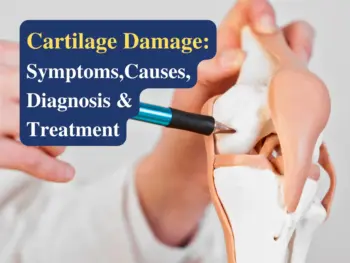
Cartilage Damage Treatment – Restore Joint Health and Mobility
Cartilage damage treatment By Dr. Abhishek Bhalotia, practicing at Asian Institute Of Advanced Surgeries, focuses on repairing or restoring the smooth protective tissue that cushions the joints. Cartilage plays a crucial role in joint movement because it allows bones to glide smoothly without friction. However, when cartilage becomes damaged due to injury, wear and tear, or medical conditions, joint pain and stiffness may develop.
Therefore, timely cartilage damage treatment helps prevent further joint deterioration and improves mobility. Moreover, modern orthopaedic treatments now provide advanced solutions that support cartilage repair and joint preservation.
At Asian Institute Of Advanced Surgeries in Nagpur, experienced orthopaedic surgeon Dr. Abhishek Bhalotia offers advanced cartilage repair procedures that aim to restore joint function while reducing pain.
Understanding Cartilage and Its Role in the Joint
Cartilage is a smooth and flexible tissue found at the ends of bones inside joints. It functions as a cushion that absorbs shock during movement. Additionally, cartilage allows joints such as the knee, hip, and shoulder to move smoothly.
However, cartilage does not contain its own blood supply. Consequently, it has a limited ability to heal after injury. Because of this limitation, untreated cartilage damage may gradually worsen.
Furthermore, damaged cartilage can eventually lead to chronic joint pain, reduced movement, and conditions such as osteoarthritis.
Causes of Cartilage Damage
Cartilage damage can occur for several reasons. In many cases, a combination of factors contributes to the problem.
Common causes include:
Sports Injuries
Athletes frequently experience cartilage injuries during high-impact activities. Sudden twisting movements may also damage the joint surface.
Joint Trauma
Accidents or falls can injure the cartilage. As a result, the smooth joint surface may become rough or irregular.
Wear and Tear
Age-related degeneration gradually weakens cartilage tissue. Consequently, older adults often experience cartilage deterioration.
Joint Misalignment
Abnormal joint alignment places uneven pressure on cartilage. Therefore, certain areas wear out faster than others.
Osteoarthritis
This degenerative joint condition gradually destroys cartilage. Consequently, bones may rub against each other, causing pain and stiffness.
Symptoms of Cartilage Damage
Cartilage damage symptoms vary depending on the joint involved and the severity of the injury.
Common symptoms include:
- Persistent joint pain
- Joint swelling
- Reduced range of motion
- Joint stiffness
- Clicking or grinding sensation in the joint
- Difficulty performing daily activities
Additionally, symptoms may worsen during physical activity. However, early diagnosis allows effective cartilage damage treatment before the condition progresses.
Diagnosis of Cartilage Damage
Accurate diagnosis plays a crucial role in planning effective cartilage repair treatment. Therefore, orthopaedic specialists use several diagnostic methods.
Physical Examination
The doctor evaluates joint movement, stability, and areas of tenderness.
Imaging Tests
Advanced imaging helps visualize the cartilage and surrounding structures.
These tests may include:
- X-rays
- MRI scans
- CT scans
Arthroscopy
In some cases, a minimally invasive arthroscopic procedure helps examine the joint directly. Moreover, arthroscopy may also allow immediate treatment during the same procedure.
At Asian Institute Of Advanced Surgeries, Dr. Abhishek Bhalotia utilizes advanced diagnostic technology to identify the exact cause of cartilage damage.
Cartilage Damage Treatment Options
Cartilage damage treatment depends on the severity of the injury, patient age, and joint condition. Fortunately, several treatment options are available.
1. Non-Surgical Cartilage Damage Treatment
Early-stage cartilage injuries often respond well to conservative treatments.
Physiotherapy
Physical therapy strengthens muscles around the joint. Consequently, joint stability improves and pressure on cartilage decreases.
Medications
Anti-inflammatory medications help reduce pain and swelling.
Activity Modification
Avoiding high-impact activities protects the joint from further damage.
Joint Injections
Certain injections may reduce inflammation and improve joint lubrication.
Although non-surgical treatments provide relief, severe cartilage injuries may require surgical intervention.
Advanced Surgical Cartilage Repair Treatments
Modern orthopaedic surgery offers several innovative techniques for cartilage restoration.
Arthroscopic Cartilage Repair
Arthroscopy is a minimally invasive surgical technique. During this procedure, a small camera and specialized instruments are inserted into the joint through tiny incisions.
Consequently, surgeons can repair cartilage damage with minimal disruption to surrounding tissues.
Benefits include:
- Smaller incisions
- Reduced pain
- Faster recovery
- Shorter hospital stay
At Asian Institute Of Advanced Surgeries Nagpur, arthroscopic cartilage repair procedures help patients recover mobility more quickly.
Microfracture Surgery
Microfracture surgery stimulates new cartilage growth by creating small holes in the underlying bone.
As a result, bone marrow cells migrate to the damaged area. Eventually, these cells form new cartilage-like tissue that covers the defect.
Therefore, microfracture surgery often benefits younger patients with localized cartilage injuries.
Cartilage Transplantation
Cartilage transplantation replaces damaged cartilage with healthy cartilage tissue.
There are two common approaches:
Autograft Transplantation
Cartilage is taken from another part of the patient’s joint.
Allograft Transplantation
Donor cartilage tissue is used to repair the damaged area.
Consequently, cartilage transplantation restores a smoother joint surface and improves joint function.
Advanced Cartilage Regeneration Techniques
Advanced cartilage regeneration procedures involve using specialized biological techniques to repair cartilage.
Examples include:
- Autologous chondrocyte implantation
- Stem cell–based cartilage therapy
- Tissue-engineered cartilage repair
These innovative treatments support long-term joint preservation while delaying the need for joint replacement surgery.
Benefits of Early Cartilage Damage Treatment
Seeking early cartilage damage treatment provides several long-term advantages.
Prevents Further Joint Degeneration
Early intervention protects the joint from progressive damage.
Reduces Pain and Inflammation
Appropriate treatment significantly decreases discomfort.
Improves Joint Mobility
Cartilage repair restores smoother joint movement.
Delays Joint Replacement Surgery
Preserving natural cartilage may postpone or prevent joint replacement procedures.
Recovery After Cartilage Repair Surgery
Recovery varies depending on the procedure performed. However, most patients follow a structured rehabilitation plan.
Typical recovery steps include:
- Initial rest and swelling control
- Gradual physiotherapy exercises
- Strengthening surrounding muscles
- Controlled return to daily activities
Moreover, physiotherapy plays a vital role in restoring joint strength and flexibility. Consequently, following rehabilitation instructions carefully improves surgical outcomes.
Preventing Cartilage Damage
Although some cartilage injuries cannot be prevented, certain steps reduce the risk.
Helpful preventive measures include:
- Maintaining a healthy body weight
- Performing regular strengthening exercises
- Using proper sports techniques
- Avoiding repetitive joint stress
- Treating joint injuries promptly
Therefore, proactive joint care helps maintain long-term mobility and joint health.
Why Choose Dr. Abhishek Bhalotia for Cartilage Damage Treatment in Nagpur?
Patients seeking cartilage damage treatment in Nagpur benefit from specialized orthopaedic care at Asian Institute Of Advanced Surgeries.
Key advantages include:
- Advanced orthopaedic technology
- Minimally invasive surgical techniques
- Personalized treatment planning
- Comprehensive rehabilitation support
- Experienced orthopaedic surgeon Dr. Abhishek Bhalotia
Consequently, patients receive high-quality care focused on restoring joint health and improving mobility.
Frequently Asked Questions (FAQs)
What is cartilage damage?
Cartilage damage refers to injury or degeneration of the smooth tissue that cushions joints. Consequently, it can cause pain, swelling, and limited movement.
Can cartilage heal on its own?
Cartilage has limited healing ability because it lacks a direct blood supply. Therefore, medical treatment may be required to repair significant damage.
What is the best treatment for cartilage damage?
The best treatment depends on the severity of the injury. Options include physiotherapy, injections, arthroscopy, cartilage repair surgery, or transplantation.
How long does cartilage repair recovery take?
Recovery varies depending on the procedure. However, many patients resume normal activities within several weeks to months with proper rehabilitation.
Is cartilage repair surgery safe?
Yes, modern cartilage repair procedures are generally safe when performed by experienced orthopaedic surgeons using advanced techniques.
Book Appointment with Dr. Abhishek Bhalotia at AIAS
If you are experiencing joint discomfort, restricted movement, or any musculoskeletal concerns, scheduling a consultation with Dr. Abhishek Bhalotia, MS Ortho, Fellow Joint Replacement (Hyd, UK), Robotic Joint Replacement Surgeon, can help you better understand your condition and explore appropriate care options. Early evaluation often helps patients address symptoms before they begin to interfere with everyday activities and mobility.
Consultations are available at Asian Institute of Advanced Surgeries (AIAS) in Nagpur, where patients receive a structured orthopaedic assessment focused on identifying factors affecting bone, joint, and movement health. During the visit, individuals can discuss their symptoms, medical history, lifestyle habits, and physical activity levels with Dr. Abhishek Bhalotia, ensuring a comprehensive evaluation and guidance toward suitable treatment options for improved joint function and mobility.