Asian Institute Of Advanced Surgeries

Breast Reduction Surgery In Nagpur

Welcome to the world of aesthetic transformation led by Dr. Siddharth Mendiratta. With a profound passion for the art and science of plastic surgery, Dr Siddharth Mendiratta is dedicated to helping individuals achieve their unique vision of beauty and confidence.
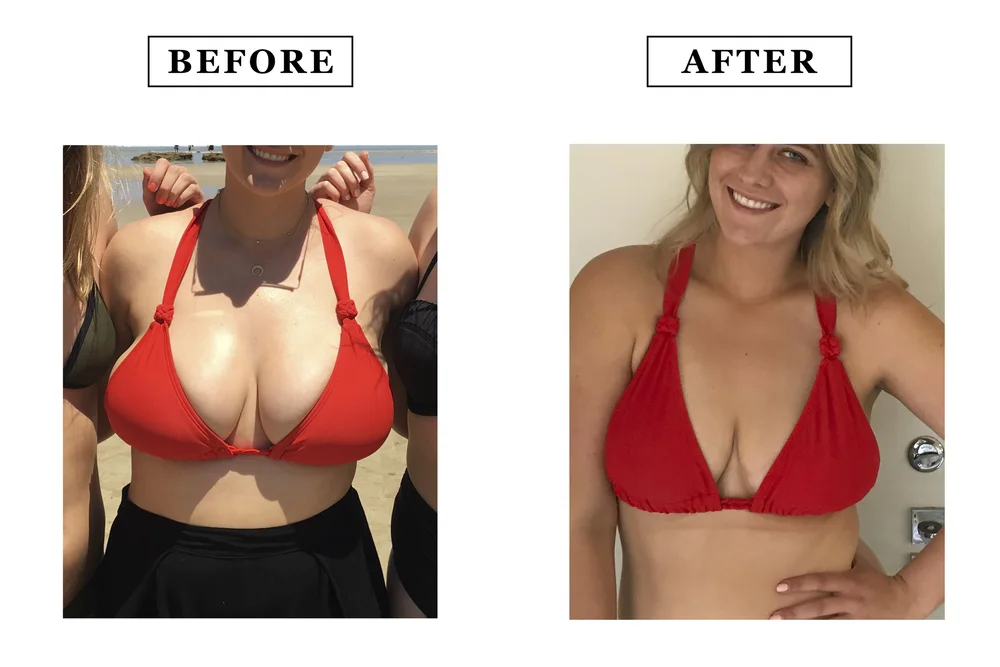
Breast Reduction Surgery In Nagpur at Asian Institute of Advanced Surgeries (AIAS) may be an option for women who feel that their breast size is difficult to manage or does not suit their natural body frame. Large breasts can influence more than appearance. They may make running uncomfortable, limit exercise choices, create pressure from bra straps, or make certain clothes difficult to wear.
Some women also notice skin irritation beneath the breasts or discomfort after standing and moving for long periods. Others simply feel that their breasts are too prominent compared with their shoulders, waist, or overall frame. Dr. Siddharth Mendiratta takes time to understand what you would like to change. He examines your breast structure and discusses the amount of reduction that may suit your body. This conversation helps create a surgical plan around your comfort, proportions, and expectations, rather than choosing a standard breast size.
A Smaller Size Is Not the Only Goal For Breast Reduction Surgery In Nagpur
Breast reduction involves more than removing excess volume. The surgeon also needs to consider how the breast will look after tissue removal.
A reduction may involve removing selected breast tissue, fat, and excess skin. The remaining tissue is then shaped to create a more balanced breast contour.
The position of the nipple and areola can also change when larger breasts have stretched the surrounding skin. Dr. Siddharth Mendiratta considers these details while planning the procedure.The aim is to achieve a breast shape that looks natural for your body rather than simply making the breasts smaller.
How Oversized Breasts Can Affect Everyday Activities ?
Large breasts can become noticeable during routine activities. A woman may find certain workouts uncomfortable or avoid activities that involve running or repeated movement.Clothing can create another challenge. A top may fit around the waist but feel tight across the chest. Finding supportive bras in a comfortable size can also become frustrating.
Some women experience pressure around the shoulders from bra straps. Skin rubbing beneath the breast fold may cause another source of irritation.
Common Concerns Include:
• Difficulty during exercise
• Shoulder pressure from bra straps
• Neck or back discomfort
• Irritation beneath the breasts
• Difficulty finding comfortable clothing
• Feeling uncomfortable in fitted outfits
• Breasts appearing too prominent for the body frame
These concerns can vary widely. Your consultation helps identify which issues matter most to you.
What Makes Each Breast Reduction Different?
No two women have exactly the same breast structure. One patient may have more fatty tissue, while another may have a greater amount of glandular tissue or excess skin. Breast shape also varies. Some breasts may sit lower on the chest, while others may have more fullness in the lower or outer portion.
Dr. Siddharth Mendiratta Considers:
• Breast volume
• Tissue composition
• Breast position
• Skin stretch
• Nipple location
• Chest width
• Natural body proportions
• Desired reduction
• Future pregnancy plans
These details influence the surgical design. The procedure therefore needs to be planned around the individual rather than copied from another patient’s treatment.
Finding the Right Amount of Breast Reduction Surgery In Nagpur
Choosing the amount of breast tissue to remove requires careful planning. A reduction that is too small may not address the original concern, while an unnecessarily large reduction may not match your desired appearance.
Dr. Siddharth Mendiratta discusses your preferred size during consultation. He also considers what is realistically achievable based on your existing tissue and skin.
Your natural body frame remains an important part of this decision. The goal is to create a proportionate appearance that feels appropriate for you.
When Breast Shape and Breast Weight Need Attention ?
Some women mainly want relief from breast weight. Others are more concerned about drooping, unevenness, or the overall shape.
A reduction can address volume while also allowing the remaining tissue to be reshaped. In selected cases, the procedure may also improve differences between the two breasts.
However, every concern may not be corrected completely. Dr. Siddharth Mendiratta explains what the procedure can realistically change after assessing your breast anatomy.
Understanding the Surgical Process For Breast Reduction Surgery In Nagpur
The procedure begins with carefully planned incisions. Through these openings, the surgeon removes selected excess tissue and skin.
The remaining breast tissue is then repositioned and shaped. The nipple and areola may also be moved to a more suitable position when required. The exact technique depends on the size and shape of your breasts. Skin quality and the degree of reduction also influence the surgical plan.
Before surgery, Dr. Siddharth Mendiratta explains the planned approach so you know what to expect.
Can Liposuction Be Part of Breast Reduction?
Fat contributes to breast volume in some women. In selected cases, liposuction may help remove fatty tissue as part of the overall treatment.
However, liposuction cannot remove significant glandular tissue or correct substantial excess skin on its own. Therefore, it may not be suitable as the only treatment for every patient.
Dr. Siddharth Mendiratta determines whether liposuction could complement the planned reduction after examining the tissue composition.
Your Consultation Is Where the Plan Begins - Breast Reduction Surgery In Nagpur
The consultation allows you to explain your concerns in your own words. You can discuss discomfort, clothing problems, exercise limitations, breast appearance, or the size you would prefer.
Dr. Siddharth Mendiratta reviews your medical history and examines your breasts before discussing the available approach.
Important Points to Discuss Include:
• Previous breast changes
• Pregnancy and breastfeeding history
• Weight fluctuations
• Current medicines
• Existing medical conditions
• Previous breast procedures
• Desired breast size
• Future pregnancy plans
• Concerns about scars
• Expectations from surgery
This discussion helps create a treatment plan that reflects your individual situation.
Preparing for Your Procedure For Breast Reduction Surgery In Nagpur
Your preparation will depend on your health and the planned operation. Dr. Siddharth Mendiratta provides personalized instructions before surgery.
You should share details about medicines, supplements, allergies, previous operations, and existing health conditions. Smoking or tobacco use should also be discussed because it can affect healing.
You may also need recommended medical tests before surgery. Planning your work, household responsibilities, and transportation in advance can make the recovery period easier.
Possible Advantages of Breast Reduction Surgery In Nagpur
Women choose breast reduction for different reasons. The benefits can therefore be physical, practical, and aesthetic.
Possible Improvements May Include:
• Smaller breast volume
• Reduced feeling of heaviness
• Greater ease during exercise
• Better clothing options
• Less bra-strap pressure
• Improved breast proportions
• Reduced friction beneath the breasts
• A more balanced chest contour
Individual results cannot be guaranteed. Your surgeon can explain the likely changes after examining you.
Things You Should Know Before Choosing Surgery
Breast reduction is a surgical procedure and carries potential complications. Understanding these possibilities is an important part of informed decision-making.
Potential Concerns Include:
• Infection
• Bleeding
• Scarring
• Wound-healing problems
• Temporary or lasting sensation changes
• Breast asymmetry
• Changes in nipple sensation
• Changes in breast shape
• Breastfeeding difficulties
• Need for further treatment
Your individual risks depend on your health and surgical circumstances. Dr. Siddharth Mendiratta discusses these considerations during your consultation.
Breast Reduction Without Chasing a Standard Size At AIAS
There is no single breast size that is right for every woman. Your preferred result may also differ from someone else’s.
At AIAS, the treatment discussion focuses on your body frame and personal expectations. Dr. Siddharth Mendiratta considers how breast size relates to your chest, shoulders, waist, and overall proportions.
This approach helps make the reduction more personal and avoids treating every patient according to the same template.
Frequently Asked Questions (FAQ)
1. What is Breast Reduction Surgery In Nagpur?
It is a surgical procedure designed to decrease breast volume by removing selected tissue and skin. The remaining tissue is reshaped to create a smaller breast contour.
2. Can breast reduction improve comfort?
It may help women whose large breasts contribute to discomfort or interfere with everyday activities. Your individual symptoms determine the potential benefit.
3. Will my breasts look completely different after surgery?
The goal is usually to create a smaller and more proportionate appearance. The extent of change depends on your starting anatomy and desired reduction.
4. Can both breasts be made the same size?
Surgery can improve noticeable differences in breast size and shape. However, perfectly identical breasts cannot always be achieved.
5. Can breast reduction include liposuction?
Liposuction may be useful in selected cases where fatty tissue contributes to breast volume. Your surgeon decides whether it should form part of your procedure.