Asian Institute Of Advanced Surgeries


What Is a Knee Ligament Injury?
Ligaments connect the bones around your knee and help control joint movement. However, sudden twisting, sports injuries, falls, or accidents can stretch or tear these strong tissues. Moreover, a severe injury can cause pain, swelling, instability, and difficulty with normal movement.
Common knee ligament injuries include:
- ACL tears
- PCL injuries
- MCL injuries
- LCL injuries
- Multiple ligament injuries
- Partial ligament tears
- Complete ligament tears
Therefore, you should seek an orthopedic evaluation when knee pain or instability continues after an injury.
When Should You See a Knee Ligament Surgeon?
You may need specialist care when your knee does not feel stable after an injury. Moreover, repeated episodes of the knee giving way can affect your confidence and daily activities. In addition, athletes may notice difficulty running, jumping, changing direction, or returning to sports.
Consider a consultation if you experience:
- Persistent knee pain
- Sudden knee swelling
- A popping sensation during injury
- Knee instability
- Difficulty walking
- Limited knee movement
- Trouble climbing stairs
- Repeated knee buckling
- Sports-related knee injuries
- Difficulty returning to physical activities
Therefore, early assessment can help identify the ligament problem and guide the next step.
Why Choose an Experienced Knee Ligament Surgeon?
An experienced surgeon understands the different patterns of ligament injuries and their effect on knee function. Moreover, the surgeon can combine clinical examination with suitable imaging tests to understand the injury more clearly.
A specialist also considers your lifestyle and recovery goals. Therefore, treatment does not follow the same approach for every patient. In addition, your surgeon can explain both non-surgical and surgical options when appropriate.
Diagnosis of Knee Ligament Injuries
Your orthopedic surgeon starts with a detailed discussion about your injury and symptoms. Moreover, a physical examination can help assess knee movement, stability, swelling, and tenderness.
Your doctor may recommend imaging when needed. For example, an X-ray can help identify certain bone problems, while an MRI can provide detailed information about soft tissues such as ligaments. Therefore, accurate diagnosis helps your surgeon understand the extent of the injury before planning treatment.
Knee Ligament Treatment Options
Treatment depends on the ligament involved, tear severity, knee stability, activity level, and overall health. Moreover, not every ligament injury requires surgery.
Non-Surgical Treatment
Some patients may improve with structured non-surgical care. This approach may include rest, activity modification, physiotherapy, exercises, pain management, and gradual strengthening. Therefore, your orthopedic specialist can create a recovery plan based on your condition.
Knee Ligament Surgery
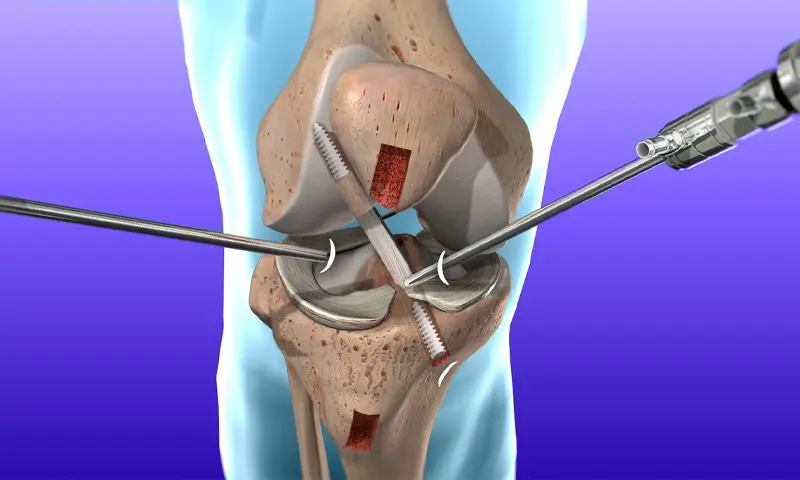
Severe ligament tears may require surgical treatment, especially when the knee remains unstable or when patients want to return to demanding physical activities. Moreover, ligament reconstruction can help restore knee stability in selected cases.
Your surgeon will explain the procedure, expected recovery, rehabilitation needs, and possible risks before treatment. Therefore, you can make an informed decision about your care.
ACL Injury Treatment
Best Knee Ligament Surgeon In Seoni
The anterior cruciate ligament, or ACL, helps control knee stability during movement. However, sports such as football, cricket, basketball, and badminton can place significant stress on the ACL.
An ACL tear can cause a popping sensation, swelling, pain, and knee instability. Moreover, active patients may struggle with running and sudden direction changes. Therefore, an orthopedic assessment can help determine whether rehabilitation or ACL reconstruction suits your needs.
PCL Injury Treatment
The posterior cruciate ligament, or PCL, supports the back of the knee and helps control forward and backward movement. Moreover, vehicle accidents, falls, and sports injuries can damage this ligament.
Mild PCL injuries may respond to rehabilitation and activity modification. However, severe injuries or combined ligament damage may require surgical evaluation. Therefore, an experienced knee ligament specialist can assess the injury and recommend an appropriate treatment pathway.
Recovery After Knee Ligament Surgery
Recovery requires patience and active participation. Moreover, physiotherapy plays an important role in restoring strength, flexibility, balance, and knee function.
Your rehabilitation plan may progress through different stages. First, you focus on controlling swelling and improving movement. Next, you work on muscle strength and stability. Finally, you gradually return to functional activities and sports when your surgeon considers it safe.
Therefore, following your rehabilitation plan can support steady progress and reduce the risk of setbacks.
Benefits of Specialist Knee Ligament Care
Best Knee Ligament Surgeon In Seoni
Specialist evaluation can help you understand the exact cause of knee instability and pain. Moreover, proper treatment can support better knee function and help you return to suitable daily or physical activities.
Potential benefits of appropriate care include:
- Better understanding of the injury
- Individualized treatment planning
- Improved knee stability
- Support for pain management
- Better movement and strength
- Structured rehabilitation
- Guidance for returning to activities
However, results vary from person to person. Therefore, discuss your expected outcome with your orthopedic surgeon before starting treatment.
Why Patients in Seoni Seek Specialist Knee Care
Best Knee Ligament Surgeon In Seoni
Patients often delay knee treatment because they expect the pain or instability to improve on its own. However, ongoing instability can affect movement and physical activity. Moreover, repeated knee injuries can create additional problems in some patients.
Choosing a qualified knee ligament surgeon in Seoni can help you receive a proper evaluation close to home. Therefore, you can discuss your symptoms, diagnosis, treatment choices, and recovery plan with an orthopedic specialist.
Book a Consultation for Knee Ligament Problems
Do not ignore persistent knee pain, swelling, or instability after an injury. Moreover, early specialist assessment can help you understand the condition and available treatment options.
If you are searching for the Best Knee Ligament Surgeon in Seoni, schedule an orthopedic consultation and discuss your symptoms with a qualified specialist. Therefore, you can take a timely step toward better knee stability and function.