Asian Institute Of Advanced Surgeries


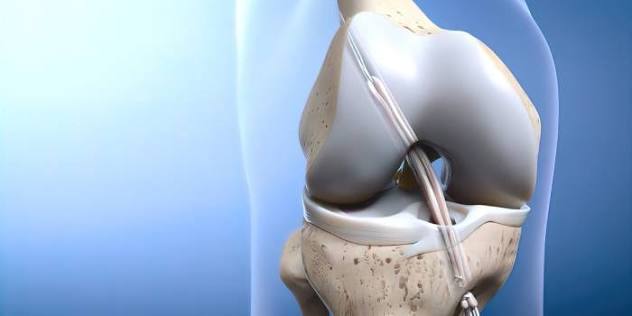
Expert Knee Ligament Treatment In Narsinghpur
Knee ligaments connect bones and help maintain stability during movement. The major knee ligaments include the ACL, PCL, MCL, and LCL. However, a sudden twist, sports injury, road accident, or awkward landing can damage these structures.
A knee ligament specialist examines your symptoms, knee stability, movement, and injury history. Moreover, the doctor may recommend imaging tests such as an MRI when necessary. As a result, a detailed evaluation helps identify the type and severity of ligament damage.
Common Knee Ligament Injuries
Different injuries can affect different knee ligaments. Therefore, your treatment plan should match the specific ligament involved and the extent of damage.
ACL Injury
The anterior cruciate ligament, or ACL, helps control forward movement and rotation of the knee. Moreover, sudden direction changes, sports injuries, twisting movements, and awkward landings can cause ACL tears.
PCL Injury
The posterior cruciate ligament, or PCL, supports the back of the knee. However, strong impacts to the front of the knee can injure this ligament, especially during road accidents or sports injuries.
MCL Injury
The medial collateral ligament supports the inner side of the knee. In addition, contact sports and sudden sideways forces can cause an MCL injury.
LCL Injury
The lateral collateral ligament supports the outer side of the knee. Therefore, injuries involving strong forces from the inner side can affect the LCL.
When Should You See a Knee Ligament Surgeon?
You should consider a consultation when knee pain continues after an injury or when your knee feels unstable. Moreover, symptoms such as swelling, difficulty walking, reduced movement, or repeated knee giving-way can indicate a ligament problem.
You should also seek an evaluation after a significant sports injury or accident. However, not every ligament injury requires surgery. Therefore, a knee ligament surgeon can assess your condition and explain whether rehabilitation, medication, activity modification, or surgery may suit you.
Symptoms Of A Knee Ligament Injury
Knee ligament injuries can cause different symptoms depending on the affected ligament. Therefore, pay attention to changes after an injury.
Common symptoms include:
- Knee pain after twisting or impact
- Swelling around the knee
- Difficulty walking
- Reduced knee movement
- Knee instability
- A feeling that the knee may give way
- Difficulty running or changing direction
- Pain during physical activity
- Reduced confidence while using the injured leg
Moreover, some people hear a popping sensation when an ACL injury occurs. As a result, prompt medical evaluation can help identify the cause.
Diagnosis For Best Knee Ligament Surgeon In Narsinghpur
A knee ligament specialist starts with a detailed discussion about your injury. In addition, the doctor checks knee movement, stability, swelling, tenderness, and muscle strength.
The doctor may use specific physical examination tests to assess ligament stability. Moreover, an X-ray can help identify bone-related problems, while an MRI can provide detailed information about soft tissues such as ligaments and cartilage.
Therefore, your doctor can combine your symptoms, examination findings, and imaging results before recommending treatment.
Knee Ligament Treatment Options | Best Knee Ligament Surgeon In Narsinghpur
Treatment depends on the ligament involved, injury severity, age, activity level, and overall knee stability. Moreover, your doctor considers your daily activities and sports goals before choosing a treatment approach.
Non-Surgical Treatment
Some ligament injuries can improve with structured rehabilitation. Therefore, your treatment may include physiotherapy, exercises, activity modification, pain management, and gradual strengthening.
Physiotherapy can help improve muscle strength, knee movement, balance, and stability. In addition, rehabilitation can support a safe return to daily activities and selected sports.
Knee Ligament Surgery
Some complete ligament tears or unstable knees may require surgical treatment. However, surgery does not suit every patient. Therefore, the surgeon evaluates your symptoms, physical activity, knee stability, and overall condition before recommending an operation.
For selected ACL injuries, surgeons may recommend ACL reconstruction. Moreover, rehabilitation plays an important role after surgery because the knee needs time to regain strength, movement, and stability.
Why Choose A Knee Ligament Specialist?
A knee ligament specialist focuses on conditions affecting the knee and its supporting structures. Moreover, this experience can help the doctor assess complex injuries and develop an appropriate treatment strategy.
When choosing the Best Knee Ligament Surgeon In Narsinghpur, consider the doctor’s experience, treatment approach, diagnostic facilities, rehabilitation support, and ability to explain your options clearly.
In addition, choose a specialist who encourages informed decisions rather than recommending surgery automatically. As a result, you can better understand your condition and participate actively in your recovery.
Recovery After Knee Ligament Treatment
Recovery depends on the type of injury and treatment. Moreover, rehabilitation often forms an important part of both surgical and non-surgical care.
Your physiotherapist may gradually introduce mobility exercises, strengthening exercises, balance training, and functional activities. However, you should follow your specialist’s instructions and avoid returning to demanding activities too quickly.
Therefore, regular follow-up and a structured rehabilitation plan can support steady progress and help reduce the risk of further injury.
Preventing Future Knee Ligament Injuries
You can reduce your risk of some knee injuries by improving strength, flexibility, balance, and movement control. Moreover, proper warm-up before sports can prepare your muscles and joints for activity.
You should also learn safe landing and direction-changing techniques if you participate in sports. In addition, appropriate footwear and gradual increases in training can support better knee health.
Book A Consultation With A Knee Ligament Specialist In Narsinghpur
Persistent knee pain or instability should not interfere with your daily life or physical activities. Moreover, early assessment can help identify the cause and guide appropriate treatment.
If you are looking for the Best Knee Ligament Surgeon In Narsinghpur, consult a qualified orthopedic knee specialist for a detailed evaluation. Therefore, you can understand your treatment options and choose the right path for your knee health.