
Ankle Arthroscopy Clinic In Nagpur – Treatment by Dr. Siddharth Jain
Understanding Ankle Arthroscopy Clinic In Nagpur
People searching for an ankle arthroscopy clinic in Nagpur are usually looking for precise diagnostic evaluation and minimally invasive treatment for persistent ankle pain, swelling, or limited mobility. Ankle arthroscopy is a specialized procedure that allows surgeons to view the inside of the ankle joint through tiny incisions using a small camera known as an arthroscope. At Asian Institute of Advanced Surgeries, this approach helps Dr. Siddharth Jain identify ligament tears, cartilage irregularities, and other internal issues. Because this method causes less tissue disruption than traditional open surgery, patients often recover faster with reduced postoperative discomfort.
What Is Ankle Arthroscopy
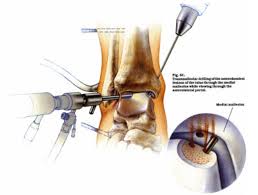
Ankle arthroscopy is a surgical technique that uses small incisions and a miniature camera to examine and treat internal joint abnormalities. The arthroscope sends detailed images to a monitor, allowing the surgeon to assess ligaments, cartilage surfaces, and synovial tissues. Instruments inserted through additional tiny openings help repair or clean damaged structures. These minimally invasive steps make ankle arthroscopy procedures effective for both diagnosis and treatment. Dr. Siddharth Jain performs ankle arthroscopy at a dedicated ankle arthroscopy clinic in Nagpur with careful attention to each patient’s functional needs.
Common Conditions Addressed at an Ankle Arthroscopy Clinic In Nagpur
Patients seeking an ankle arthroscopy clinic in Nagpur often report a range of conditions affecting joint function and movement. These include ligament sprains that fail to improve, cartilage damage from trauma or wear, persistent inflammation, loose fragments in the joint, and recurring instability. Additionally, chronic pain after ankle injuries that do not respond to physiotherapy or medical management may require arthroscopic evaluation. Addressing these conditions early often prevents long‑term joint problems and improves overall mobility for daily activities.
Symptoms That May Indicate the Need for Ankle Arthroscopy
Not all ankle pain requires arthroscopy, but certain symptoms may suggest deeper internal issues. Persistent swelling that does not diminish with rest, catching or locking sensations during movement, and instability while walking are common indications. Patients may also experience pain during weight‑bearing activities or a feeling of weakness around the ankle joint. In such cases, consulting Dr. Siddharth Jain at an ankle arthroscopy clinic in Nagpur helps determine whether arthroscopic evaluation is the next best step.
Causes of Ankle Joint Problems Requiring Arthroscopy
Ankle joint problems that lead patients to consider an ankle arthroscopy clinic in Nagpur can result from sudden injuries, repetitive strain, or degenerative changes. Ligament tears often occur during sports that involve rapid stops or direction changes. Cartilage damage may develop after trauma or due to long‑term stress on the joint. Over time, repetitive impact can irritate the synovial lining, leading to chronic inflammation. Identifying the precise cause of symptoms helps tailor arthroscopic intervention accordingly, making the treatment more effective.
Diagnostic Evaluation Before Ankle Arthroscopy
Before recommending an ankle arthroscopy procedure, accurate diagnosis remains essential. Dr. Siddharth Jain conducts a thorough clinical evaluation at the ankle arthroscopy clinic in Nagpur to understand symptom onset, pain patterns, and functional limitations. Physical examination assesses ligament stability, range of motion, and tenderness. In many cases, imaging modalities such as X‑rays or MRI scans complement the clinical assessment by visualizing bone alignment, ligament integrity, and cartilage surfaces. These diagnostic steps help confirm whether ankle arthroscopy will address the underlying problem effectively.
Non‑Surgical Management Prior to Arthroscopy
Conservative care remains the initial approach for many ankle joint issues. Physiotherapy programs focus on improving strength, balance, and flexibility in the muscles surrounding the ankle. Activity modification, rest, and anti‑inflammatory treatments may also help reduce swelling and discomfort. Patients visiting an ankle arthroscopy clinic in Nagpur often begin with these non‑surgical strategies to support natural healing. However, when symptoms persist despite conservative management, ankle arthroscopy becomes a valuable diagnostic and therapeutic option.
Benefits of Ankle Arthroscopy
One of the key advantages of ankle arthroscopy is that it allows detailed evaluation and treatment through small incisions, which reduces tissue trauma and promotes faster recovery. Minimally invasive techniques often result in less postoperative pain, minimal scarring, and a shorter rehabilitation period compared to open surgery. Moreover, arthroscopy provides high‑resolution visualization of joint structures, enabling Dr. Siddharth Jain to assess and address internal abnormalities with precision. These benefits make an ankle arthroscopy clinic in Nagpur a preferred option for many patients with unresolved ankle issues.
Recovery After Ankle Arthroscopy In Nagpur
Recovery after ankle arthroscopy varies depending on the procedure performed and the extent of joint involvement. Generally, because the incisions are small, patients experience reduced pain and swelling compared to traditional surgery. Rehabilitation plays a vital role in restoring strength, flexibility, and stability. Physiotherapy begins with gentle range‑of‑motion exercises and progresses to strengthening and balance training. At Asian Institute of Advanced Surgeries, Dr. Siddharth Jain provides a structured rehabilitation plan tailored to each patient’s specific needs, helping them regain functional mobility safely.
Preventive Strategies to Maintain Ankle Health
Maintaining ankle health after arthroscopy involves adopting preventive habits that support overall joint function. Regular strengthening exercises for the muscles around the ankle help distribute stress evenly during activity. Low‑impact exercises such as cycling and swimming enhance fitness without placing excessive load on the joint. Weight management also reduces pressure on weight‑bearing joints. Additionally, warming up before physical activity helps prepare ligaments and muscles for strain. Patients treated at an ankle arthroscopy clinic in Nagpur are encouraged to adopt these preventive strategies to support long‑term joint health.
Lifestyle Habits That Support Ankle Joint Longevity
Daily lifestyle choices play an important role in maintaining joint mobility and preventing future injuries. Balanced nutrition supports tissue repair and muscle strength. Proper footwear that stabilizes the foot and ankle during movement helps reduce unnecessary joint strain. Avoiding uneven walking surfaces and continuing controlled physical activity can also protect joint structures. Individuals who follow these healthy habits after receiving care at an ankle arthroscopy clinic in Nagpur often experience improved confidence in movement and long‑term ankle stability.
Why Choose Ankle Arthroscopy With Dr. Siddharth Jain at Asian Institute of Advanced Surgeries
Patients seeking ankle arthroscopy in Nagpur value expert evaluation, clear communication, and personalized care. At Asian Institute of Advanced Surgeries, Dr. Siddharth Jain emphasizes careful symptom assessment and patient education. Each consultation involves a detailed discussion about pain triggers, activity patterns, and functional limitations. This helps determine whether ankle arthroscopy is the most suitable approach. Additionally, patients receive guidance on recovery and preventive care that supports sustained joint health beyond the procedure itself.
FAQs – Ankle Arthroscopy Clinic In Nagpur
1. Who is a good candidate for ankle arthroscopy?
Individuals with persistent ankle pain, instability, swelling, or mechanical symptoms such as catching or locking that do not improve with conservative care may be recommended for ankle arthroscopy.
2. How soon can I walk after ankle arthroscopy?
Recovery timelines vary, but many patients are able to bear weight with support soon after surgery and progress to more active rehabilitation in the following weeks under guidance.
3. Is ankle arthroscopy painful?
Because ankle arthroscopy uses small incisions and precise instruments, postoperative pain is generally milder compared to open surgery. Pain management and rehabilitation help improve comfort.
4. Will I need physiotherapy after ankle arthroscopy?
Yes, physiotherapy plays a key role in restoring strength, flexibility, and stability, which are essential for long‑term joint function after arthroscopy.
5. Can ankle arthroscopy prevent future joint problems?
When combined with strengthening exercises, proper recovery strategies, and preventive lifestyle habits, ankle arthroscopy helps address current issues and supports healthier joint movement over time.
Book Appointment with Dr. Siddharth Jain at AIAS
If you are experiencing joint discomfort, restricted movement, or any musculoskeletal concerns, scheduling a consultation with Dr. Siddharth Jain can help you better understand your condition and explore appropriate care options. Early evaluation often helps patients address symptoms before they begin to interfere with everyday activities and mobility.
Consultations are available at Asian Institute of Advanced Surgeries (AIAS) in Nagpur, where patients receive a structured orthopaedic assessment focused on identifying factors affecting bone, joint, and movement health. During the visit, individuals can discuss their symptoms, medical history, lifestyle habits, and physical activity levels.
Follow Us
Ankle Arthroscopy Clinic In Nagpur