
Dr. Siddharth Jain – Expert Orthopaedic & Sports Injury Specialist
Dr. Siddharth Jain – Expert Orthopaedic & Sports Injury Specialist
If ankle pain is limiting your mobility, you should consult Dr. Siddharth Jain for a detailed evaluation and advanced ankle arthroscopy treatment. Importantly, early diagnosis and timely medical intervention significantly improve recovery outcomes. Ultimately, prompt treatment supports faster healing, long-term ankle joint health, and better functional performance.
Why Choose Dr. Siddharth Jain for Ankle Arthroscopy?
Dr. Siddharth Jain is a highly skilled orthopaedic specialist who manages complex ankle and sports injuries using advanced arthroscopic techniques. With extensive clinical experience, he delivers precise, patient-centered treatment. In particular, his treatment philosophy focuses on surgical excellence and long-term joint health.
Moreover, his patient-focused approach ensures:
Accurate diagnosis through detailed clinical examination and advanced imaging when necessary
Customized treatment planning based on each patient’s condition, lifestyle, and recovery goals
Minimally invasive procedures that reduce tissue damage and postoperative discomfort
Faster recovery protocols that help patients return to daily activities sooner
Comprehensive post-surgery rehabilitation programs that restore long-term mobility and strength
In addition, Dr. Jain performs procedures in modern operation theatre facilities equipped with advanced surgical technology. As a result, patients receive safe, reliable, and high-quality medical care under strict professional supervision. Ultimately, the combination of surgical expertise, advanced infrastructure, and personalized care helps achieve optimal treatment outcomes and improves overall quality of life.
How is Ankle Arthroscopy Performed?
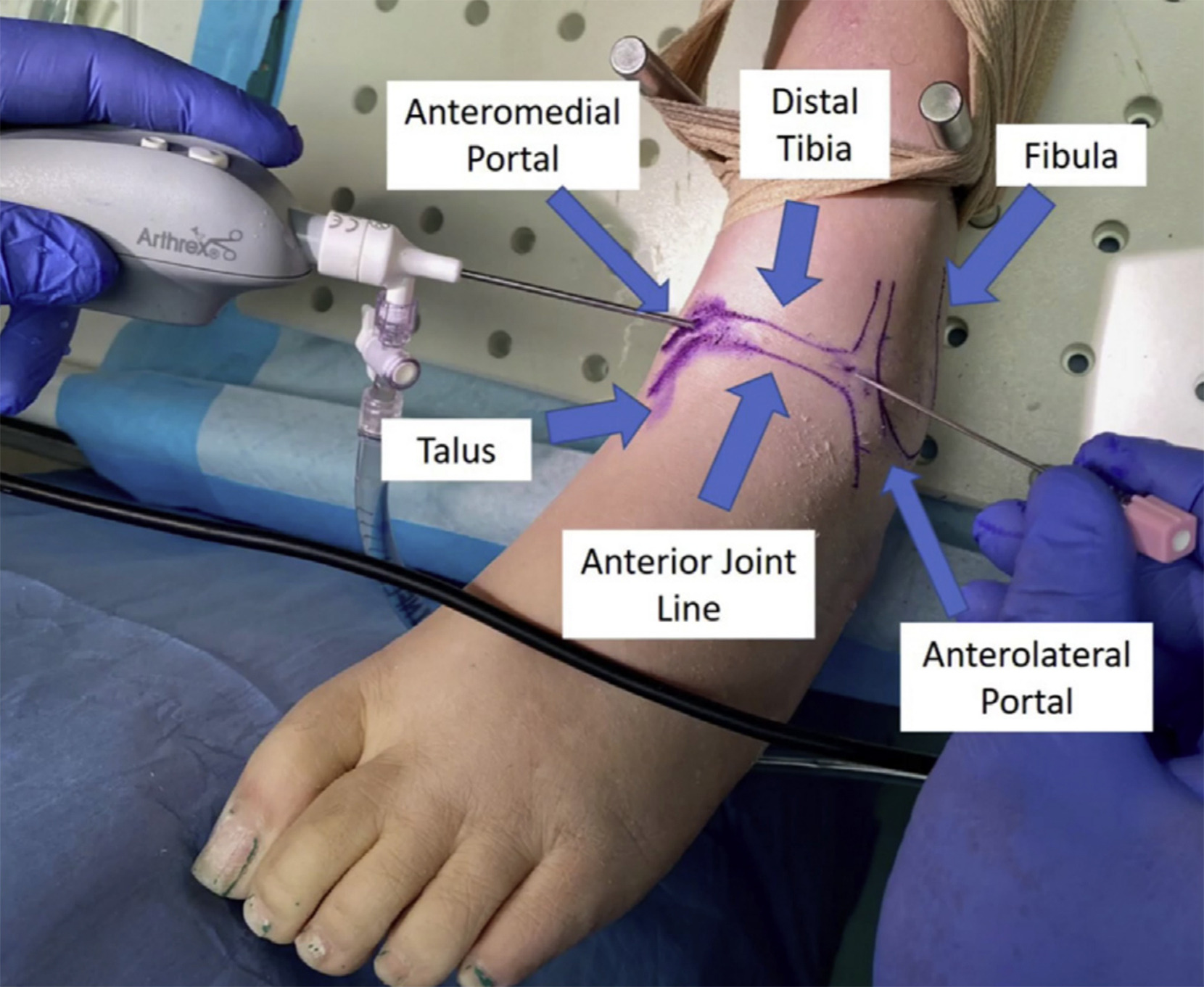
Ankle arthroscopy is performed under either regional or general anesthesia to ensure patient comfort and surgical precision. Initially, the surgeon makes small incisions of approximately 5mm around the ankle joint. After that, a tiny high-definition camera is inserted through one incision to visualize the joint structures. Meanwhile, specialized surgical instruments are introduced through another incision to perform the necessary treatment.
Through this advanced minimally invasive approach, Dr. Siddharth Jain can effectively:
Remove damaged or inflamed tissue
Repair torn or weakened ligaments
Clean inflamed joint areas
Smooth cartilage defects to improve joint movement
Remove loose bone or tissue fragments
Conditions Treated with Ankle Arthroscopy
Ankle arthroscopy is a highly effective procedure for diagnosing and treating various ankle joint conditions. In particular, surgeons use this minimally invasive technique to accurately identify the root cause of ankle pain and provide targeted treatment. Moreover, ankle arthroscopy promotes faster recovery and improves overall joint function.
Through ankle arthroscopy, surgeons can effectively manage several ankle conditions, including:
1. Ankle Impingement
Firstly, soft tissue or bone may become trapped inside the ankle joint and cause pain. As a result, patients experience restricted movement and increased discomfort while walking or performing physical activities.
2. Ligament Injuries
Secondly, ligament tears may lead to chronic ankle instability. Therefore, arthroscopic ligament repair helps restore joint stability, improve balance, and support normal movement.
3. Osteochondral Lesions
Furthermore, damage to cartilage and underlying bone inside the ankle joint can reduce joint smoothness. In such cases, surgeons perform precise cleaning and repair procedures to improve joint movement.
4. Synovitis
Additionally, inflammation of the joint lining may cause swelling, stiffness, and pain. Through arthroscopic treatment, surgeons remove inflamed tissue carefully to reduce symptoms and improve comfort.
5. Loose Bodies
Similarly, small fragments of bone or cartilage may float inside the joint and block normal movement. By removing these loose fragments, surgeons help restore smooth joint motion.
6. Early Arthritis
Finally, surgeons manage early-stage arthritis by cleaning and smoothing damaged cartilage surfaces. Consequently, early treatment helps slow disease progression, reduce pain, and protect joint health.
Overall, timely ankle arthroscopy treatment helps prevent long-term joint damage, reduce pain, and significantly improve mobility and functional performance.
Request a Callback
Symptoms That May Need Arthroscopy
If you experience any of the following symptoms, you may require ankle arthroscopy:
Persistent ankle pain that does not improve with rest or basic treatment
Swelling that does not reduce despite conservative care
Frequent or recurrent ankle sprains
Locking or catching sensations inside the ankle joint
Instability while walking that affects balance and mobility
Reduced ankle movement that limits daily activities
In such cases, the specialist performs a proper clinical evaluation. Additionally, the doctor may recommend necessary imaging tests to support an accurate diagnosis. Through detailed assessment, the specialist determines the most appropriate treatment plan. As a result, patients receive effective management of ankle conditions and better long-term joint health.
Ultimately, patients should seek early medical consultation to prevent further joint damage and improve functional recovery.
How is Ankle Arthroscopy Performed?
Surgeons perform ankle arthroscopy under either regional or general anesthesia to ensure patient comfort and surgical precision. Initially, the surgeon makes small incisions of approximately 5mm around the ankle joint. After that, the surgeon inserts a tiny high-definition camera through one incision to visualize the internal joint structures. Meanwhile, the surgeon introduces specialized surgical instruments through another incision to perform the required treatment.
Through this advanced procedure, the surgeon can effectively treat the following conditions:
Remove damaged tissue
Repair torn ligaments
Clean inflamed joint areas
Correct cartilage defects smoothly
Extract loose bone or cartilage fragments
Furthermore, the surgeon preserves surrounding healthy tissues during surgery to promote faster healing. As a result, patients experience less postoperative pain and minimal scarring compared to traditional surgical methods.
Additionally, the surgeon determines the total duration of ankle arthroscopy based on the severity and complexity of the ankle condition. In general, the procedure takes approximately 30–90 minutes. Ultimately, precise surgical skill and advanced medical technology help achieve safe treatment outcomes and faster recovery.
Benefits of Ankle Arthroscopy
Compared to traditional open surgery, arthroscopy offers several advantages:
Smaller scars
Minimal blood loss
Reduced post-operative pain
Shorter hospital stay
Lower infection risk
Faster recovery
Most patients return home the same day or within 24 hours.
Recovery After Ankle Arthroscopy
Recovery depends on the condition treated. However, most patients experience:
Week 1–2
Mild swelling and discomfort
Gradual weight-bearing with support
Week 3–6
Improved mobility
Start physiotherapy exercises
After 6 Weeks
Return to daily activities
Gradual return to sports (if advised)
Physiotherapy plays a vital role in strengthening muscles and restoring ankle stability.
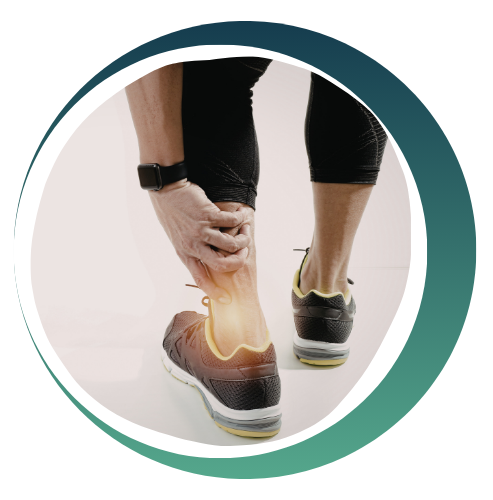
Ankle Arthroscopy – Types of Pain
1️⃣ Incision Pain
Mild soreness around stitches
Lasts 5–10 days
2️⃣ Swelling Pain
Throbbing or tight feeling
Common for 2–3 weeks
Improves with ice & elevation
3️⃣ Stiffness Pain
Tightness while moving ankle
Improves with physiotherapy
4️⃣ Muscle / Rehab Pain
Mild soreness after exercises
Happens as strength returns
Who is a Suitable Candidate?
You may be a suitable candidate for ankle arthroscopy if:
Conservative treatments failed
Pain persists for more than 3–6 months
MRI shows cartilage or ligament damage
Repeated ankle sprains occur
You are an athlete with chronic ankle pain
A detailed consultation helps determine eligibility.
Frequently Asked Questions
➤ Is ankle arthroscopy painful?
The procedure is done under anesthesia. Post-operative pain is usually mild and manageable with medications.
➤ How long is hospital stay?
Most patients are discharged the same day or within 24 hours.
➤ When can I walk normally?
Light walking begins within a few days. Full recovery depends on the treated condition.
➤ Is the surgery safe?
Yes. When performed by an experienced surgeon like Dr. Siddharth Jain, ankle arthroscopy is a safe and effective procedure.