Asian Institute Of Advanced Surgeries

Advanced surgical techniques In Nagpur
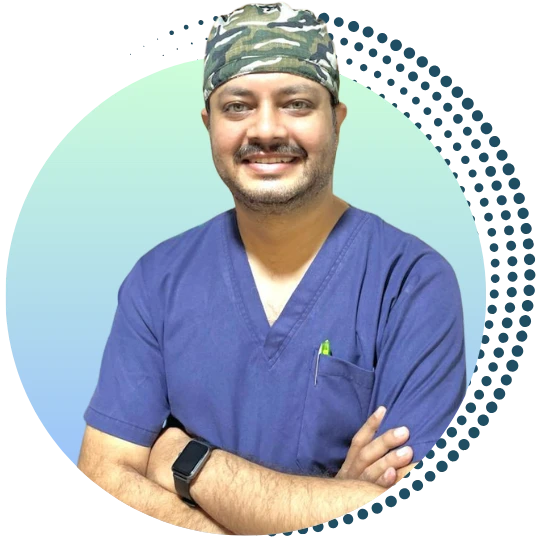
Welcome to the world of aesthetic transformation led by Dr. Siddharth Mendiratta. With a profound passion for the art and science of plastic surgery, Dr Siddharth Mendiratta is dedicated to helping individuals achieve their unique vision of beauty and confidence.
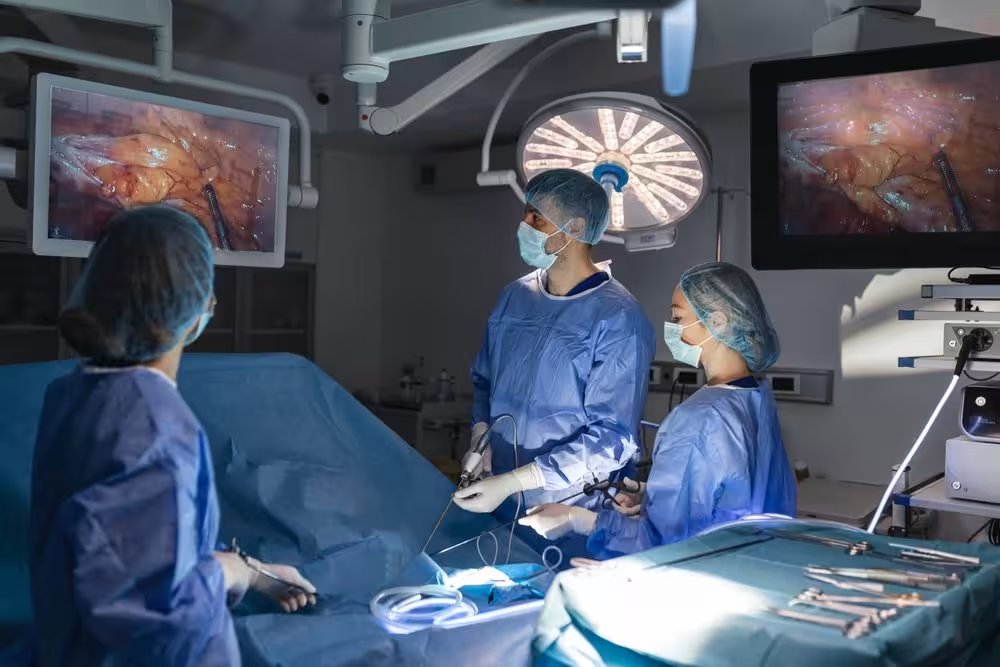
Advanced surgical techniques In Nagpur at Asian Institute of Advanced Surgeries (AIAS) offer carefully planned surgical options for selected aesthetic, reconstructive, corrective, and other surgical concerns. Modern surgery can involve specialized instruments, minimally invasive methods, refined access techniques, and detailed tissue planning. However, the right technique depends on the condition rather than technology alone. Dr. Siddharth Mendiratta evaluates your anatomy, tissue quality, medical history, previous procedures, treatment area, and individual goals before suggesting a suitable approach. He also considers how the proposed procedure may affect surrounding structures and the overall result. This detailed assessment helps create a focused treatment plan instead of applying the same surgical method to every patient. At AIAS, the emphasis remains on appropriate technique selection, careful planning, patient safety, realistic expectations, and a recovery plan that matches the procedure.
Modern Surgical Planning For Individual Needs
Every surgical case has its own requirements. The location of the concern, tissue condition, anatomical structure, previous treatment, and expected correction can influence the choice of technique. Dr. Siddharth Mendiratta examines the relevant area and discusses what you want to improve. This process also helps identify factors that could influence healing and recovery. By reviewing these details before treatment, AIAS can develop a surgical plan that is specific to your condition. The aim is to provide appropriate correction while maintaining attention to tissue preservation, functional requirements, appearance, and long-term considerations.
• Individual Assessment: Review your specific surgical concern.
• Anatomical Planning: Study the structures involved in treatment.
• Technique Selection: Choose an approach according to your requirements.
• Risk Consideration: Identify factors that may affect surgery.
• Recovery Planning: Prepare procedure-specific aftercare guidance.
Specialized Approaches For Complex Surgical Needs
Minimally Invasive Options When Appropriate
Technology-Supported Surgical Care During Advanced surgical techniques In Nagpur
Advanced Techniques For Aesthetic Procedures
Factors That Influence Surgical Technique Selection
Several factors can affect the choice of an advanced surgical method. Your anatomy provides the foundation for planning, while tissue quality and previous procedures may influence access and technique. Dr. Siddharth Mendiratta reviews these factors together rather than considering them separately. He also discusses your expectations to understand what you want the treatment to achieve. This comprehensive evaluation helps determine whether an advanced, minimally invasive, reconstructive, or conventional approach may be appropriate. The final treatment plan is based on individual suitability and clinical requirements.
• Anatomical Structure: Evaluate the relevant physical features.
• Skin And Tissue Quality: Assess tissue condition before treatment.
• Previous Procedures: Consider changes caused by earlier surgery.
• Overall Health: Review factors relevant to surgical planning.
• Treatment Complexity: Determine the access and correction required.
• Aesthetic Goals: Understand your desired improvement.
Potential Advantages Of Advanced Surgical Planning
The benefits of an advanced surgical approach depend on the procedure and the patient’s individual circumstances.However, these benefits cannot be guaranteed for every patient. Dr. Siddharth Mendiratta explains what can reasonably be expected from the recommended procedure. He also discusses limitations so that you have a realistic understanding before treatment. At AIAS, the emphasis is on achieving an appropriate result through a carefully selected technique rather than promising a particular outcome based only on advanced technology.
• Focused Correction: Address the specific area requiring treatment.
• Detailed Planning: Adapt the procedure to individual anatomy.
• Controlled Access: Select an appropriate surgical entry method.
• Tissue Consideration: Account for surrounding structures.
• Balanced Results: Consider functional and aesthetic requirements.
• Personalized Aftercare: Provide recovery instructions according to the procedure.
Consultation And Surgical Assessment By Advanced surgical techniques In Nagpur
Your consultation at Asian Institute of Advanced Surgeries begins with a discussion about your concern and treatment expectations. Dr. Siddharth Mendiratta reviews your medical history and examines the relevant area. Previous procedures, existing scars, tissue changes, and other factors may also be considered when they are relevant to treatment planning. After the assessment, he explains the options that may be appropriate for your situation. It also gives the surgeon an opportunity to develop a plan that reflects your anatomy and individual requirements.
• Discuss Your Concern
• Review Relevant Medical History
• Examine The Treatment Area
• Assess Surgical Suitability
• Explore Available Options
• Understand Recovery Requirements
• Discuss Possible Risks
Recovery And Follow-Up Care Through Advanced surgical techniques In Nagpur
Understanding Surgical Risks And Limitations Through Advanced surgical techniques In Nagpur
Benefits Of Advanced Surgical Techniques In Nagpur
• Precise Treatment: Focus on the specific area requiring surgical correction.
• Smaller Incisions: Selected minimally invasive procedures may use limited surgical access.
• Reduced Tissue Disruption: Appropriate techniques may help limit unnecessary disturbance to surrounding tissues.
• Better Surgical Planning: Treatment can be adapted to individual anatomy and tissue characteristics.
• Improved Contour: Selected aesthetic procedures may refine facial or body proportions.
• Functional Support: Reconstructive procedures may help address selected structural or movement-related concerns.
• Scar Consideration: Carefully planned access may help manage the appearance of surgical scars.
• Personalized Recovery: Aftercare can be tailored to the procedure and individual healing needs.
• Natural-Looking Outcomes: A balanced approach can help avoid excessive or disproportionate correction.
• Informed Decision-Making: Clear discussion of options, limitations, recovery, and risks helps patients understand treatment before proceeding.
Why Choose AIAS For Advanced Surgical Care?
Asian Institute of Advanced Surgeries (AIAS) follows an individualized approach to modern surgical treatment. Dr. Siddharth Mendiratta evaluates each patient before recommending a particular technique. AIAS also emphasizes clear communication throughout the treatment journey. You receive information about the recommended procedure, expected improvement, recovery, limitations, and potential risks before making a decision. This approach helps create a more informed and patient-focused surgical experience.
• Comprehensive Assessment: Evaluate your condition in detail.
• Individualized Planning: Create a treatment strategy around your needs.
• Appropriate Technique Selection: Choose the method based on clinical suitability.
• Modern Surgical Approaches: Consider suitable contemporary techniques.
• Realistic Expectations: Discuss achievable outcomes before treatment.
• Personalized Follow-Up: Monitor healing according to your procedure.
Frequently Asked Questions (FAQ) - Advanced surgical techniques In Nagpur
1. What Are Advanced Surgical Techniques In Nagpur?
They are modern surgical approaches selected according to your condition, anatomy, and treatment needs.
2. Who Can Consider Advanced Surgery?
Patients with suitable aesthetic, reconstructive, or corrective concerns may be considered after an individual evaluation.
3. Are Advanced Techniques Minimally Invasive?
Not always. Some procedures use smaller incisions, while others may require conventional surgical access.
4. How Is The Right Technique Selected?
Dr. Siddharth Mendiratta considers your anatomy, tissue quality, medical history, and desired outcome.
5. Can Advanced Surgery Address Cosmetic Concerns?
Yes. Selected facial, breast, body contouring, and scar-related procedures may use advanced techniques.